
Twitter pulled the plug on Politwoops, a Sunlight Foundation Web page created in 2012 and dedicated to exploring the deleted tweets from politicians — both those in office and those seeking office.
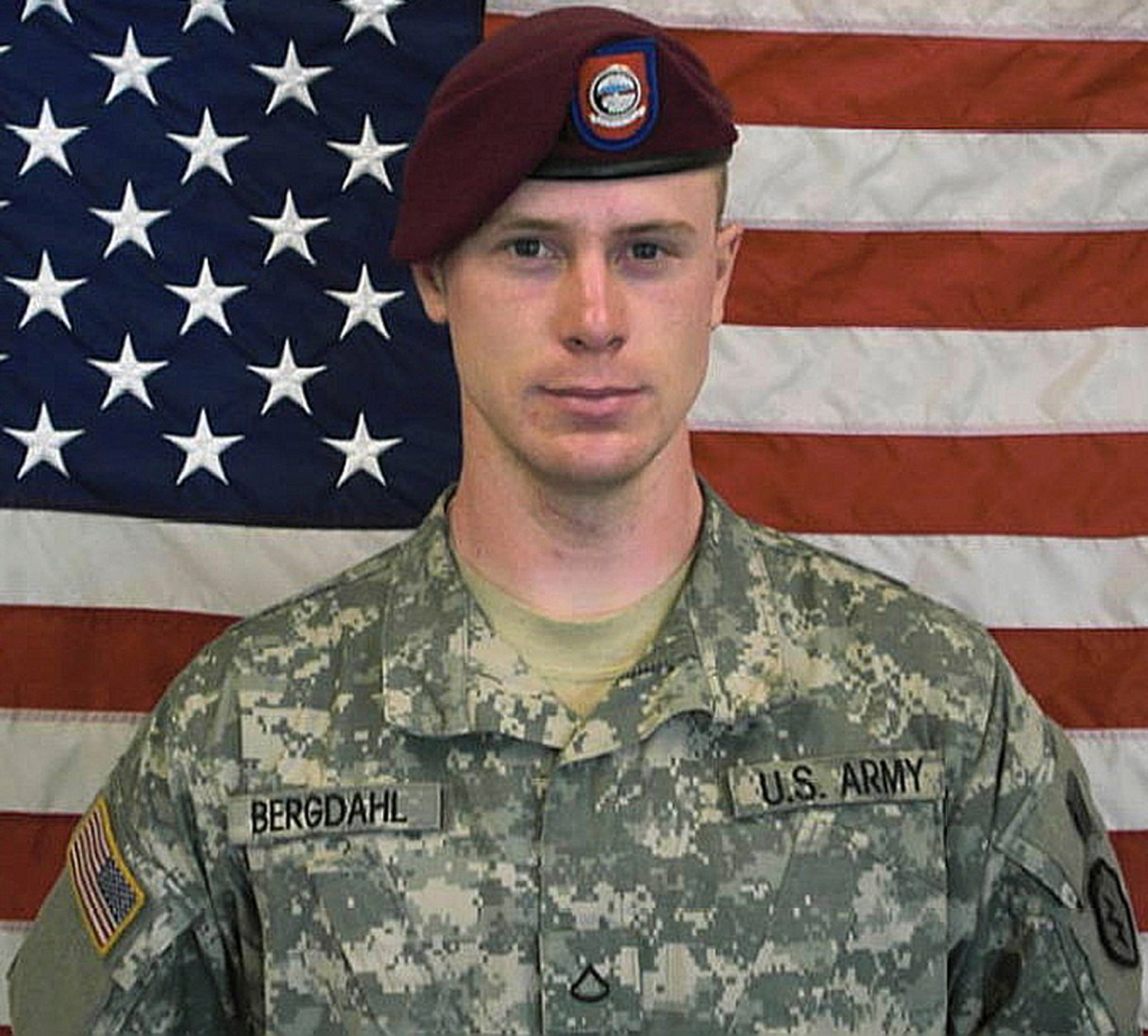
You know, it was where we learned that several politicians sent out tweets welcoming Sgt. Bowe Bergdahl home and calling him an American hero — only to suddenly delete those tweets when it emerged that Bergdahl may have deserted. A bit of whitewash going on?
And, though not an original revelation by Politwoops, just think: Anthony Weiner might still be a member of Congress had he not been caught sending photographs of himself in his underwear to someone on social media.
Politwoops, Sunlight’s project to collect and archive the occasional opps and pretty constant egomania of our politicians, is incredibly popular among journalists. It has tracked everything from typos and staff misfires to actual changes in position and occasionally wrongdoing. TIME Magazine named Politwoops one of the best websites of 2012.
Sunlight’s President Chris Gates, in a blog about Twitter’s decision to make it harder for real people to follow their politicians’ real thoughts, motives and mindsets, made note of the fact that — like it or not — public life is and should be public.
“What our elected officials say is a matter of public record, and Twitter is an increasingly important part of how our elected officials communicate with the public. This kind of dialogue between we the people and those who represent us is an important part of any democratic system. And even in the case of deleted tweets, it’s also a public part — these tweets are live and viewable by anyone on Twitter.com and other platforms for at least some amount of time,” Gates wrote Thursday in his online “Eulogy for Politwoops.”
“Unfortunately, Twitter’s decision to pull the deleted-tweets-gathering plug on Politwoops is a reminder of how the Internet isn’t truly a public square,” Gates continued. “Our shared conversations are increasingly taking place in privately owned and managed walled gardens, which means that the politics that occur in such conversations are subject to private rules. (In this case, Twitter’s terms of service for usage of its API [Application Programing Interfaces].)”
The Sunlight Foundation is a nonpartisan, nonprofit organization that advocates for open government globally and uses technology to make government more accountable. As such, Politwoops made political double-talk harder to hide.
And it’s not as though Twitter suddenly became aware of the site. Three years ago, Twitter and Sunlight came to an agreement about the journalistic judgments that would be used in publishing the deleted tweets. But now Twitter suddenly has decided to invoke the “expectation of user privacy.”
Seriously? For something intended to be sent out to as many followers as these politicians could possibly amass? By a business intended to gather as many users as it could possibly amass?
Whatever. Or as they say in Twitter-speak — WTV.
Then there’s transparency, Hamilton County style
On Thursday, just 24 hours after reportedly seeing Hamilton County Mayor Jim Coppinger’s proposed 2016 budget that includes a $644.4 million spending plan but does not include a called-for tax increase to support education or the customary $100,000-apiece annual set aside for commissioners to spend within their districts, none of the county’s nine commissioners had any public questions for the mayor.
Actually, one commissioner tried to ask a fairly routine question, but he was shut down by Chairman Jim Fields who later told Times Free Press Reporter Louie Brogdon: “The questions can happen on June 17 when we vote.”
For the purposes of John and Jane Q. Public, that means questions, negotiating and ironing out of details in this budget — our money — will happen outside the public ear. At best, it means such questions will occur publicly only minutes before a vote is taken, and thus are virtually assured of not receiving any additional input from John and Jane out there in the real world.
It’s a good bet that almost every county resident has questions and concerns they would like to see discussed. But our elected officials did not. At least not publicly.
Outside the public view, they’ve lamented to our reporter that they want their discretionary money back to spend in their districts “for schools.” Never mind that if they want to propose a resolution for spending in their school district they can do so at any time publicly during a commission meeting. They then could discuss it and vote.
Oh, but wait. That would require publicly discussing something in front of constituents in an open meeting. Instead, they’ve been mum — at least in public.
Does this sound normal? Does it seem like good government?
Of course not.