
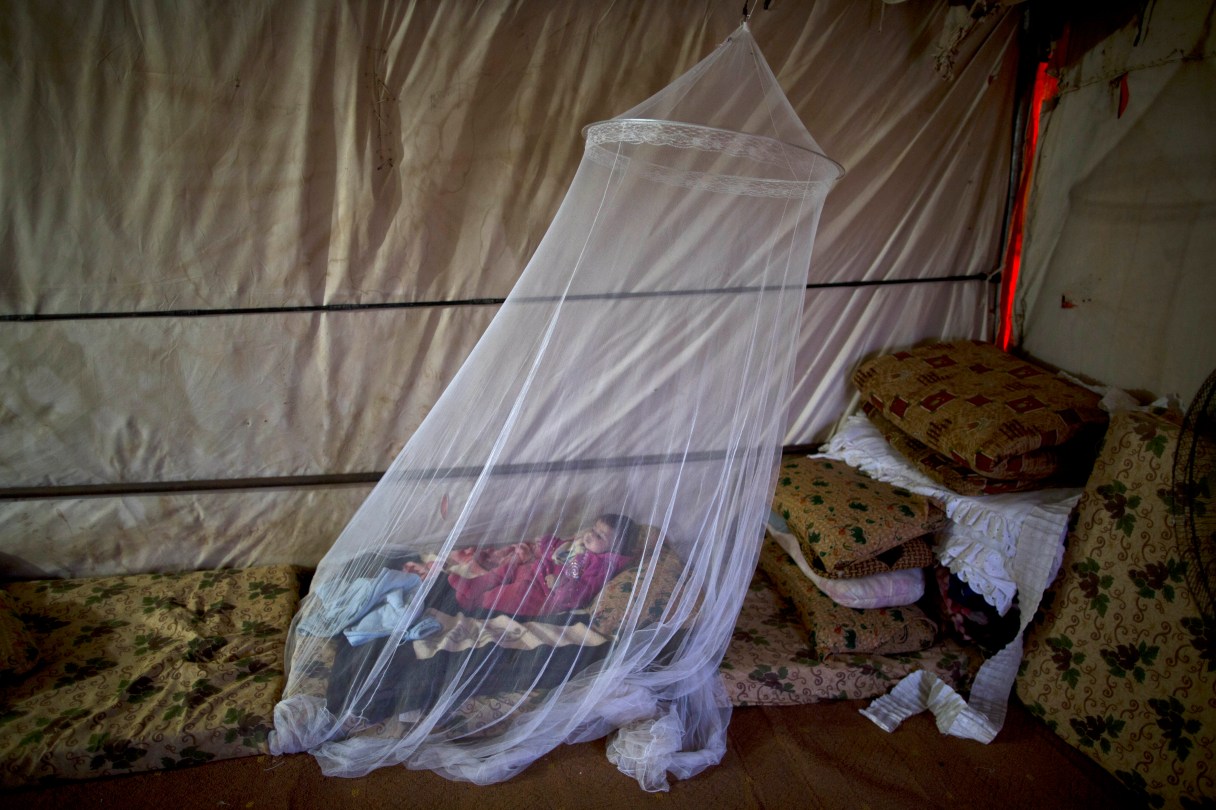
AMMAN, Jordan (AP) – Bold new ideas for helping Syrian refugees and their overburdened Middle Eastern host countries are gaining traction among international donors, shocked into action by this year’s migration of hundreds of thousands of desperate Syrians to Europe.
Rather than struggling to gather humanitarian aid for refugees, the plans center around investing billions of dollars, much of it to be raised on financial markets. The money would go for development in countries such as Jordan and Lebanon to improve lives for both their own populations and refugees.
More controversial is a demand by some in the aid community that, in return for such a “Mideast Marshall Plan,” Jordan and Lebanon must allow Syrian refugees to work, integrating them more into society. The host countries, however, point to high domestic unemployment in arguing they cannot put large numbers of refugees to work legally.
“We need to be ambitious,” the regional chief of the World Bank, Ferid Belhaj, told The Associated Press. “Development is the key.”
The need for alternative plans may have become more urgent, with the Paris terror attacks further heating the debate over Europe’s immigration policy. A Syrian passport, processed in Greece and registered in the Balkan countries, was found near one of the Paris suicide bombers, raising the possibility one of the assailants may have crossed into Europe with refugees fleeing Syria.