
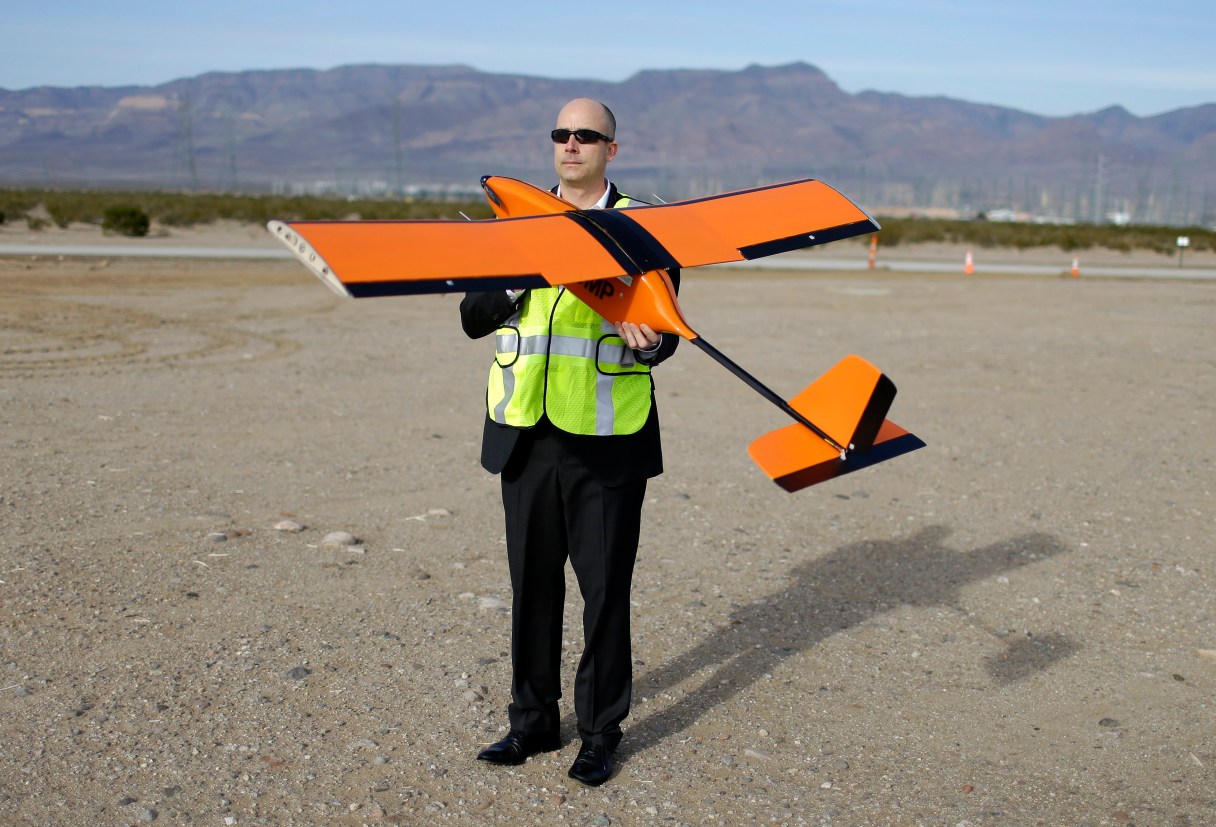
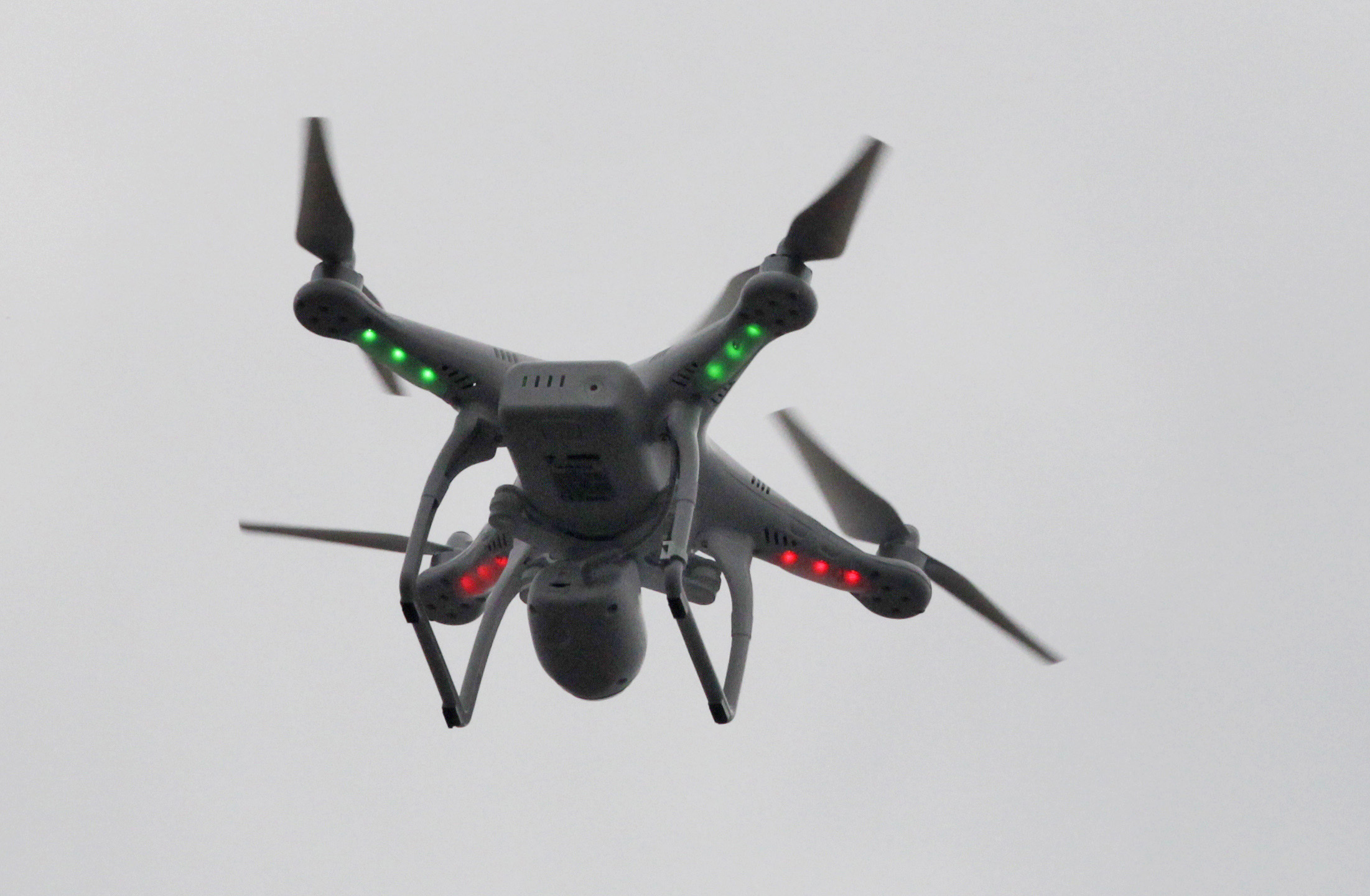
 FILE – I this March 12, 2014 file photo, a drone flown by Brian Wilson, prepares to land after flying over the scene of an explosion that leveled two apartment buildings in the East Harlem neighborhood of New York. Americans are deeply skeptical that the benefits of the heralded drone revolution will outweigh the risks to privacy and safety, although a majority approve of using small, unmanned aircraft in dangerous jobs or remote areas, according to a new Associated Press-GfK opinion poll. By a 2-to-1 margin, those polled said they oppose allowing use drones for commercial purposes. Only 21 percent favor commercial use of drones, while 43 percent oppose it. Another 35 percent were in the middle. (AP Photo/Mark Lennihan, File)
Federal aviation officials, battered by complaints that bureaucratic hurdles are preventing industry from realizing the economic benefits of drones, announced Tuesday they are streamlining rules to expedite permits to fly small, commercial unmanned aircraft.
The Federal Aviation Administration made the announcement an hour before a congressional hearing at which an Amazon.com executive complained that the agency took too long to approve a request to flight test a delivery drone. The model of drone was already obsolete when the request was finally granted last week.
Drone industry officials have complained that FAA’s restrictions on testing are forcing U.S. companies to do their testing overseas and giving foreign competitors a leg up.
“We don’t test it anymore. We’ve moved on to more advanced designs that we already are testing abroad,” said Paul Misener, Amazon’s vice president for global public policy at a hearing of the Senate Commerce, Science and Technology’s aviation subcommittee.
Amazon submitted a new request to the FAA last Friday — the day after the previous request was granted — for permission to test fly a more advanced drone, Misener said. “We are hopeful that this permission will be granted quickly,” he said.