
Sunday, November 1, 2026Nov 1

This story is free to read.

Tiny filaments, tubes proposed as Earth’s earliest fossils

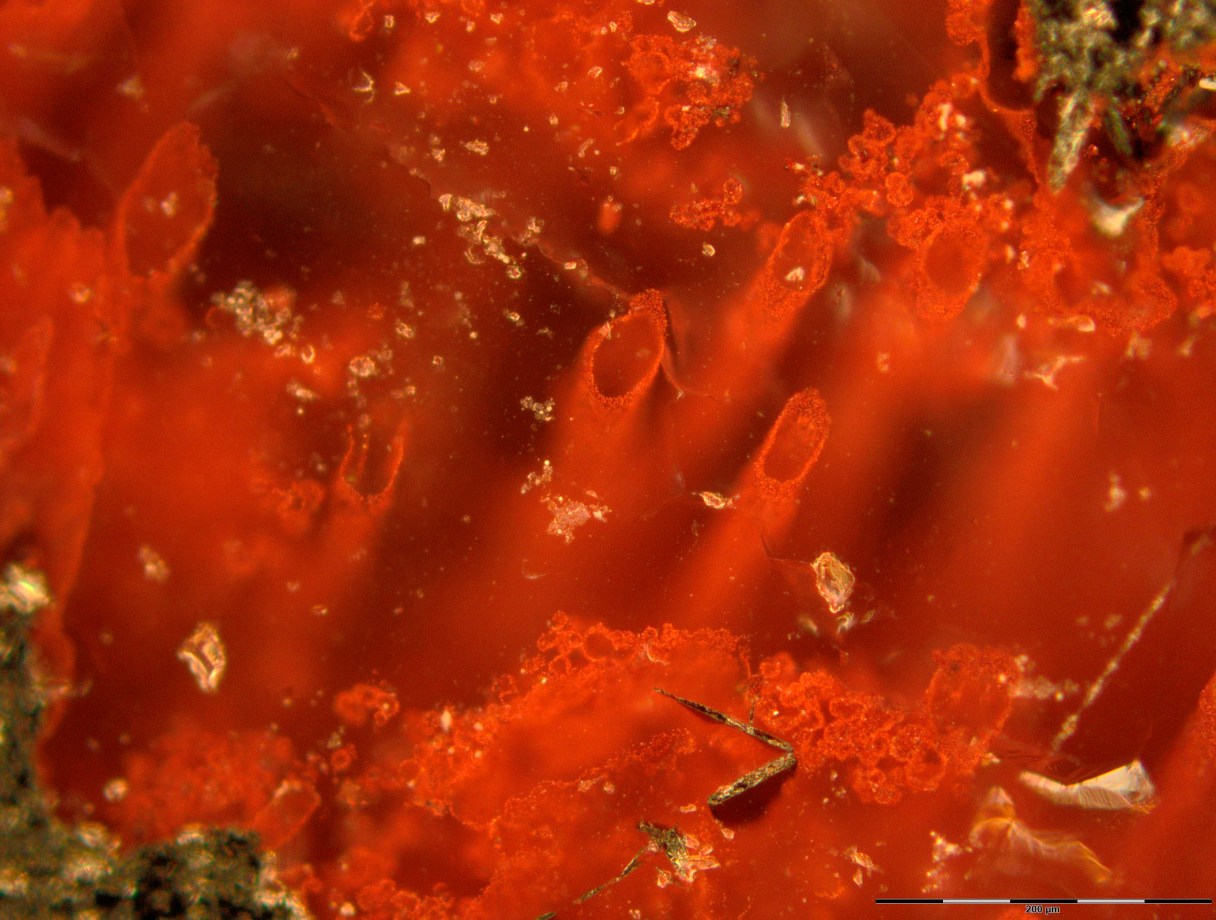
This microscope image made available by Matthew Dodd in February 2017 shows tiny tubes in rock found in Quebec, Canada. The structures appear to be the oldest known fossils, giving new support to some ideas about how life began, a new study says. (Matthew Dodd via AP)
This microscope image made available by Matthew Dodd in February 2017 shows tiny tubes in rock found in Quebec, Canada. The structures appear to be the oldest known fossils, giving new support to some ideas about how life began, a new study says. (Matthew Dodd via AP) This microscope image made available by Matthew Dodd in February 2017 shows tiny tubes in rock found in Quebec, Canada. The structures appear to be the oldest known fossils, giving new support to some ideas about how life began, a new study says. (Matthew Dodd via AP)

NEW YORK (AP) – Tiny tubes and filaments in some Canadian rock may be the oldest known fossils.

Scientists say they are mineralized remains of what appear to be bacteria that lived some 3.77 billion to 4.28 billion years ago. That’s older than the 3.7 billion years assigned to some other rock features found in Greenland, which were proposed to be fossils last August.

In a study published Wednesday by the journal Nature, scientists say the finding supports the idea that life may have begun near undersea vents where water was heated by a volcano.

However, some experts were not convinced that the filaments and tubes were really fossils, rather than just the consequences of geological processes.