
Friday, October 30, 2026Oct 30

This story is free to read.

FCC moves to increase the use of technology for blocking robocalls

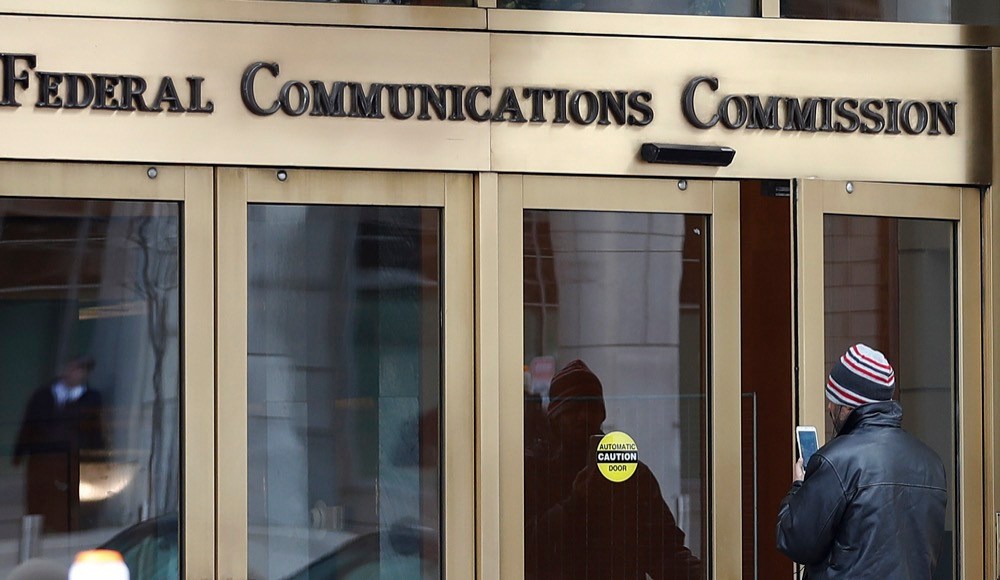
FILE - In this Thursday, Dec. 14, 2017, file photo, a person with a smartphone enters the Federal Communications Commission building in Washington. Tech companies and nearly two dozen U.S. states clashed with the government in federal court Friday, Feb. 1, 2019, over the repeal of net neutrality, a set of Obama-era rules aimed at preventing big internet providers from discriminating against certain technology and services. The action rolling back the neutrality rules "is a stab in the heart of the Communications Act," said attorney Pantelis Michalopoulos, referring to the Depression-era law that established the FCC. (AP Photo/Carolyn Kaster, File)
FILE - In this Thursday, Dec. 14, 2017, file photo, a person with a smartphone enters the Federal Communications Commission building in Washington. Tech companies and nearly two dozen U.S. states clashed with the government in federal court Friday, Feb. 1, 2019, over the repeal of net neutrality, a set of Obama-era rules aimed at preventing big internet providers from discriminating against certain technology and services. The action rolling back the neutrality rules "is a stab in the heart of the Communications Act," said attorney Pantelis Michalopoulos, referring to the Depression-era law that established the FCC. (AP Photo/Carolyn Kaster, File) FILE - In this Thursday, Dec. 14, 2017, file photo, a person with a smartphone enters the Federal Communications Commission building in Washington. Tech companies and nearly two dozen U.S. states clashed with the government in federal court Friday, Feb. 1, 2019, over the repeal of net neutrality, a set of Obama-era rules aimed at preventing big internet providers from discriminating against certain technology and services. The action rolling back the neutrality rules "is a stab in the heart of the Communications Act," said attorney Pantelis Michalopoulos, referring to the Depression-era law that established the FCC. (AP Photo/Carolyn Kaster, File)

WASHINGTON – The chairman of the Federal Communications Commission has repeatedly said that ending the scourge of robocalls is a top priority. On Wednesday, he announced plans for the most aggressive action yet toward achieving that goal.

The chairman, Ajit Pai, proposed a rule that would empower mobile phone carriers to automatically block the unwanted calls, which often involve scams, by employing tools that filtered out calls from unidentified or unwanted callers.

The action would not stop all robocalls. The blocking technology can already be installed by consumers, and scammers have found some ways around it.

But the proposal could lead to wider use of the technology, which stops calls from numbers that do not appear on lists of numbers known to be legitimate.

“The American people are fed up with illegal robocalls,” Pai said in a call with reporters. “We need to make it easier for phone companies to block these robocalls.”