
Monday, November 16, 2026Nov 16

Drug epidemic stalls HIV decline in whites who shoot up

FILE - In this March 24, 2015 file photo, a syringe is pictured along West Main Street in downtown Austin, Ind., in Scott County, Ind. The long decline in HIV infections among white people who inject drugs has stalled, another grim side effect of the nation’s drug abuse epidemic. Health officials released the news Tuesday, Nov. 29, 2016, as part of a call for more use of needle exchange programs. Last year rural Scott County experienced an HIV outbreak, in which more than 100 injection drug users were infected. The state’s governor at the time - Mike Pence, now the vice president-elect - declared a public health emergency and authorized a limited need-exchange program to prevent the virus from spreading further. (Christopher Fryer  /News and Tribune via AP, File)
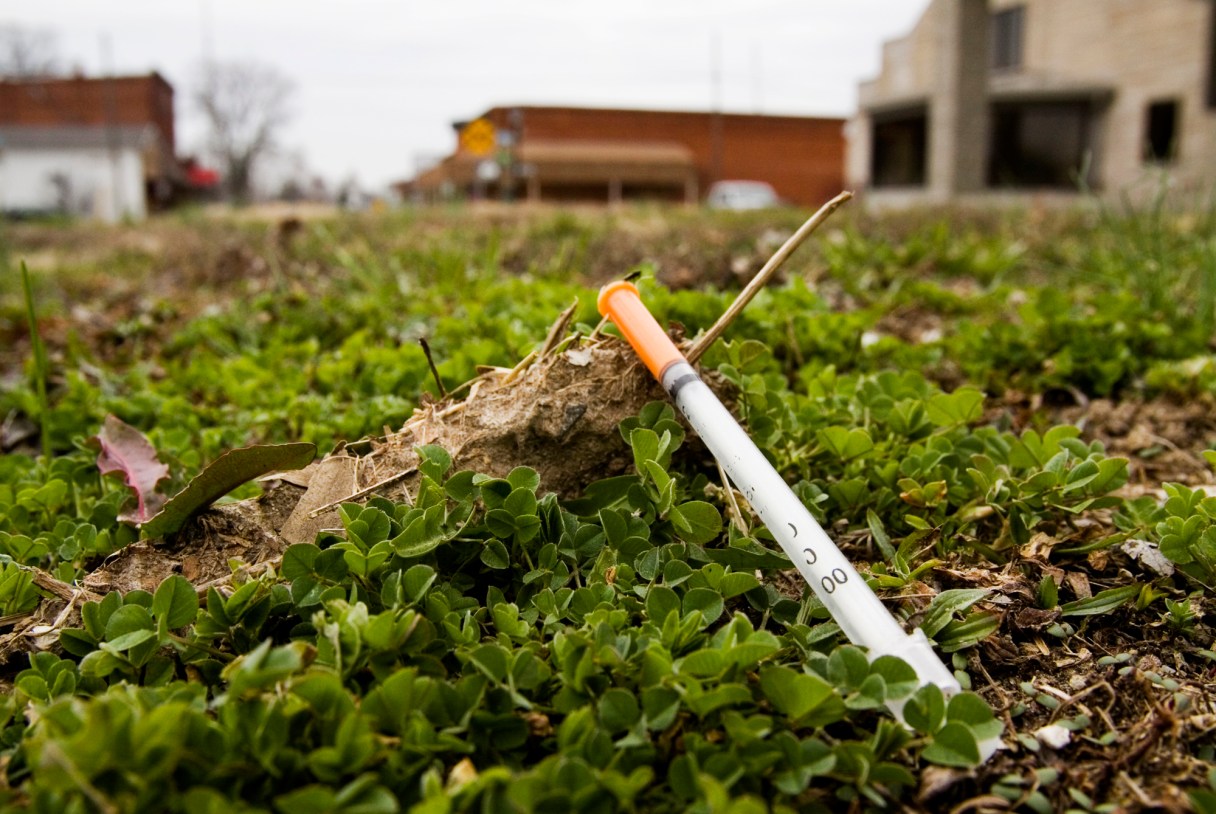
FILE - In this March 24, 2015 file photo, a syringe is pictured along West Main Street in downtown Austin, Ind., in Scott County, Ind. The long decline in HIV infections among white people who inject drugs has stalled, another grim side effect of the nation’s drug abuse epidemic. Health officials released the news Tuesday, Nov. 29, 2016, as part of a call for more use of needle exchange programs. Last year rural Scott County experienced an HIV outbreak, in which more than 100 injection drug users were infected. The state’s governor at the time - Mike Pence, now the vice president-elect - declared a public health emergency and authorized a limited need-exchange program to prevent the virus from spreading further. (Christopher Fryer /News and Tribune via AP, File)

NEW YORK (AP) – The long decline in HIV infections among white people who inject drugs has stalled, another grim side effect of the nation’s drug abuse epidemic.

Health officials released the news Tuesday, as part of a call for more use of needle exchange programs.

“We really risk stalling or reversing decades of progress on HIV transmission,” said Dr. Tom Frieden, director of the Centers for Disease Control and Prevention.

The report comes as the nation is facing an ongoing epidemic of opioid and heroin use that has led to an increase in drug overdose deaths, particularly among white people. The increase in drug abuse is also hampering efforts to slow diseases carried in the blood that can be spread when injection drug users share needles.

The CDC previously reported a rise in new hepatitis C infections, which is tied largely to injection drugs.