
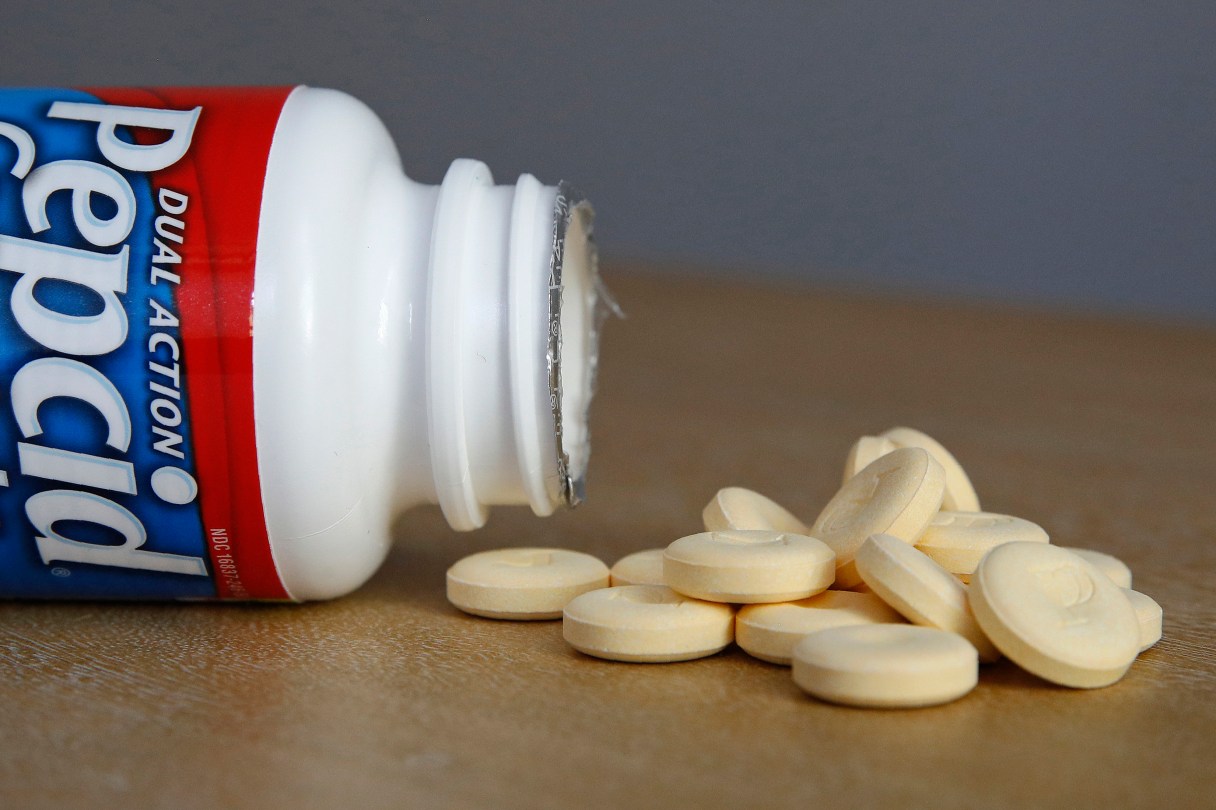
As the coronavirus began its deadly march through the world, two well-respected American doctors identified a possible but seemingly unlikely remedy: Pepcid, the heartburn medication found on drugstore shelves everywhere.
There were no published data or studies to suggest that famotidine, the active ingredient in Pepcid, would be effective against the novel coronavirus.
And in early April, when government scientists learned of a proposal to spend millions in federal research funding to study Pepcid, they found it laughable, according to interviews, a whistleblower complaint and internal government records obtained by The Associated Press.
But that didn’t stop the Trump administration from granting a $21 million emergency contract to researchers trying it out on ailing patients. The Food and Drug Administration gave the clinical trial speedy approval even as a top agency official worried that the proposed daily injections of high doses of famotidine for already sick patients pushed safety “to the limits,” internal government emails show.
That contract is now under scrutiny after a government whistleblower accused a senior administration official of rushing the deal through without the scientific oversight necessary for such a large federal award. And the doctors who initially promoted the Pepcid idea are locked in a battle for credit and sniping over allegations of scientific misconduct.