
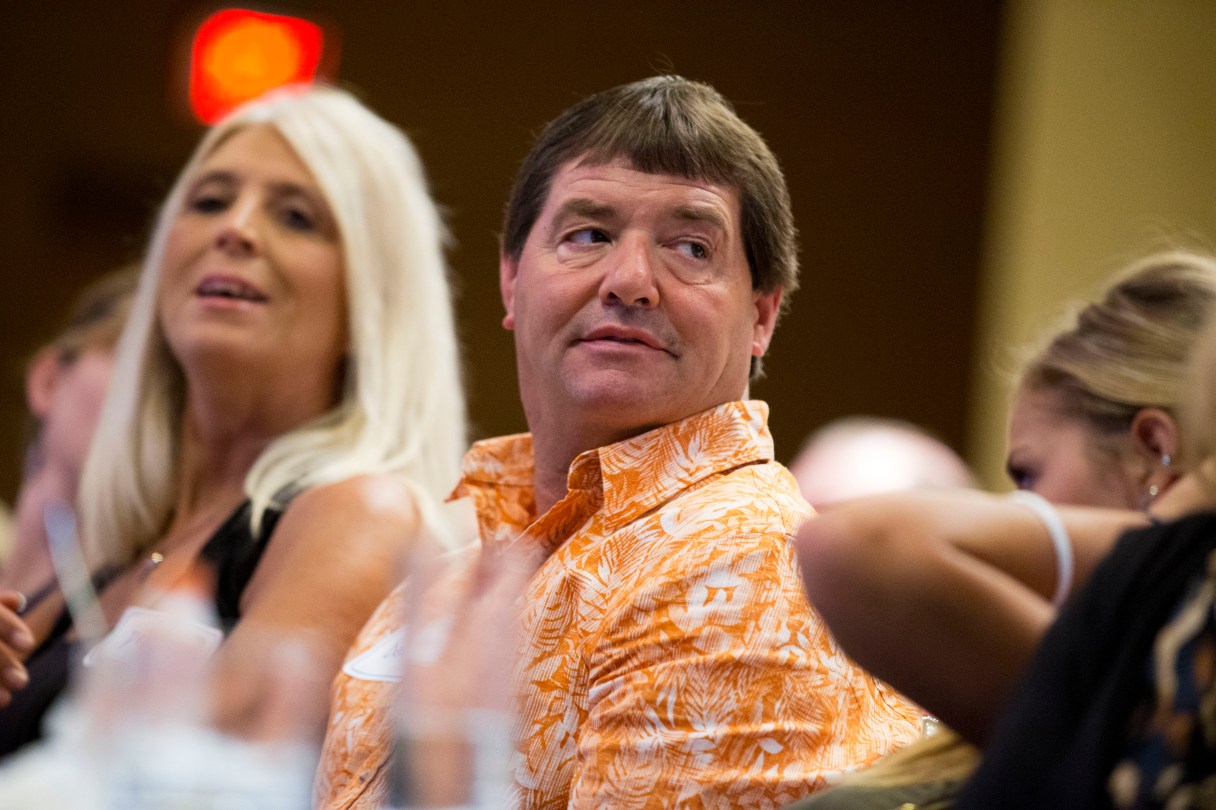
WASHINGTON (AP) – Alzheimer’s has ravaged generations of Dean DeMoe’s family – his grandmother, father, siblings – all in their 40s and 50s.
DeMoe himself inherited the culprit gene mutation and at 53, the North Dakota man volunteers for a drug study he hopes one day will end the family’s burden.
International scientists gathering in Washington for a conference this week express cautious optimism that they may finally be on the right track to fight Alzheimer’s, a disease that already affects more than 5 million people in the United States and is expected to more than double by 2050 as the population ages.
Families like DeMoe’s with the very rarest form of Alzheimer’s, young and inherited, hold crucial clues to fighting this brain-destroying disease in everyone.
On Saturday, researchers for the first time brought together dozens of these families – patients, patients-to-be and their healthy loved ones – from as far as Australia and Britain to meet face to face. They shared advice about when their children should undergo gene testing to learn their own fate, and they got an unusual opportunity to grill government and drug company officials about why it’s taking so long to find a good treatment.