
BANGKOK (AP) – The army takeover in Myanmar a year ago that ousted Aung San Suu Kyi not only unexpectedly aborted the country’s fledgling return to democracy. It also brought a surprising level of popular resistance, which has blossomed into a low-level but persistent insurgency.
Senior Gen. Min Aung Hlaing, the commander of Myanmar’s military – known as the Tatmadaw – seized power on the morning of Feb. 1, 2021, arresting Suu Kyi and top members of her government and ruling National League for Democracy party, which won a landslide election victory in November 2020.
The military’s use of deadly force to hold on to power has escalated conflict with its civilian opponents to the point that some experts describe the country as being in a state of civil war.
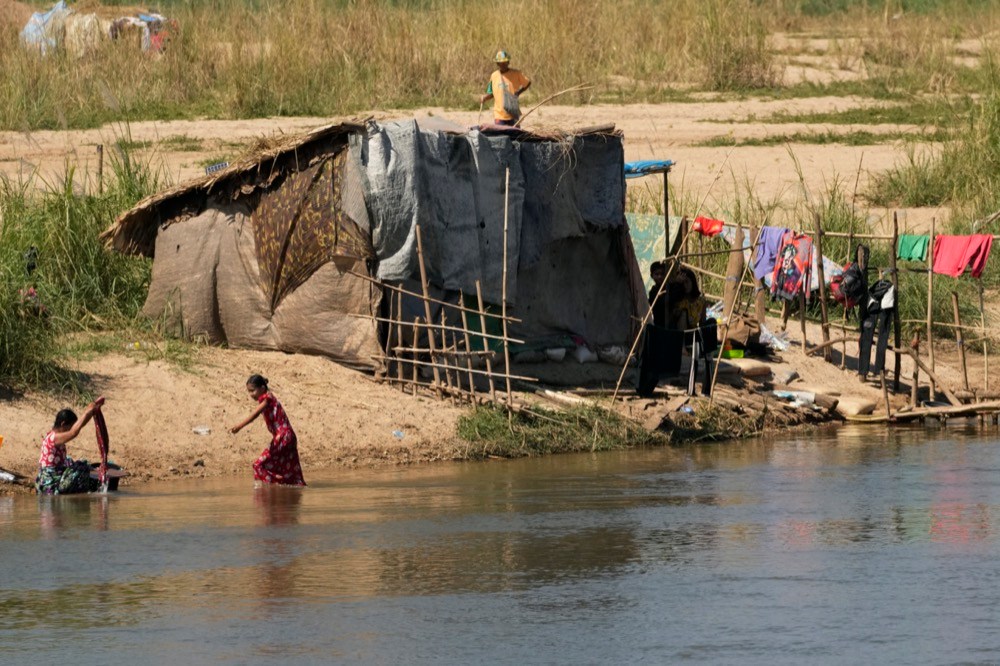
The costs have been high, with some 1,500 people killed by the security forces, almost 8,800 detained, an unknown number tortured and disappeared, and more than 300,000 displaced as the military razes villages to root out resistance.
Other consequences are also significant. Civil disobedience hampered transport, banking services and government agencies, slowing an economy already reeling from the coronavirus pandemic. The public health system collapsed, leaving the fight against COVID-19 abandoned for months. Higher education stalled as faculty and students sympathetic to the revolt boycotted school, or were arrested.