
Wednesday, November 4, 2026Nov 4

This story is free to read.

Merck says new type of cholesterol drug worked in big study

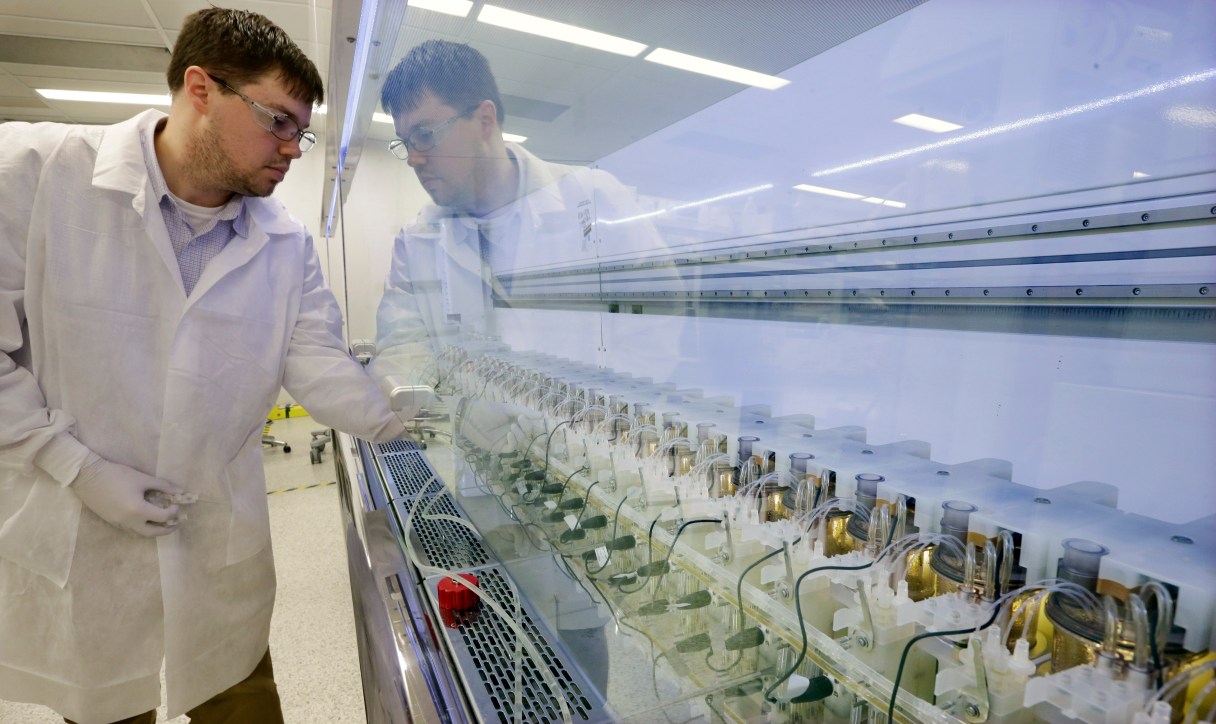
FILE - In this Thursday, Dec.18, 2014, file photograph, scientist Christopher Kistler checks on experiments in AMBR250 bio-reactors in a laboratory at the Merck company facilities in Kenilworth, N.J. The bio-reactors allow a large number of experiments to be done in the lab at the same time. On Tuesday, June 27, 2017, Merck & Co. said a new type of cholesterol drug, in testing for many years, reduced heart attacks, deaths and other complications of heart disease in a huge late-stage study. (AP Photo/Mel Evans, File)
FILE - In this Thursday, Dec.18, 2014, file photograph, scientist Christopher Kistler checks on experiments in AMBR250 bio-reactors in a laboratory at the Merck company facilities in Kenilworth, N.J. The bio-reactors allow a large number of experiments to be done in the lab at the same time. On Tuesday, June 27, 2017, Merck & Co. said a new type of cholesterol drug, in testing for many years, reduced heart attacks, deaths and other complications of heart disease in a huge late-stage study. (AP Photo/Mel Evans, File) FILE - In this Thursday, Dec.18, 2014, file photograph, scientist Christopher Kistler checks on experiments in AMBR250 bio-reactors in a laboratory at the Merck company facilities in Kenilworth, N.J. The bio-reactors allow a large number of experiments to be done in the lab at the same time. On Tuesday, June 27, 2017, Merck & Co. said a new type of cholesterol drug, in testing for many years, reduced heart attacks, deaths and other complications of heart disease in a huge late-stage study. (AP Photo/Mel Evans, File)

KENILWORTH, N.J. (AP) – Merck & Co. says a new type of cholesterol drug reduced heart attacks, deaths and other complications of heart disease in a huge, late-stage study.

The positive result announced Tuesday was a surprise. Three major drugmakers – Pfizer, Eli Lilly and Roche – have each seen promising drugs of the same type fail after many years and millions of dollars spent on testing.

Merck tested the medicine, anacetrapib (an’uh-SET’-trah-pib), in a study including 30,000 people.

The Kenilworth, New Jersey-based company said it won’t release detailed results until a medical conference in August. That’s standard practice, but Merck raised questions about how well the medicine works by noting the company will consult with outside experts before deciding whether to seek regulatory approval to sell the drug.