
Monday, November 16, 2026Nov 16

From lashes to death: Artist caught in tangles of Saudi law

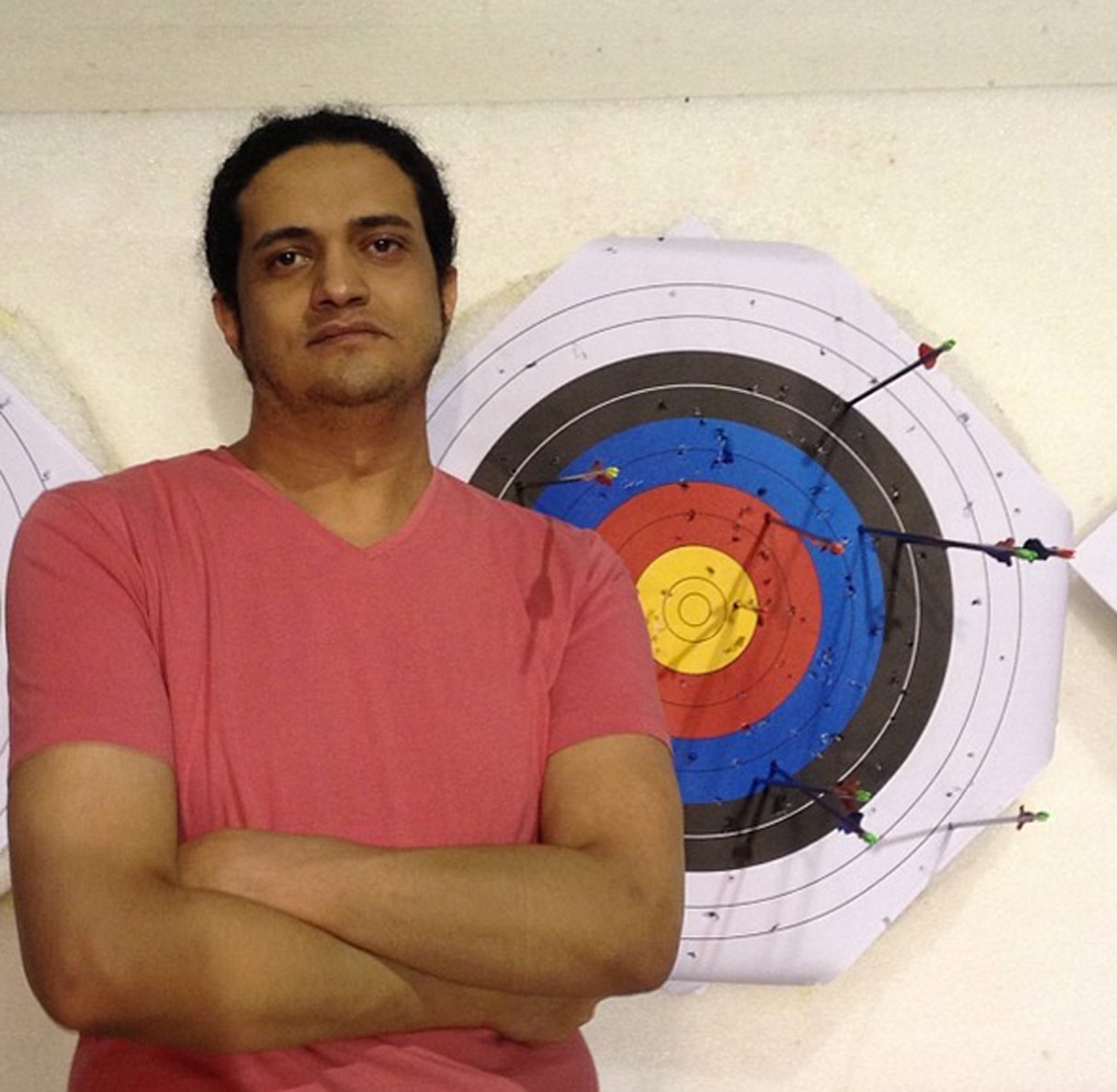
In this undated photo posted on the Instagram account of Ashraf Fayadh, Palestinian artist Ashraf Fayadh poses for a picture. When Fayadh was tried last year on blasphemy-related charges, the Saudi judges overseeing the case rejected the prosecution’s request for a death sentence for apostasy. Instead, he was sentenced to 800 lashes and four years in prison. After an appeal, this time with a different lead judge, threw out critical witness testimony and sentenced the artist to death. Fayadh’s case exemplifies the ways in which Shariah law in Saudi Arabia bends under the whim of judges, leading to vastly different punishments and unexpected outcomes. (Instagram account of Ashraf Fayadh via AP)

DUBAI, United Arab Emirates (AP) – When Palestinian artist Ashraf Fayadh was tried last year on blasphemy-related charges, the Saudi judges overseeing the case rejected the prosecution’s request for a death sentence for apostasy. Instead, he was sentenced to 800 lashes and four years in prison over a book of poetry he wrote and for allegedly having illicit relations with women.

An appeal was filed and the case was sent back to the lower court, but this time around judges threw out defense witness testimony, refused to accept Fayadh’s repentance and on Nov. 17 sentenced him to execution for apostasy.

His friends are now asking how the case could draw such different verdicts, especially when, according to U.S.-based Human Rights Watch, two of the three judges in the original case also served in the retrial.

The case illustrates how courts in Saudi Arabia can issue vastly different punishments based on how judges interpret Islamic Shariah law, a system derived from scholarly interpretations of the Quran and verified and documented rulings and sayings of the Prophet Muhammad.

According to Human Rights Watch, which is closely monitoring the case, Fayadh was charged with blasphemy, spreading atheism and having an illicit relationship with women, based on pictures found on his phone. He told the court the pictures were of women he had met at an art gallery.