
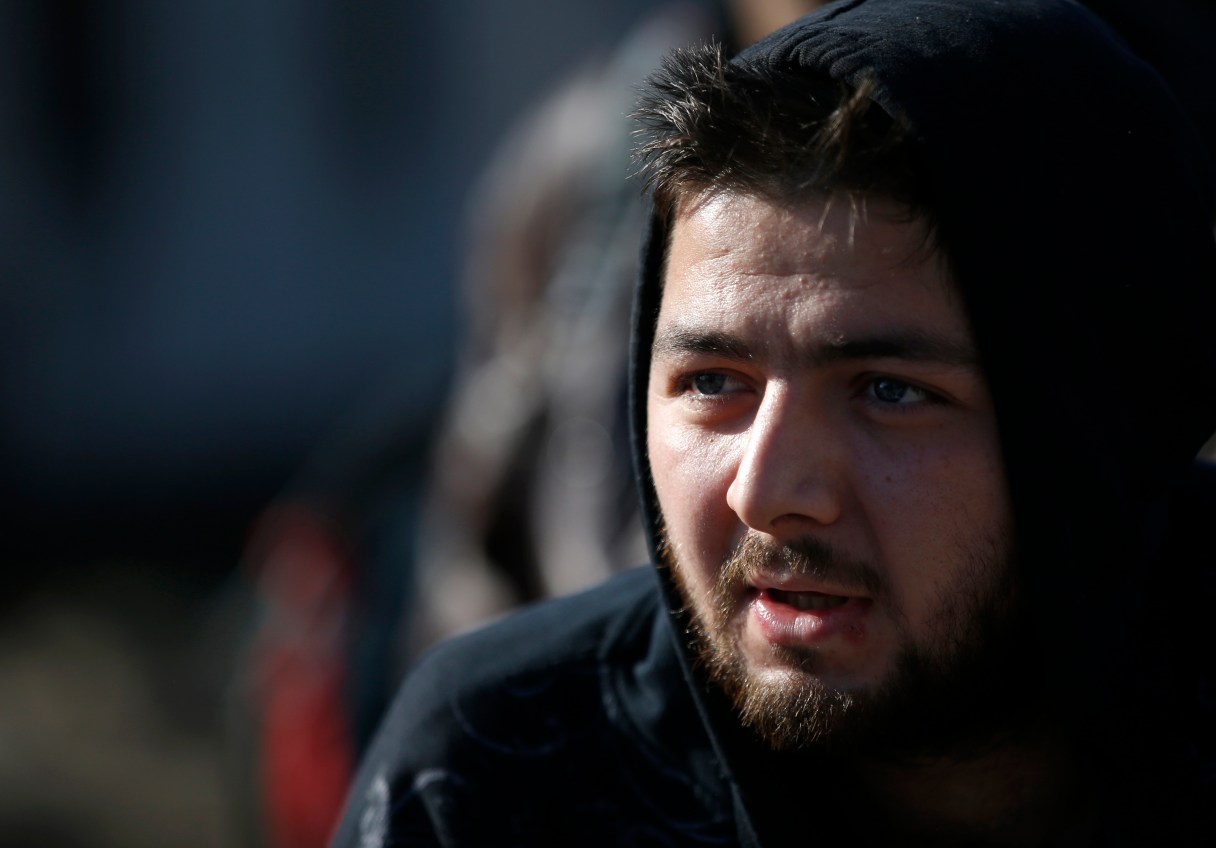
PRESEVO, Serbia (AP) – At the tender age of 16, Ahmad Fawad has three fears: He fears the Taliban gunmen who killed his family members in Afghanistan. He fears that once-welcoming European countries are shutting the doors after the carnage in Paris. And he fears that the very extremists who attacked his family at home are moving alongside him in the flow of humanity bound for Europe.
As four Balkan nations launched partial border closures Thursday, Fawad’s concerns were echoed along the trail that has brought hundreds of thousands of people fleeing war and poverty into Europe this year. Migrants interviewed by The Associated Press voiced sympathy for the 129 victims of the Paris attacks along with hope that European nations won’t let fear of extremists change their own societies.
They also joined calls for Europe to make a better effort to weed out potential extremists within the refugee ranks, so that the door is left open only for those in need of help.
But already Thursday, signs emerged that countries in Europe are rethinking their refugee policies. Serbia, Croatia, Slovenia and Macedonia shut their borders to people coming from countries not at war – such as Sri Lanka, Pakistan and Iran – and left them open only to refugees from war-torn countries, primarily Syria, Iraq and Afghanistan.
The overnight decision may reflect the beginning of a broader anti-migrant backlash following evidence that emerged from the Paris attacks that militants may have come in among the flow of refugees.