
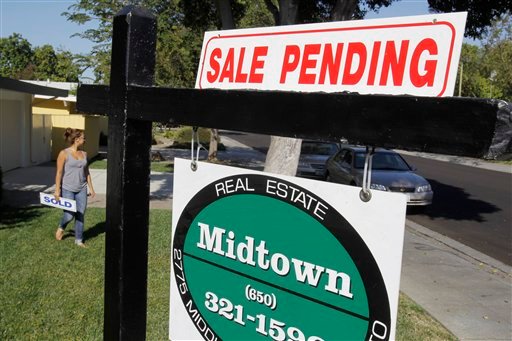
Home ownership is often viewed as one of the pillars of self-sufficiency.
But the mortgage meltdown and resulting Great Recession is giving today’s young adults pause. With millions of American homes in foreclosure, renting may soon be back in style.
“There’s nothing inherently wrong with renting,” said Chris Hopkins, vice president of investments at Barnett & Company Inc. here. “Everyone doesn’t need to own a house.”
If, however, one decides to go forward with home-ownership, here are some questions to ask yourself.
1: What’s my credit score? The first step to acquiring a mortgage loan is to have a good credit score, generally above 620, experts say. A loan specialist at a bank or mortgage company will examine a client’s debt-to-income ratio, employment history, available cash for down payment and desired monthly payment amount to help him or her determine what type of loan is appropriate. “Loan agencies are looking for somebody who has demonstrated an ability and a willingness to make payments,” said Karen Flores, a mortgage loan specialist at Cornerstone Bank.
2: Is my job stable? Hopkins attributes a portion of the unemployment crisis to mortgages that keep people tied down. “Some people are stuck in one place because they can’t expand their job search outside the area,” he said. If rumors of layoffs abound in you workplace – or one is considering quitting a job and has no suitable prospects in the immediate area – investing in a home might be a poor choice.
3: How much do I need for a down payment? According to the website of Federal mortgage agency Fannie Mae, “a down payment of 20 percent or more of the home purchase price demonstrates your commitment to long-term homeownership and provides you with immediate equity in a new home.” No-money-down mortgages are now considered one of the reckless lending practices that led to the financial crisis. A 20 percent down payment also allows the new homeower to avoid private mortgage insurance.
4: What do I really need in a house? Realtor Andy Hodes of Keller Williams said he has clients separate their wants and needs. “We try to divide the things you absolutely have to have,” he said. “If you can’t walk up stairs, you need everything on the main level.
“Then there are the things that it would be nice to have. It would be nice to have a walk-in pantry [for example],” he said.
5Am I ready to take on the burden of owning a house? Ownership brings certain responsibilities that do not befall a tenant. When the water heater breaks, there’s no landlord to call. “When you sign that mortgage document,” said Flores, “there’s a toss-up: Do you own the house or does the house own you?”
6: What mortgage payment can I afford? “You know what your lifestyle is and how you budget your income,” Flores said. “If you are someone who leads a very simple life, maybe you can afford a higher house payment than somebody who likes to travel.” Take into account not only monthly mortgage payments, but also the cost of upkeep. Be realistic about what you can afford. “Too many people fall victim to letting their desires get the best of them,” said Hopkins, “and they bite off more than they can chew.” He advises devoting no more than one-third of net income to mortgage payments.
7: Why do I want to buy a house? “We’ve been conditioned to think of a house as an investment,” Hopkins said. He advises letting go of this conditioning. Depending on increasing home values is no longer a smart bet. “We can’t count on real estate prices going up,” Hopkins said. “Don’t think of a house as an investment. Think of it as shelter.”
8: What’s my five-year plan? Hodes advises planning on living in the house a minimum of three to five years. A childless couple who plans to have three kids and bring an aging parent to live with them in the next several years might want to consider renting until they can afford a house to accommodate a future family, rather than planning to make two purchases in the course of a few years.