
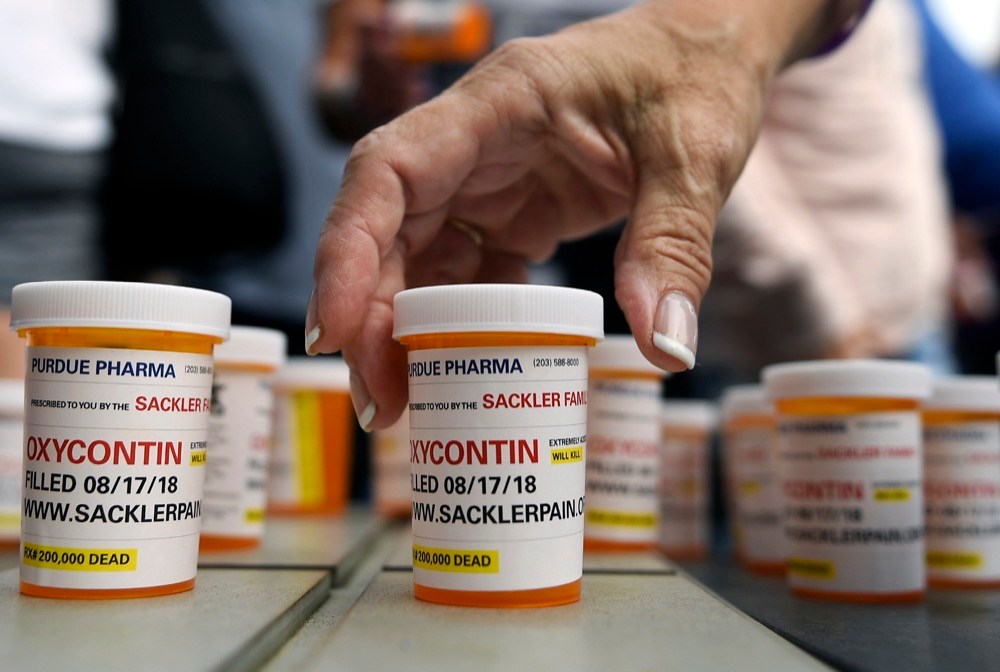
NEW YORK (AP) – New York is suing the billionaire family behind the company that created OxyContin, joining a growing list of state and local governments seeking to hold not only the firm but its owners accountable for the nation’s opioid crisis.
The state, which averages nine opioid-related deaths per day, on Thursday expanded an existing lawsuit against pill maker Purdue Pharma to add members of its controlling Sackler family as defendants. Five other companies that produce opioid painkillers and four drug distributors, which buy medications in bulk and sell them to pharmacies, were also added as defendants.
“This is an extensive lawsuit that leaves no stone unturned,” New York Attorney General Letitia James, a Democrat, said at a news conference.
While other states and localities have filed similar suits, New York is taking some novel approaches, such as seeking to bar the companies from marketing and distributing painkillers in New York unless they abide by strict safeguards.
The suit claims drug manufacturers collaborated to falsely deny the serious risks of opioid addiction, and it accuses drug distributors of skirting systems meant to limit orders for painkillers. Distributors even helped pharmacies game the system to evade the caps, the lawsuit alleges.