
Monday, November 16, 2026Nov 16

Approaching health law tax is not just a levy on luxury

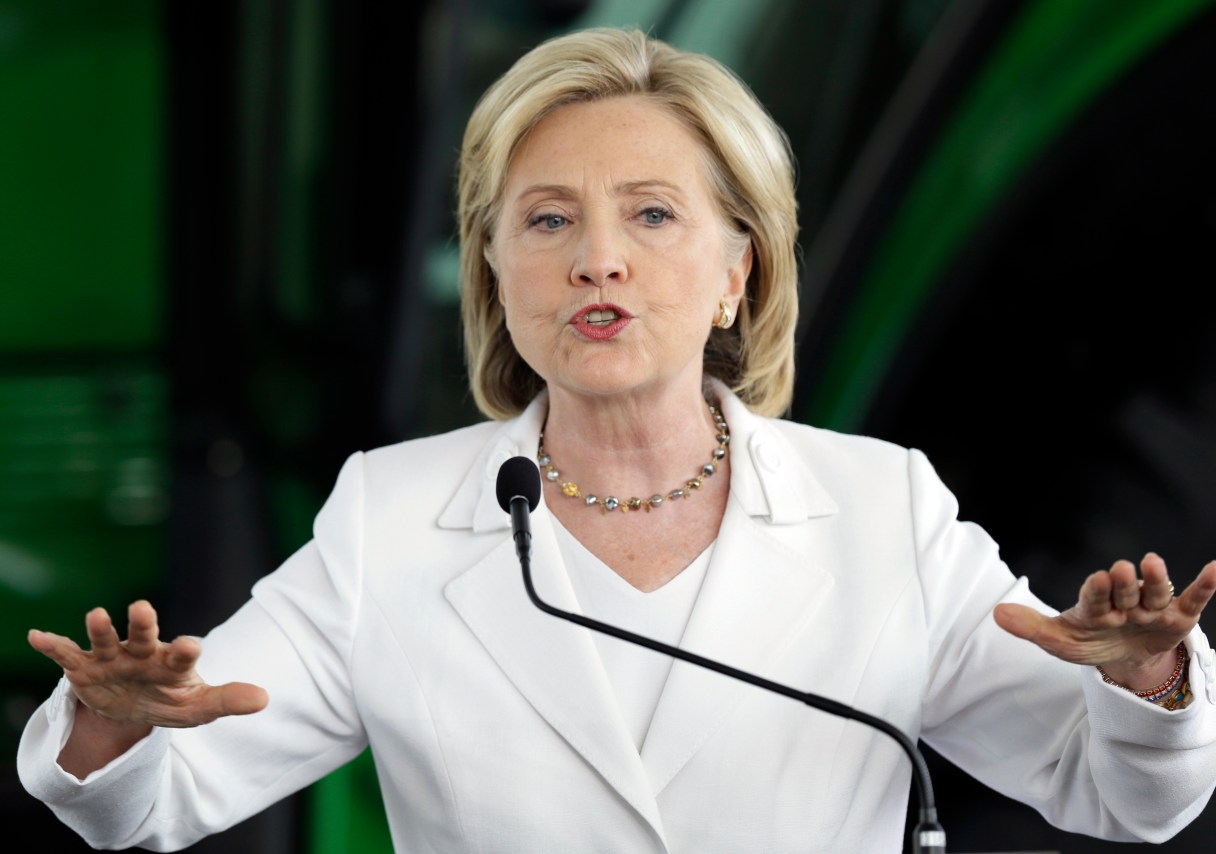
FILE - In this Aug. 26, 2015 file photo, Democratic presidential candidate Hillary Rodham Clinton speaks in Ankeny, Iowa. The last major piece of President Barack Obama’s health care law could raise costs for thrifty consumers as well as large corporations and union members. Some Republicans in Congress are calling for repealing the tax. Clinton says she’s concerned it will shift more costs to workers.  (AP Photo/Charlie Neibergall, File)
FILE - In this Aug. 26, 2015 file photo, Democratic presidential candidate Hillary Rodham Clinton speaks in Ankeny, Iowa. The last major piece of President Barack Obama’s health care law could raise costs for thrifty consumers as well as large corporations and union members. Some Republicans in Congress are calling for repealing the tax. Clinton says she’s concerned it will shift more costs to workers. (AP Photo/Charlie Neibergall, File)

WASHINGTON (AP) – The last major piece of President Barack Obama’s health care law could raise costs for thrifty consumers as well as large corporations when it takes effect in 2018.

The so-called Cadillac tax was meant to discourage extravagant coverage. But critics say it’s a tax on essentials.

Studies indicate the tax will affect an increasing number of companies over time. Middle-class workers could see their benefits diminished. The tax is getting attention now because employers plan ahead for major costs.

First to go could be workplace “flexible spending accounts” that allow consumers to save by setting aside money tax-free for annual insurance deductibles and out-of-pocket costs. Those contributions could trigger the tax.

Democratic presidential front-runner Hillary Clinton says she would re-examine the tax because it might shift more costs to workers.