
Saturday, November 14, 2026Nov 14

Cellphones spill into Yellowstone’s wilds despite park plan

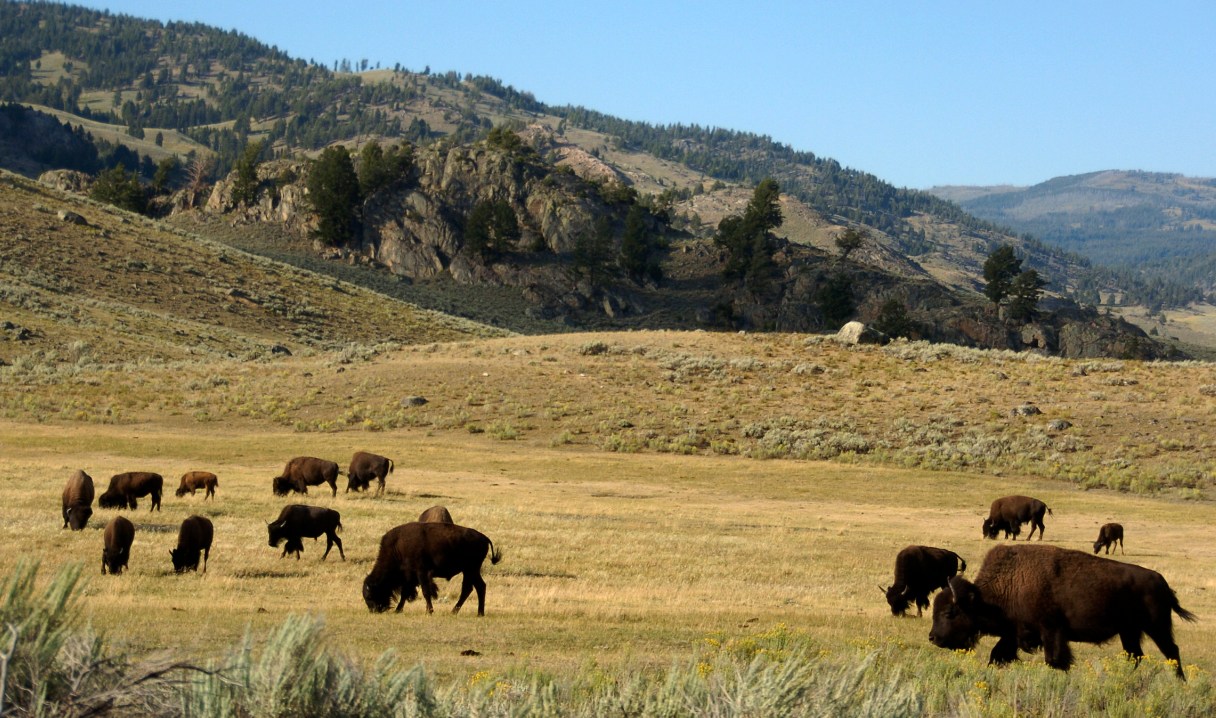
FILE - In this Aug. 3, 2016 file photo, a herd of bison grazes in the Lamar Valley of Yellowstone National Park in Wyo. Park administrators appear to have lost ground on a 2009 pledge to minimize cell phone access in backcountry areas. Signal coverage maps for two of Yellowstone's five cell phone towers show calls can now be received in large swaths of the park's interior such as the picturesque Lamar Valley. The maps were obtained by a Washington, DC-based advocacy group, Public Employees for Environmental Responsibility. (AP Photo/Matthew Brown, File)

BILLINGS, Mont. (AP) – Adventure seekers encounter untamed wilderness when they enter the backcountry of Yellowstone National Park. Howling wolves. Deadly grizzly bears. Steam-spewing geysers as seen nowhere else on earth.

A refuge from ringing cellphones? Not so much anymore.

In the popularity contest between Yellowstone’s natural wonders and on-demand phone service, park administrators appear to have lost ground on a 2009 pledge to minimize cell phone access in backcountry areas.

Signal coverage maps for two of Yellowstone’s five cellphone towers show calls can now be received in large swaths of Yellowstone’s interior, such as the picturesque Lamar Valley and other areas until just recently out of reach.

The maps were obtained by a Washington, DC-based advocacy group, Public Employees for Environmental Responsibility (PEER), which has for years fought against new telecommunications infrastructure in the first national park in the U.S.