
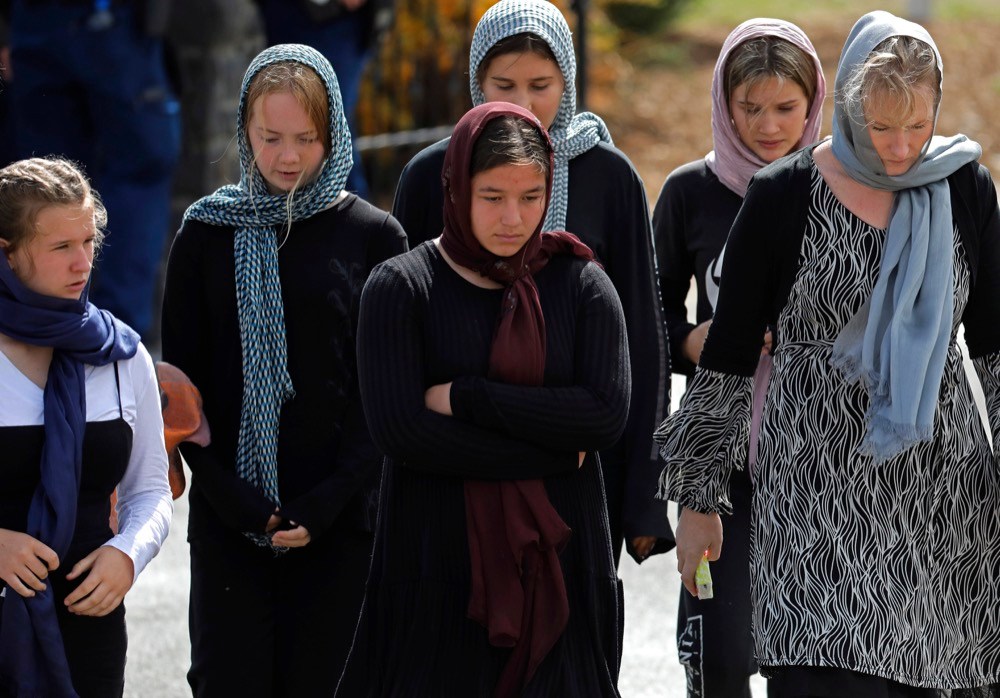
As I record this commentary, the death toll in the horrific terrorist attack in New Zealand has risen to 50 souls.
Though New Zealand is 7,500 miles away from where I live, this one hit close to home for me. I’ve visited New Zealand many times over the last 20 years, and I have developed marvelous friendships with many folks there, particularly on the North Island, but also in the city of Christchurch, where the massacre took place.
That this murderer chose a beautiful and peaceful place like Christchurch, and that he chose to gun down people as they were particularly vulnerable during a time of worship, only adds to how sickening the whole event is.
I do not have the stomach to read the killer’s so-called manifesto, but I’ve read enough about it to know that for the New Zealand killer, what’s wrong with the world is “the other.” People not like him. People he saw as a threat to Western, or specifically “white,” civilization. The so-called invaders, as he called them, were even, in his mind, threats to the environment because they were overpopulating the world (even as white European birthrates decline).
The Muslim worshipers became the targets of the killer’s hatred of the “other.” In his eyes, they were not individual, valuable human beings. They were a faceless group who represented foreign religion and lesser races. The elevation of himself and those “like him” as being somehow better, in tandem with the dehumanization of those not “like him” as the source of our world’s problems, led him to think his act of evil was somehow good and that any chaos he succeeded in creating was somehow necessary to “fix” the world.