
Kenneth Lawson remembers clearly what happened the night his father Harold shot and killed a man 40 years ago — because he was there.
The husband of a woman who had rented a room in his father’s motel in East Ridge was demanding his money back, then pulled a gun and started attacking their father. Kenneth said he and his sister countered with a baseball bat and a broom, and their dad managed to get free and move inside the motel. When his attacker followed, Harold pulled out a .38-caliber pistol and shot his attacker. When the man staggered outside toward Kenneth’s mother and sister, Harold fired four more times, Kenneth said, killing him.
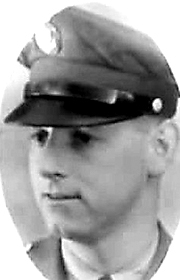 Harold Lawson
His father was convicted of second-degree murder and spent 10 years in prison before being released and starting a successful air conditioning business that he ran for 30 years.
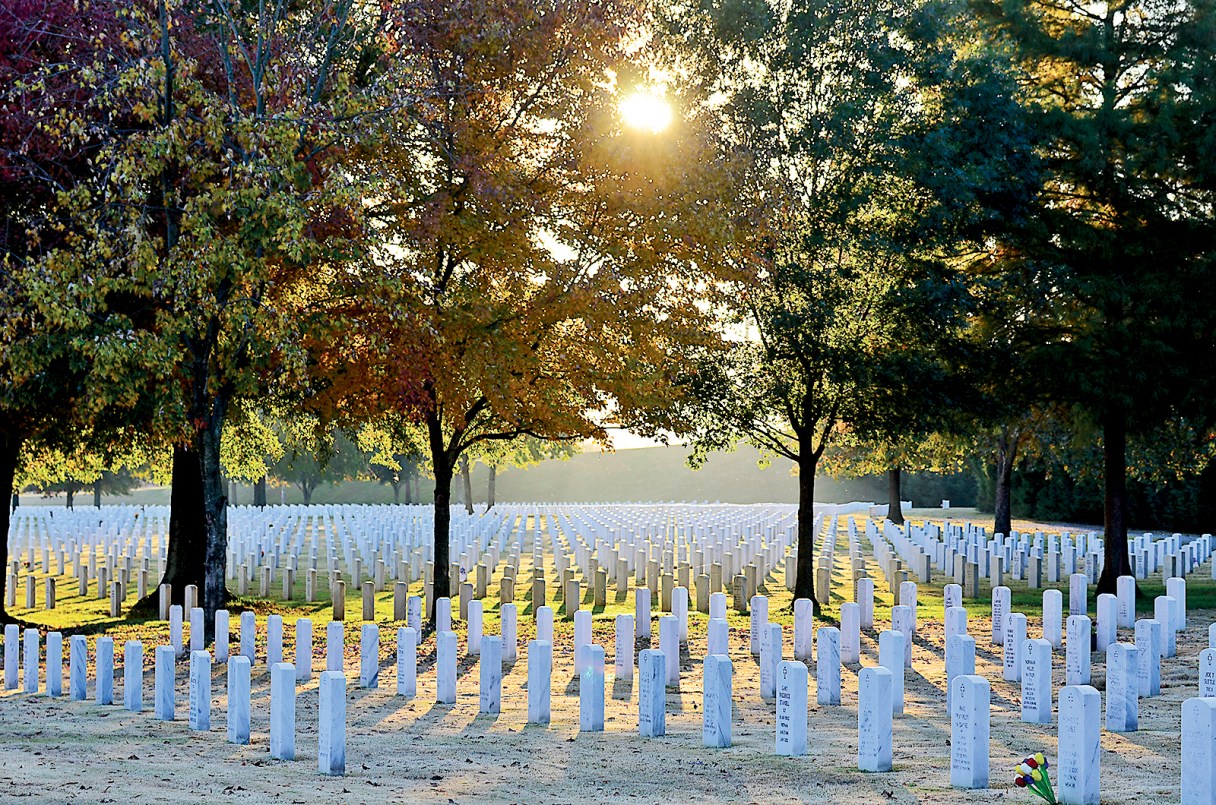
When Harold died last week, the Lawsons contacted a local funeral home about having their father, who served in the U.S. Army in Germany in the 1950s, buried in Chattanooga National Cemetery – one of 133 federal cemeteries nationwide for military personnel.
They were shocked by the response: because their father had been convicted of killing a man, he might be denied burial.
That sent the Lawsons scurrying to find court records of their father’s conviction.
Congress tightened the rules governing who can be interred in a military cemetery in 1997, according to Michael Nacincik, a spokesman for the Department of Veterans Affairs in Washington. Those rules bar interment of veterans convicted of capital crimes and serious sex offenders. A capital crime is any crime that is punishable by the death penalty, although those sentenced to life in prison also are barred.
Two years ago, Congress added the prohibition for sex offenders, Nacincik said. The law bars military honors or burial to anyone convicted of a Tier III sex offense – the most serious sexual assault categories – who is sentenced to life imprisonment.
“These laws have come about because of what the public wants,” Nacincik said. “The public doesn’t want people convicted of these things getting the honor of being buried in national cemeteries.”
Late Monday, the Lawsons got the word they had been hoping for – cemetery officials had reviewed the court records and decided that since Harold Lawson had only been convicted of second-degree murder, he was eligible to be buried here. But his son says his experience should be a warning to those who believe their family members will automatically be buried in a military cemetery because of their time in the armed services.
Contact staff writer Steve Johnson at 423-757-6673 or sjohnson@timesfreepress.com.