
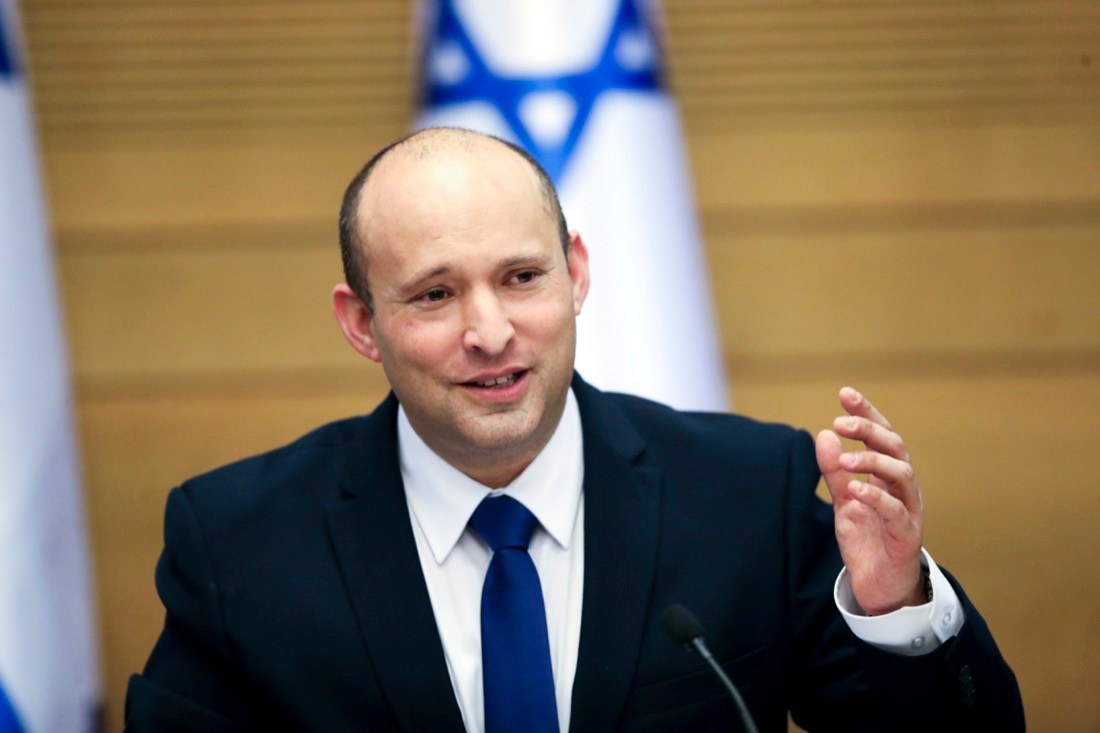
WASHINGTON (AP) – Their countries at crossroads, the new leaders of the United States and Israel have inherited a relationship that is at once imperiled by increasingly partisan domestic political considerations and deeply bound in history and an engrained recognition that they need each other.
How President Joe Biden and Prime Minister Naftali Bennett manage that relationship will shape the prospects for peace and stability in the Middle East.
They are ushering in an era no longer defined by the powerful personality of long-serving Prime Minister Benjamin Netayahu, who repeatedly defied the Obama administration and then reaped the rewards of a warm relationship with President Donald Trump.
Bennett’s government says it wants to repair relations with the Democrats and restore bipartisan support in the U.S. for Israel. Biden, meanwhile, is pursuing a more balanced approach on the Palestinian conflict and Iran.
The relationship is critical to both countries. Israel has long regarded the United States as its closest ally and guarantor of its security and international standing while the U.S. counts on Israel’s military and intelligence prowess in a turbulent Middle East.