
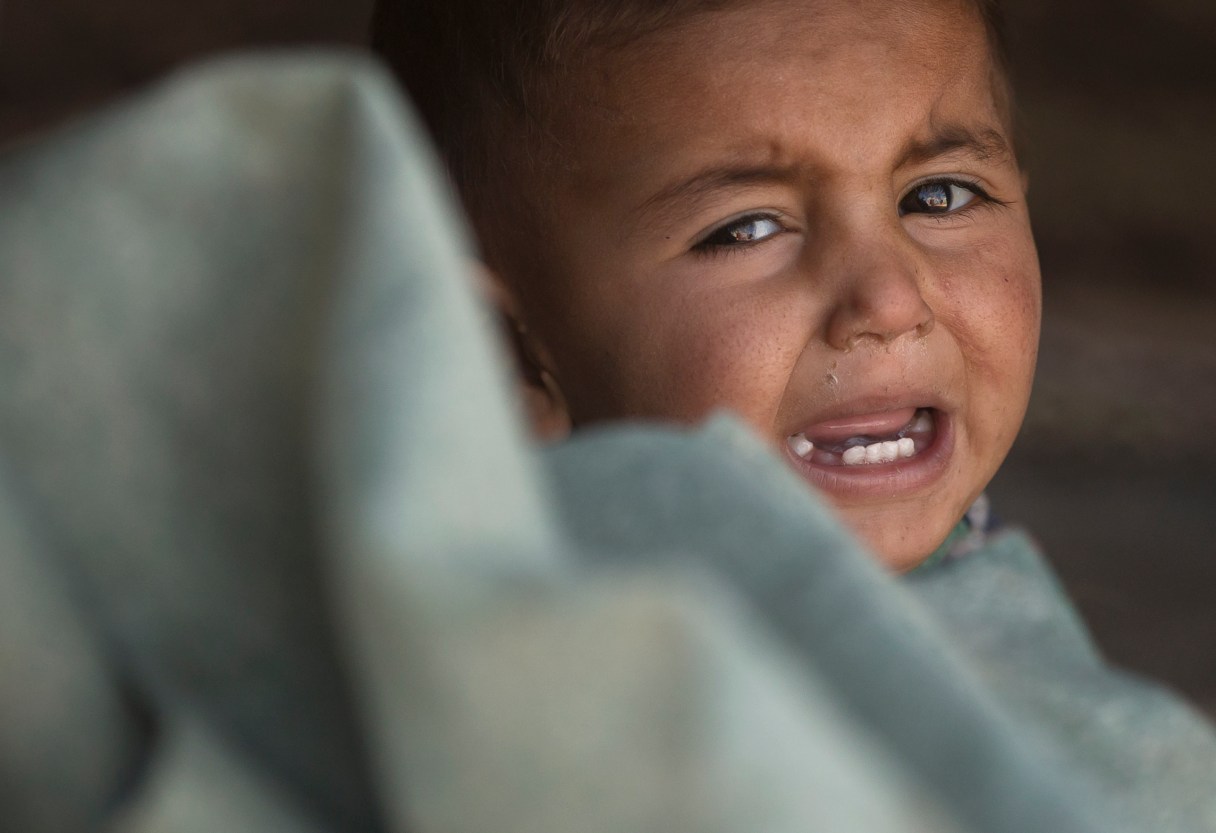
ISTANBUL (AP) – With Turkey’s government-run refugee camps operating at full capacity, more than 1 million Syrian refugees who have flocked to Turkey to escape fighting at home are struggling to survive on their own, according to an Amnesty International report released Thursday.
Turkey, which hosts half of the 3.2 million refugees who have fled Syria, is shouldering the heaviest burden of what the report calls the world’s worst refugee crisis in a generation.
“In three days in September 2014, Turkey received some 130,000 refugees from Syria – more than the entire European Union had in the past three years,” the report said.
It also detailed cases where Turkish border guards have abused – even killed – refugees trying to enter the country.
An estimated 1.6 million Syrian refugees have entered Turkey since the Syrian war began in March 2011. About 220,000 are living in 22 government-run camps that offer food and essential services, the report said. The remaining 1.38 million – more than 85 percent – are living outside the camps, mostly in communities along the Turkey-Syrian border. An estimated 330,000 live in Istanbul, the Turkish commercial capital.