
Friday, November 6, 2026Nov 6

This story is free to read.

Wet or dry? Threat posed by mosquitoes will be influenced by weather

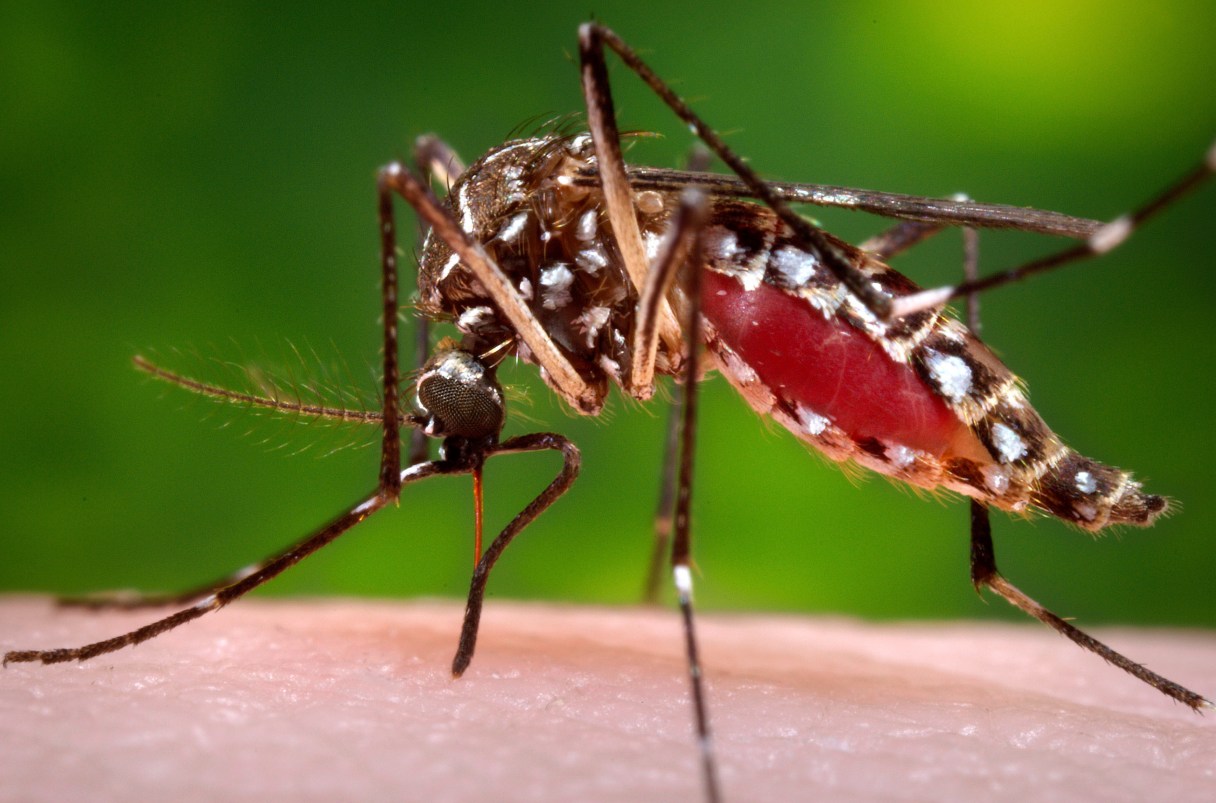
This 2006 file photo provided by the Centers for Disease Control and Prevention shows a female Aedes aegypti mosquito in the process of acquiring a blood meal from a human host. The Zika virus is transmitted to people primarily through the bite of an infected Aedes aegypti species mosquito. A U.S. study of Zika-infected pregnancies found that 6 percent of them ended in birth defects. The rate was nearly twice as high for women infected early in pregnancy. It's the first published research on outcomes in the United States, and the authors say the findings echo what's been reported in Brazil and other countries with Zika outbreaks.  (James Gathany/Centers for Disease Control and Prevention via AP, File)
This 2006 file photo provided by the Centers for Disease Control and Prevention shows a female Aedes aegypti mosquito in the process of acquiring a blood meal from a human host. The Zika virus is transmitted to people primarily through the bite of an infected Aedes aegypti species mosquito. A U.S. study of Zika-infected pregnancies found that 6 percent of them ended in birth defects. The rate was nearly twice as high for women infected early in pregnancy. It's the first published research on outcomes in the United States, and the authors say the findings echo what's been reported in Brazil and other countries with Zika outbreaks. (James Gathany/Centers for Disease Control and Prevention via AP, File) This 2006 file photo provided by the Centers for Disease Control and Prevention shows a female Aedes aegypti mosquito in the process of acquiring a blood meal from a human host. The Zika virus is transmitted to people primarily through the bite of an infected Aedes aegypti species mosquito. A U.S. study of Zika-infected pregnancies found that 6 percent of them ended in birth defects. The rate was nearly twice as high for women infected early in pregnancy. It's the first published research on outcomes in the United States, and the authors say the findings echo what's been reported in Brazil and other countries with Zika outbreaks. (James Gathany/Centers for Disease Control and Prevention via AP, File)

ATLANTA – The threat posed by mosquitoes in Georgia this summer will depend greatly on the weather, experts say.

Mosquitoes that carry West Nile develop in storm drains when it’s dry, said University of Georgia entomologist Elmer Gray.

Zika-carrying mosquitoes develop when it’s wet, as well as in containers, Gray told WABE Radio.

“If it’s dry we have one type of mosquito that flourishes,” Gray said. “If it’s wet we have other types of mosquitoes that flourish. So how the season plays out and what’s our biggest threat relates to what the weather conditions produce.”

Another factor is based on how many people and mosquitoes have the virus in any given area, said Tom Skinner, a spokesman for the Centers for Disease Control and Prevention.

Skinner said that while he expects a couple of cases of Zika, it’s unlikely the United States will see a widespread transmission.

“Even when we have local transmission, we don’t have the big, infectious outbreaks like you see in other countries,” Skinner said. “People use air conditioners here. People have screens on their windows. Things like that result in the less likelihood people will actually be bitten by mosquitoes.”

Georgia has already seen one case of Zika this year, according to the CDC’s website. The state sees about 10 to 15 cases of West Nile a year, WABE reported.

Some Georgia counties, such as Fulton County, have already begun spraying for mosquitoes.

Fulton County started its mosquito control program in 2001, when Georgia saw its first case of West Nile virus, the radio station reported. Fulton County has continued the program because of other mosquito-borne diseases, like Zika, said Kathleen Toomey, the county’s health director.

Gwinnett and Cobb counties don’t spray for mosquitoes, but they do offer preventative education – like reminding people to use bug spray and pour out standing water, WABE reported.