
As Chattanooga approaches the third anniversary of its agreement with the U.S. Environmental Protection Agency to reduce or eliminate raw sewage overflows into the Tennessee River, city leaders want to know if the millions of dollars spent so far are achieving the goals of a 17-year program projected to cost $250 million.
The two-phase wastewater rehabilitation program, which mandates a major reduction in overflows by the 2020 deadline for the first phase, calls for the city to limit stormwater infiltration into the sewer network by replacing and repairing manholes and pipes and by increasing the capacity of wastewater facilities. Stormwater infiltration is a major factor in overflows.
“We are looking for a timeline and a visual that will show us where we are in relation to our end goal,” Councilman Ken Smith said before Tuesday’s voting session in which the council would vote whether to formally approve an application for a $42.5 million loan through the Tennessee Department of Environment and Conservation to use for ongoing wastewater rehabilitative efforts.
The intent to apply for $42.5 million in TDEC funding, which was approved in a 9-0 vote, was described by city staff as a formality in the wastewater rehabilitation process since the proposed TDEC component was already a part of the city’s previously approved long-term capital improvements budget. The city has already borrowed $66.8 million in TDEC funding for the program.
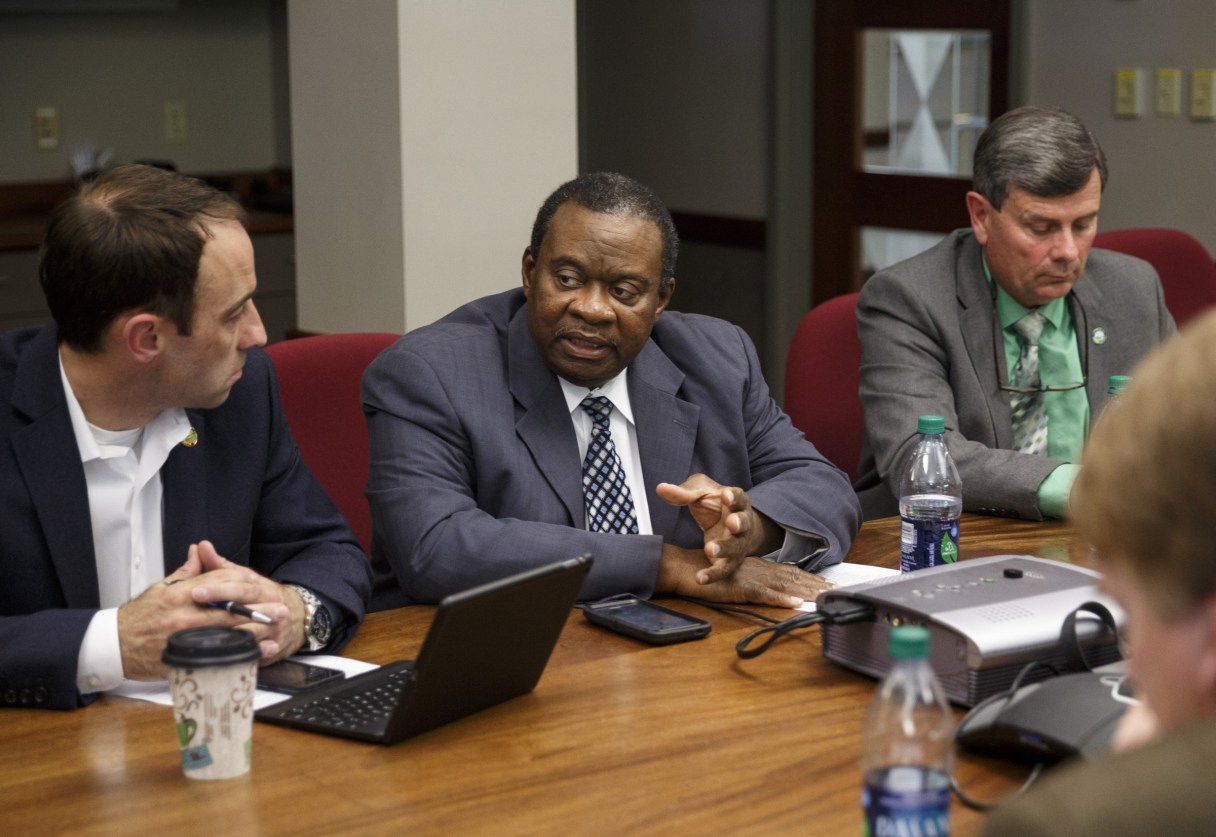
Smith said he is working with Chattanooga Public Works to help the council develop a better understanding of what progress has been been made on the comprehensive wastewater program. A recent presentation by Jacobs Engineering Group, the consulting firm overseeing wastewater rehabilitative efforts, left a number of council members still voicing questions about the achievements and projected success of the wastewater system overhaul.