
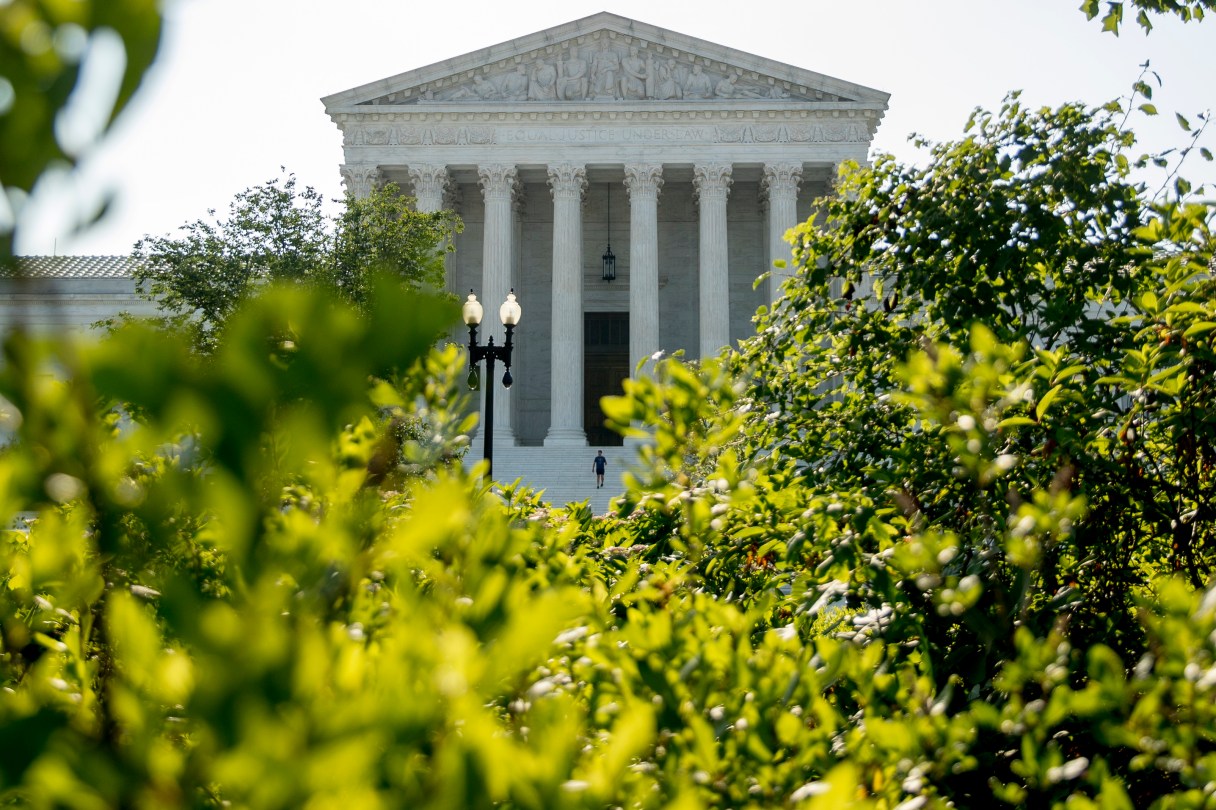
In two major cases Thursday, the Supreme Court rejected President Donald Trump’s attempt to avoid all legal scrutiny of his financial records and reaffirmed the principle that undergirds any democratic society: No one, not even the president, is above the law.
That’s the good news. It’s also the bare minimum Americans should expect. The bad news is that Trump has again figured out how to game the legal system to his advantage, to dance along the edges of the law that the rest of us are expected to abide by.
The bottom line is that Trump will almost certainly for a time get to keep hiding his tax returns (Remember those? The ones he promised to release five years ago?) and his other financial records from the American people, who will be asked to decide in a matter of months whether to give him another term.
From the day he took office, Trump has governed as if democratic checks and balances are optional. “I can do whatever I want,” he has said, more than once. This includes intervening in federal prosecutions to protect his friends, soliciting foreign interference in American elections and tear-gassing peaceful protesters for a photo op.
Nearly 250 years after another ruler’s abuses of power drove the American colonists to revolution, the lesson remains clear: We must always keep close watch on our leaders. In two separate decisions Thursday, the Supreme Court reminded Trump of that history, ruling 7-2 that he could not ignore subpoenas of his financial records from Congress and from a New York prosecutor.