
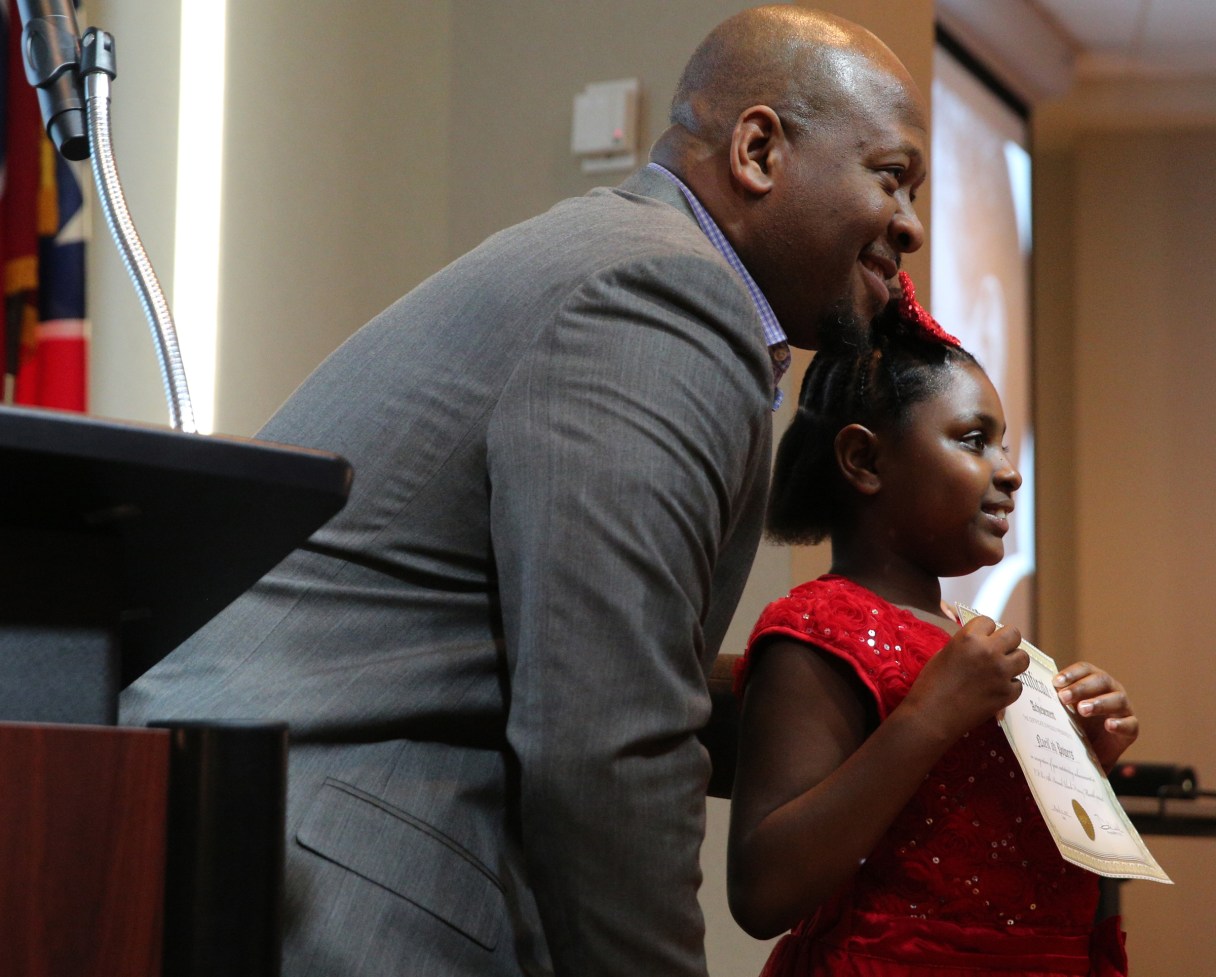

State Rep. Yusuf Hakeem, D-Chattanooga, is quoted by the Tennessee Lookout as saying he is “surprised and disappointed” the Joint Legislative Education Committee has no plans this week to discuss a bill he introduced to provide a study of Black history to public school students.
The committee may have no plans to discuss it because public schools already teach Black history throughout the state’s social studies curriculum. Indeed, it is woven in the curriculum in grades four, five and eight, and in high school.
Hakeem’s bill would require districts “to provide age-appropriate instruction to public school students on Black history in the fifth and eighth grades” as well as provide “Black history resources and materials.”
According to the state Department of Education curriculum, a discussion of slavery first begins in fourth-grade social studies and is the major part of at least seven lessons. The civil rights era is discussed as part of the fifth-grade curriculum, and slavery and civil rights are taken up again in numerous lessons as part of Tennessee history in the same school year.
Students return to Black history as part of the eighth-grade curriculum, which includes a specific study on African American history, including such subjects as “the economic, social, religious and legal justifications for the establishment and continuation of slavery,” “the economic and social impact of Jim Crow laws on African Americans,” “the extent to which the civil rights movement transformed American politics and society,” and “the responses of African Americans to the economic, social and political challenges in the contemporary U.S.”