
Sunday, November 15, 2026Nov 15

Homicide ruling of SEAL death raises safety questions

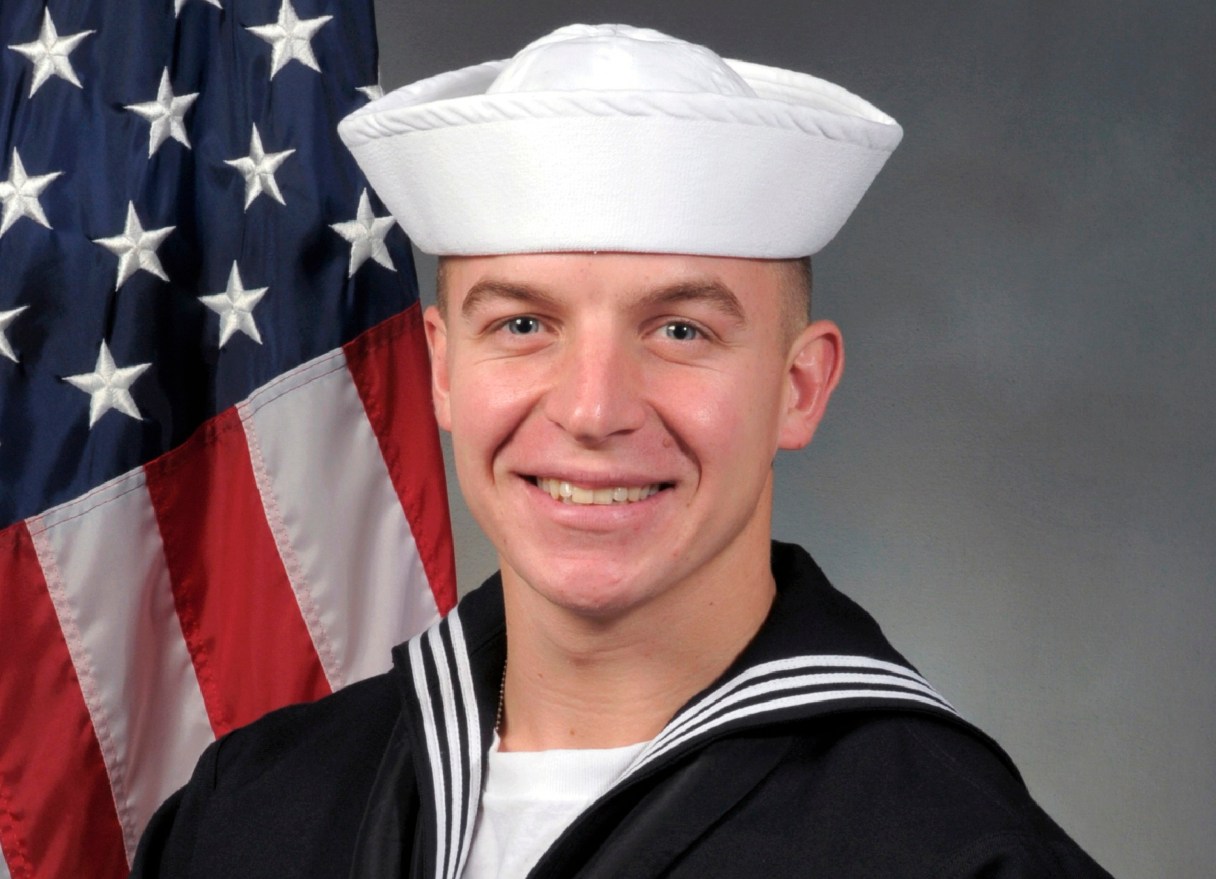
FILE - In this undated file photo released by the Naval Special Warfare Center shows Seaman James "Derek" Lovelace. Lovelace, a Navy SEAL trainee who died during his first week of basic training in Coronado, Calif. A Southern California medical examiner says Lovelace was repeatedly dunked by an instructor in his first week of basic training and has ruled his death a homicide. The San Diego County autopsy report released Wednesday, July 6, says Lovelace's cause of death is drowning with a contributing heart problem. The homicide ruling doesn't necessarily mean a crime occurred, and the instructor hasn't been charged. (Naval Special Warfare Center via AP, File)

SAN DIEGO (AP) – The Navy SEALs basic training is designed to be a difficult selection process to find the U.S. military’s strongest fighters and turn them into an elite force able to dive into the world’s deadliest places from Somalia to Syria.

Seaman James Derek Lovelace was in his first week of the six-month program in Coronado, near San Diego, when he died during the strenuous training.

His lips turning blue and his face purple, the Navy SEAL trainee dressed in full gear was treading water in a giant pool when his instructor pushed him underwater at least twice – actions a medical examiner ruled Wednesday made his drowning death a homicide, not an accident.

The highly unusual ruling is serious and could affect the SEALs’ basic training practices, said former Navy Capt. Lawrence Brennan, an adjunct professor at Fordham Law School who served as a Navy judge advocate.

The ruling on the May 6 drowning of the 21-year-old raises questions about the safety of the grueling training that some argue is necessary to create warriors charged with missions like the one that took down Osama Bin Laden. It also raises questions about where the line is drawn between what is considered to be rigorous training to weed out the weakest and abuse that leads to a homicide.