
Monday, November 16, 2026Nov 16

Gene therapy lets a French teen dodge sickle cell disease

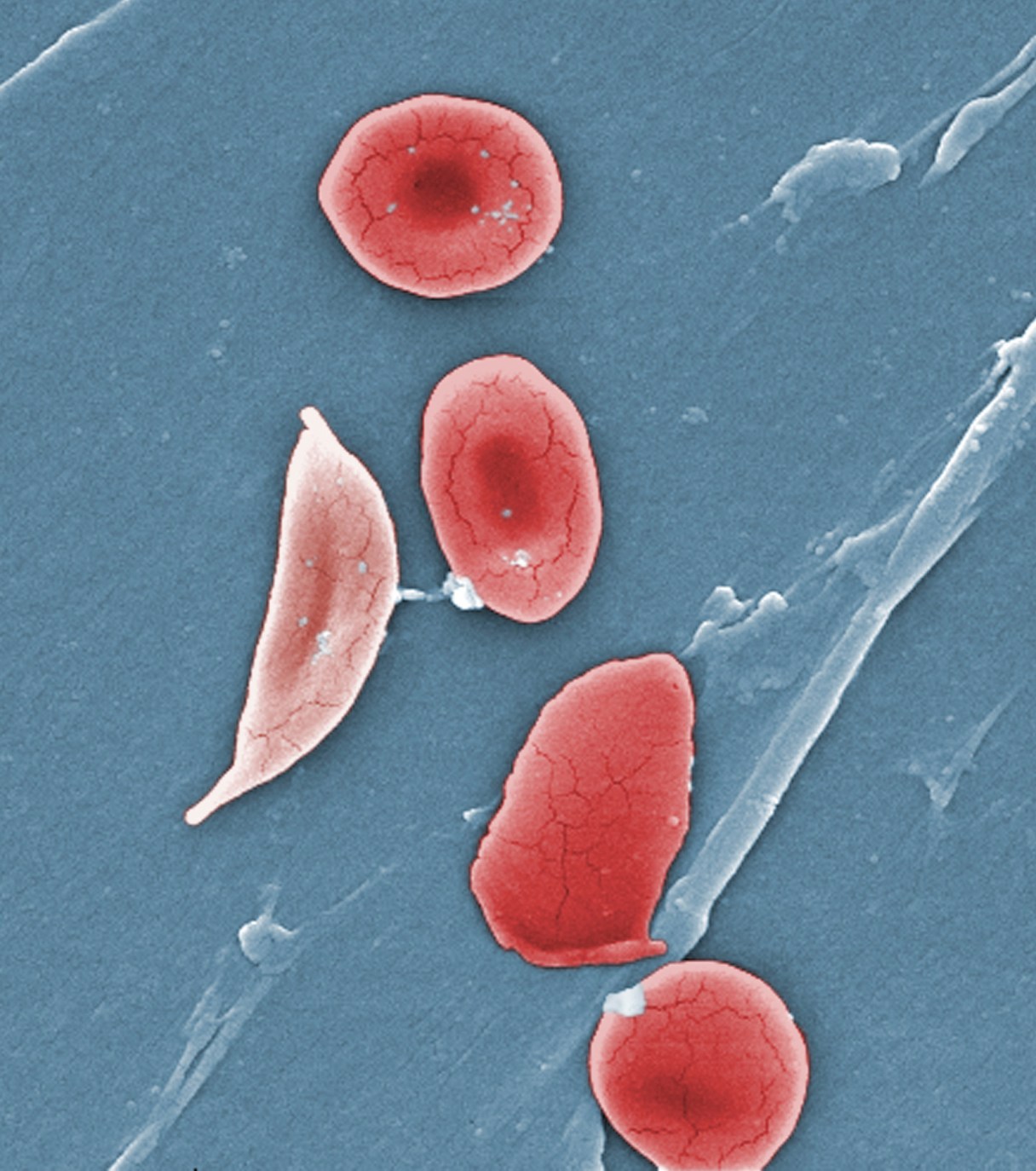
This 2009 colorized microscope image made available by the Sickle Cell Foundation of Georgia via the Centers for Disease Control and Prevention shows a sickle cell, left, and normal red blood cells of a patient with sickle cell anemia. Researchers say a French teen who was given gene therapy for sickle cell disease more than two years ago now has enough properly working red blood cells to dodge the effects of the disorder. The case is detailed in the March 2, 2017 issue of the New England Journal of Medicine. (Janice Haney Carr/CDC/Sickle Cell Foundation of Georgia via AP)

A French teen who was given gene therapy for sickle cell disease more than two years ago now has enough properly working red blood cells to dodge the effects of the disorder, researchers report.

The first-in-the-world case is detailed in Thursday’s New England Journal of Medicine.

About 90,000 people in the U.S., mostly blacks, have sickle cell, the first disease for which a molecular cause was found. Worldwide, about 275,000 babies are born with it each year.

“Vexing questions of race and stigma have shadowed the history of its medical treatment,” including a time when blacks who carry the bad gene were urged not to have children, spurring accusations of genocide, Keith Wailoo of Princeton University wrote in a separate article in the journal.

The disease is caused by a single typo in the DNA alphabet of the gene for hemoglobin, the stuff in red blood cells that carries oxygen. When it’s defective, the cells sickle into a crescent shape, clogging tiny blood vessels and causing bouts of extreme pain and sometimes more serious problems such as strokes and organ damage. It keeps many people from playing sports and enjoying other activities of normal life.