
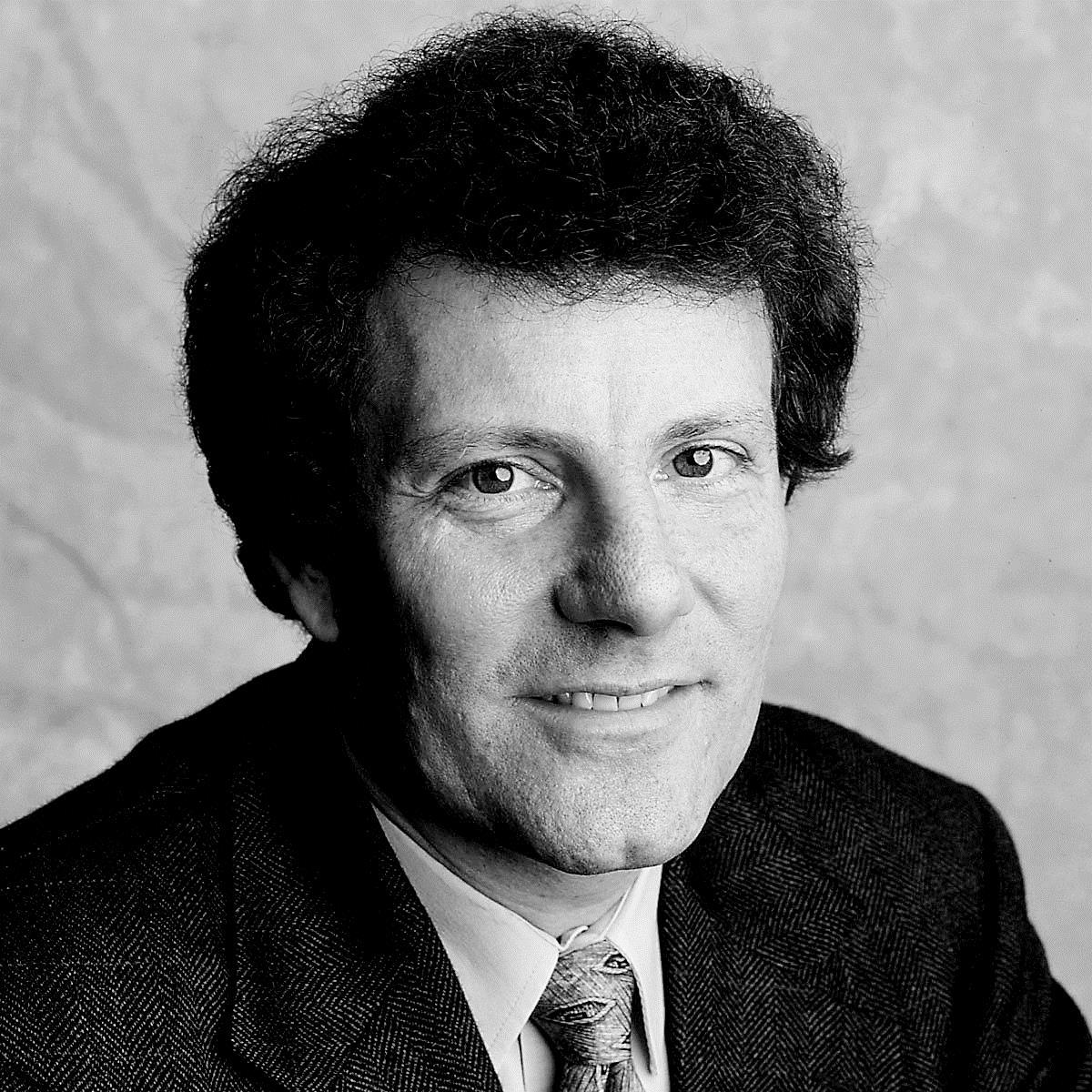
What does it mean to be a Christian in the 21st century? Can one be a Christian and yet doubt the virgin birth or the Resurrection? I put these questions to the Rev. Timothy Keller, an evangelical Christian pastor and best-selling author who is among the most prominent evangelical thinkers today.
Kristof: Tim, I deeply admire Jesus and his message but am also skeptical of themes that have been integral to Christianity – the virgin birth, the Resurrection, the miracles and so on. Let’s start with the virgin birth. Is that an essential belief or can I mix and match?
Keller: If something is truly integral to a body of thought, you can’t remove it without destabilizing the whole thing. A religion can’t be whatever we desire it to be. There have to be some boundaries for dissent or you couldn’t have a cohesive, integrated organization. And they’d be right. It’s the same with any religious faith.
Kristof: But the earliest accounts of Jesus’ life, like the Gospel of Mark and Paul’s letter to the Galatians, don’t even mention the virgin birth. And the reference in Luke to the virgin birth was written in a different kind of Greek and was probably added later. So isn’t there room for skepticism?
Keller: If it were simply a legend that could be dismissed, it would damage the fabric of the Christian message. Luc Ferry, looking at the Gospel of John’s account of Jesus’ birth into the world, said this taught that the power behind the whole universe was not just an impersonal cosmic principle but a real person who could be known and loved. It led to a new emphasis on the importance of the individual person and on love as the supreme virtue because Jesus was not just a great human being, but the pre-existing Creator God, miraculously come to earth as a human being.
Kristof: And the Resurrection? Must it really be taken literally?
Keller: Jesus’ teaching was not the main point of his mission. He came to save people through his death for sin and his resurrection. If the Resurrection is a genuine reality, it explains why Jesus can say that the poor and the meek will “inherit the earth” (Matthew 5:5). St. Paul said without a real resurrection, Christianity is useless (1 Corinthians 15:19).
Kristof: As you know better than I, the Scriptures themselves indicate that the Resurrection wasn’t so clear cut. Mary Magdalene didn’t initially recognize the risen Jesus, nor did some disciples, and the gospels are fuzzy about Jesus’ literal presence – especially Mark, the first gospel to be written. So if you take these passages as meaning that Jesus literally rose from the dead, why the fuzziness?
Keller: I wouldn’t characterize the New Testament descriptions of the risen Jesus as fuzzy. They are very concrete in their details. Yes, Mary doesn’t recognize Jesus at first, but then she does. The two disciples on the road to Emmaus (Luke 24) also don’t recognize Jesus at first. As for Mark’s gospel, yes, it ends very abruptly without getting to the Resurrection, but most scholars believe that the last part of the book or scroll was lost to us.
The Christian Church is pretty much inexplicable if we don’t believe in a physical resurrection. N.T. Wright has argued in “The Resurrection of the Son of God” that it is difficult to come up with any historically plausible alternate explanation for the birth of the Christian movement. It is hard to account for thousands of Jews virtually overnight worshipping a human being as divine when everything about their religion and culture conditioned them to believe that was not only impossible, but deeply heretical.
Kristof: So where does that leave people like me? Am I a Christian? A Jesus follower? A secular Christian? Can I be a Christian while doubting the Resurrection?
Keller: I wouldn’t draw any conclusion about an individual without talking to him or her at length. But, in general, if you don’t accept the Resurrection or other foundational beliefs as defined by the Apostles’ Creed, I’d say you are on the outside of the boundary.
Kristof: Do you ever have doubts? Do most people of faith struggle at times over these kinds of questions?
Keller: Yes and yes. Doubts force us to think things out and re-examine our reasons, and that can, in the end, lead to stronger faith.
Nicholas Kristof is a columnist for the New York Times.