
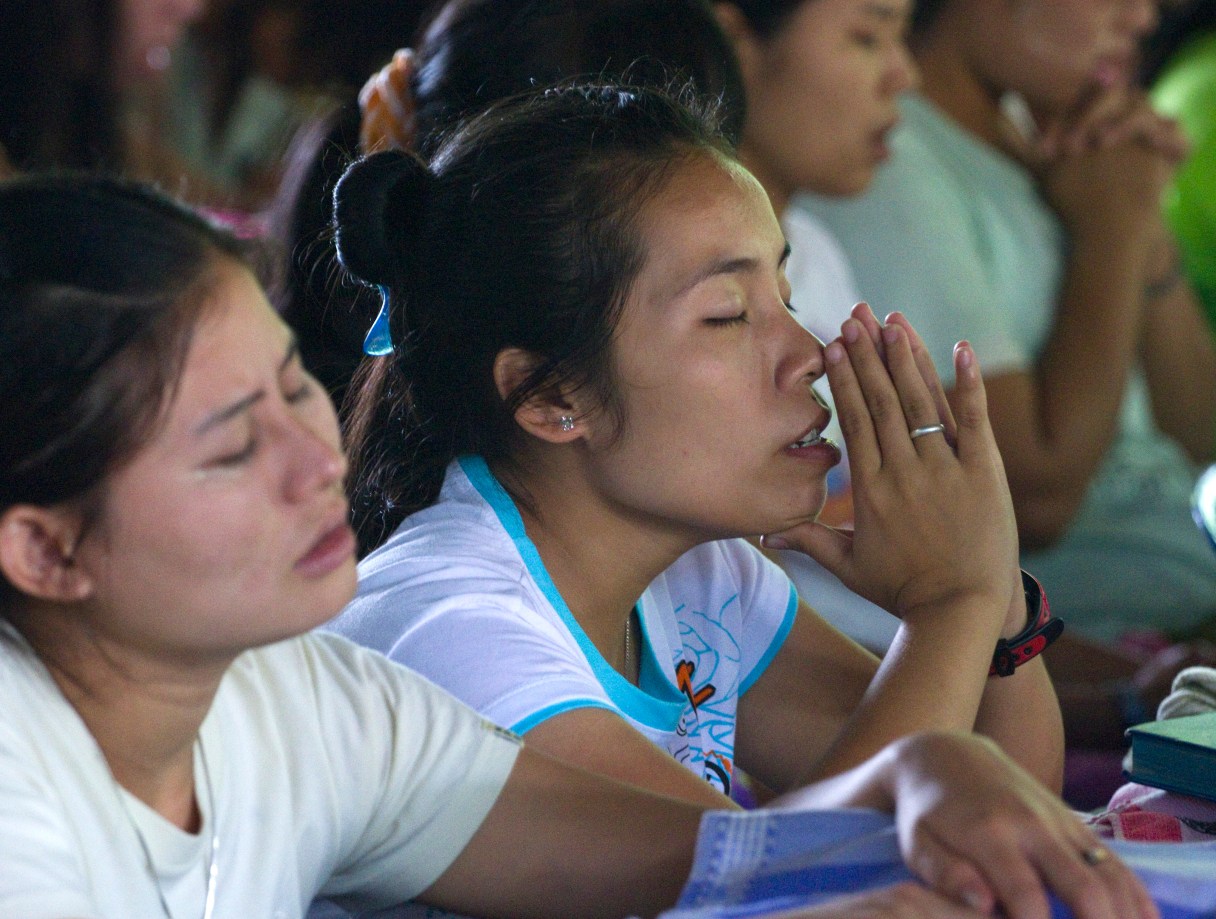
HPA-AN, Myanmar (AP) – During nearly seven decades the villages of the Karen have been torched, their men summarily executed and their women raped as the ethnic minority battled Myanmar’s military regime in the world’s longest-running insurgency. Their homeland has been called the “hidden Darfur,” where some 350,000 people have been driven from their homes into the jungles or refugee camps in neighboring Thailand.
Now, many of the survivors are pinning their hopes on a historic election Nov. 8 pitting the military-backed ruling party against one helmed by pro-democracy icon Aung San Suu Kyi and numerous ethnic parties. They fear victory by the military’s United Solidarity and Development Party would plunge Karen state and its 1.5 million people back into a hellhole.
“If the USDP comes into power, we will walk the same path. We will remain beggars. If they lose, the country will change. This is the final showdown,” says Hkun Kyi Myint, an elder of several villages around Hpa-An, the state capital.
Ethnic minorities including the Karen make up about 40 percent of Myanmar’s 52 million people. For them, the election is more than a step in Myanmar’s uneven path toward democracy. It opens up the possible fulfillment of a long-cherished dream.
Shortly after the country, then known as Burma, gained independence from Britain in 1948, the Karen rose against the central government, which then and since has been dominated by the Burman ethnic majority. The country’s first constitution and the 1947 Panglong Agreement, endowed with an almost mythic aura among ethnic people, promised a large measure of self-determination for minorities – even the possibility of secession.