
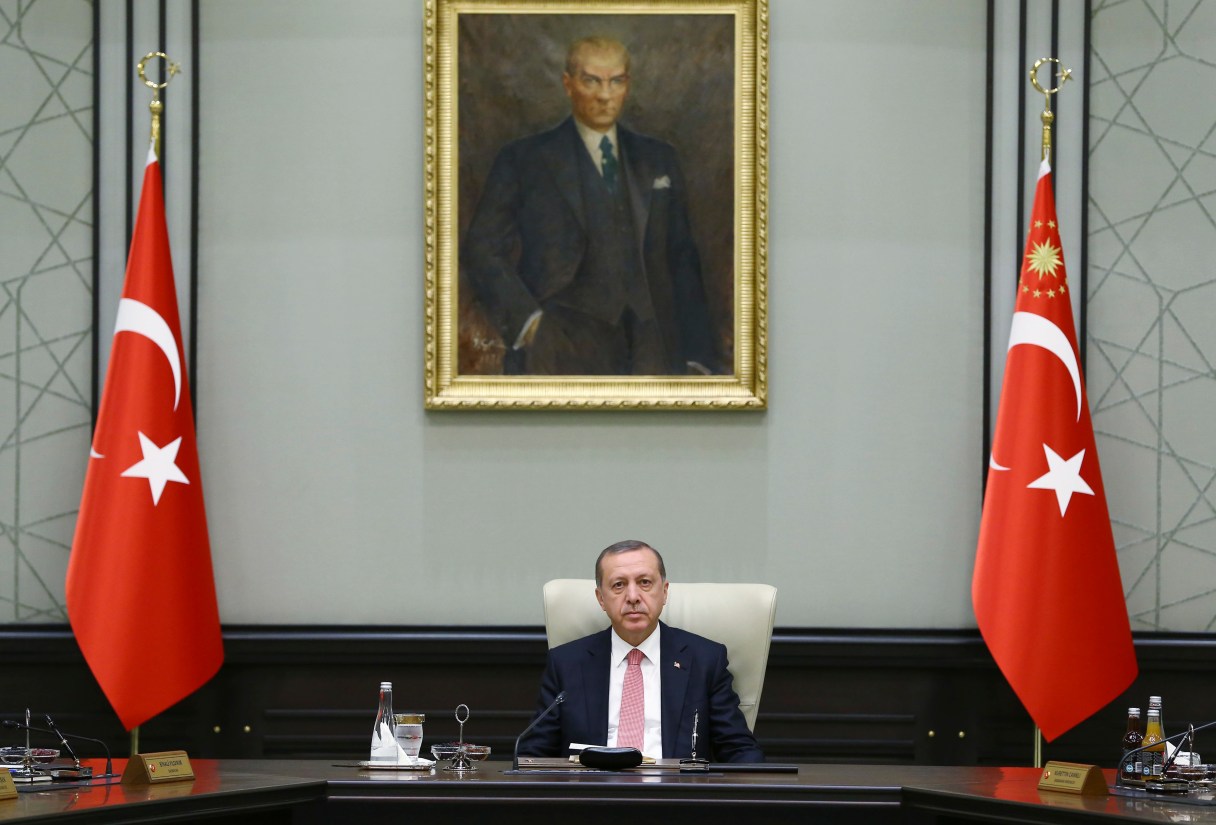
ATHENS, Greece (AP) – Even before Turkey was thrown into crisis by a coup attempt, its deal with the European Union to stop migration westward was under strain: Turks did not get the visa-free travel they were promised, and Greece was overwhelmed with asylum claims that have halted deportations for weeks.
Now critics of the agreement argue Turkey is even more unsafe, and warn the arrangement might collapse altogether – heightening anxiety in neighboring Greece, the main gateway for migrants into the EU.
Amnesty International says it has gathered evidence that people who have been detained in President Recep Tayyip Erdogan’s sweeping purge of suspected sympathizers of the attempted coup on July 15-16 are being beaten and tortured.
“With allegations of torture in detention, a crackdown on freedom of expression and a general roll back of rights, the EU cannot expect to outsource its refugee responsibilities to Turkey,” the rights group’s deputy Europe director Gauri van Gulik told the AP.
“Amnesty and other groups have already demonstrated Turkey is not a safe country to return refugees to. And the events of last week are only likely to exacerbate the situation.”