
Monday, November 16, 2026Nov 16

Southern California having smoggiest summer since 2009

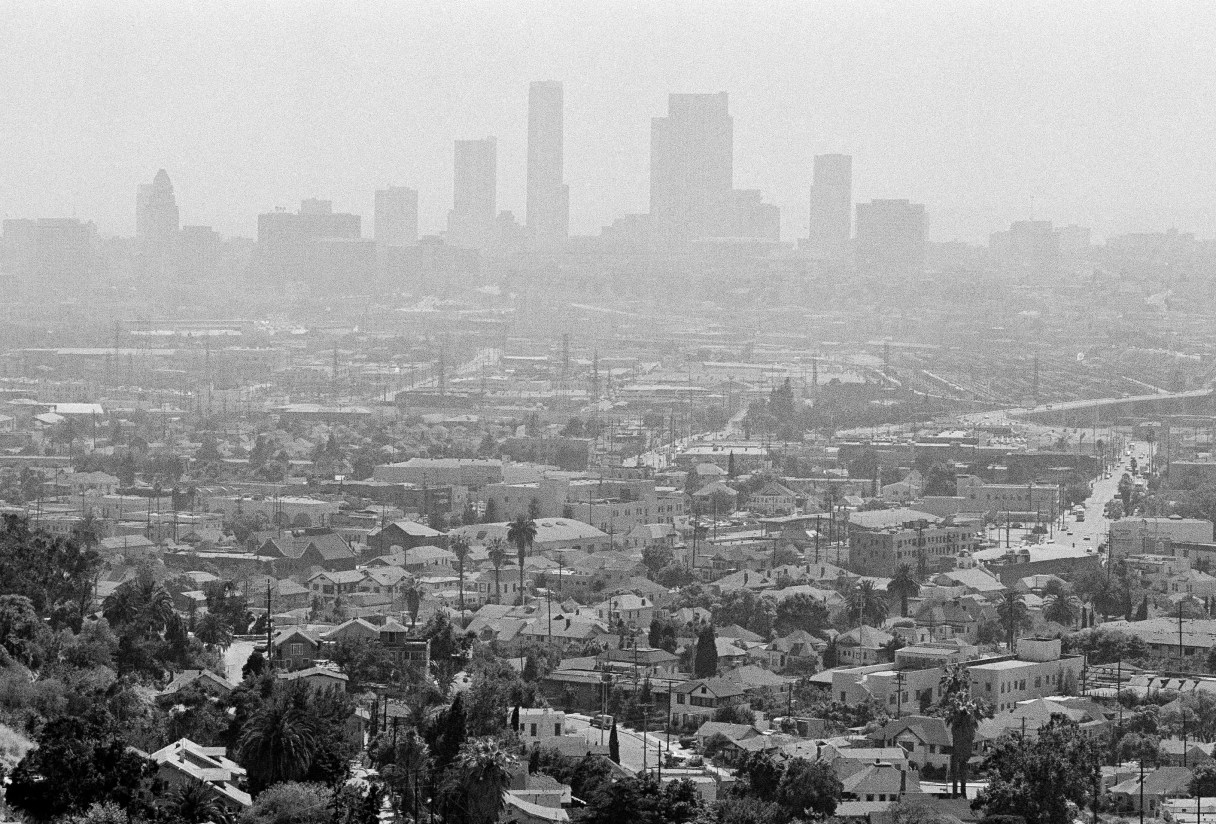
HOLD FOR STORY - FILE - In this July 15, 1978 file photo, a pall of smog lies over the Los Angeles skyline. Southern California is having its smoggiest summer in nearly a decade and hospitals report an increase of people with breathing problems. The South Coast Air Quality Management District says ozone levels exceeded federal standards for all but four days in June 2016. July had only one clean-air day, and there hasn't been a single day so far in August. The South Coast Air Quality Management District says even the worst smog is nothing compared to the foul blanket that used to cover Southern California in the 1970s. (AP Photo/Nick Ut, File)

LOS ANGELES (AP) – Southern California sunshine means sparkling beach weather, but this summer it’s contributing to a return of a traditional nemesis: smog.

The enormous region that stretches from the Pacific Ocean to the Mojave Desert is having its worst summer air quality since 2009, regulators said Thursday.

Huge wildfires have fouled the air with ash and soot in some localized areas, but the big problem is seasonal ozone. The emissions from cars, refineries and other sources react to sunshine to produce a lung-stinging pollutant.

Although the air is nowhere near as foul as in the bad old days of the 1970s, when skies were a miasmic yellow or brown, ozone levels continue to exceed federal standards and hospitals in the smoggiest areas report an uptick in asthma patients.

In the past two or three months, there has been a 30 percent spike in the number of people with asthma and chronic obstructive pulmonary disease seeking help for breathing difficulties, Dr. Laren Tan said. He directs Loma Linda University Chronic Obstructive Pulmonary Disease & Asthma Network Clinic, located at Loma Linda University Medical Center east of Los Angeles.