
Thursday, November 12, 2026Nov 12

Early prison release will test drug felons, re-entry groups

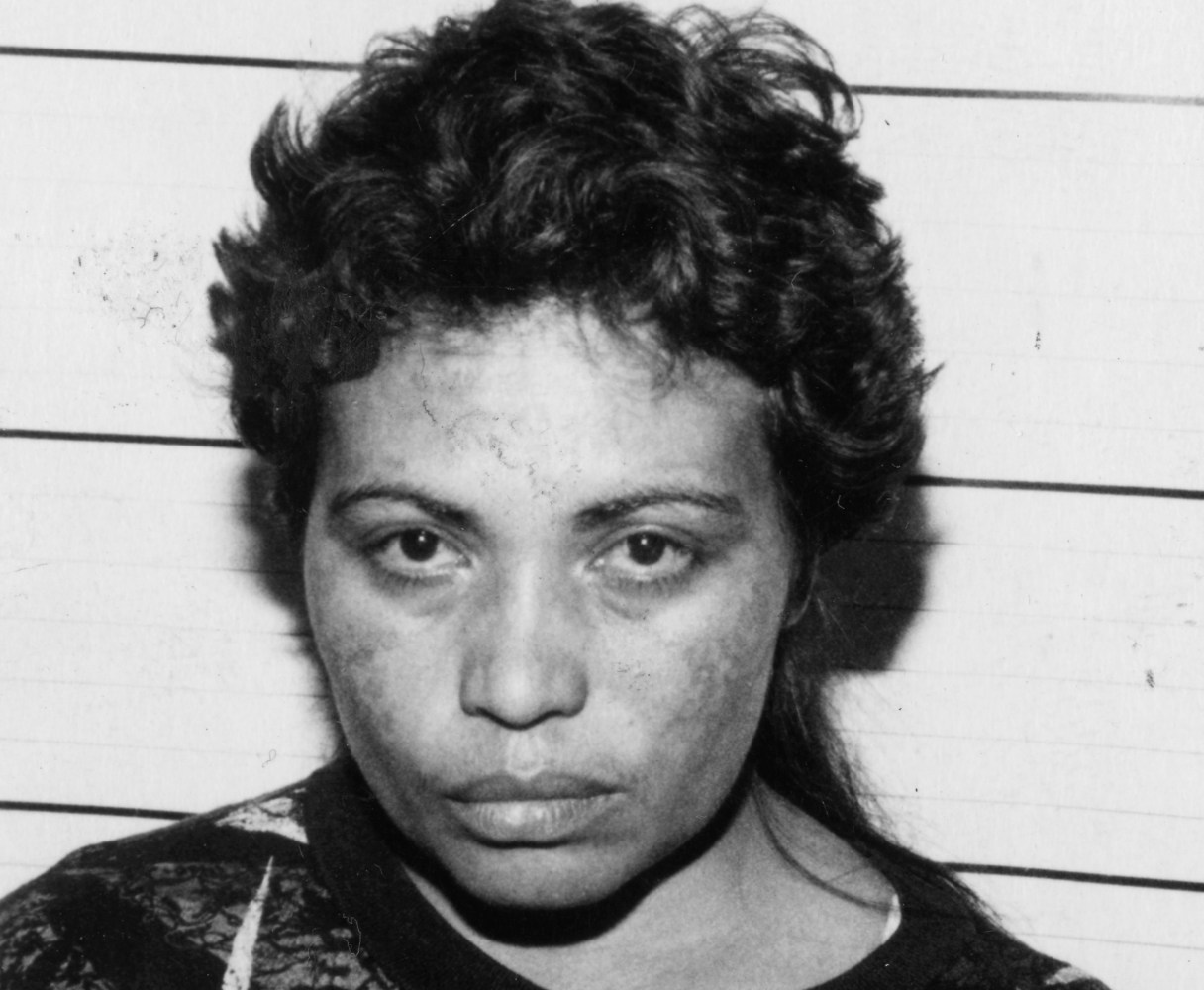
This 1990 photo provided by the Philadelphia Police Department shows Myrna Suren. In November 2015, Suren is expected to leave the federal prison in downtown Philadelphia where she has spent the past 25 years. She is one of the 6,000 drug felons set for release on Nov. 1 as part of a national effort to reduce what the U.S. Sentencing Commission now deems overly harsh drug sentences from that era. (Philadelphia Police Department/Philadelphia Daily News via AP)
This 1990 photo provided by the Philadelphia Police Department shows Myrna Suren. In November 2015, Suren is expected to leave the federal prison in downtown Philadelphia where she has spent the past 25 years. She is one of the 6,000 drug felons set for release on Nov. 1 as part of a national effort to reduce what the U.S. Sentencing Commission now deems overly harsh drug sentences from that era. (Philadelphia Police Department/Philadelphia Daily News via AP) This 1990 photo provided by the Philadelphia Police Department shows Myrna Suren. In November 2015, Suren is expected to leave the federal prison in downtown Philadelphia where she has spent the past 25 years. She is one of the 6,000 drug felons set for release on Nov. 1 as part of a national effort to reduce what the U.S. Sentencing Commission now deems overly harsh drug sentences from that era. (Philadelphia Police Department/Philadelphia Daily News via AP)

PHILADELPHIA (AP) – She was the queen of the “OK Corral,” a tot-toting grandmother who stepped up to rent out street corners and run the bustling cocaine trade in her north Philadelphia neighborhood after her 20-year-old son was gunned down.

By the time a younger son finished testifying against her in federal court in 1990, Myrna Suren was sent off to serve a life sentence. She was 41 years old.

Now 67, Suren will soon leave the federal prison in downtown Philadelphia where she has spent the past 25 years. She is one of the 6,000 drug felons set for release around Nov. 1 as part of a national effort to reduce what the U.S. Sentencing Commission now deems to be overly harsh – and expensive – drug laws enacted during the era’s “War on Drugs.”

Whatever their hopes and dreams, the thousands of inmates returning to communities across the U.S. may find re-entry more difficult than they imagined. And it’s unclear – from Associated Press interviews with lawyers, prisoner advocates, parole officials and a federal judge – how much support they’ll find.

“Some are coming out after three years, some after 20,” said Elizabeth Toplin, a federal public defender who reviewed about 800 drug cases in the Philadelphia region. “It’s a different world. These guys come out of jail and they’ve never seen a cellphone. … Unless we intervene properly, when people come home, they just don’t have the resources not to go back.”