
Friday, October 30, 2026Oct 30

This story is free to read.

Moore: Much about nursing in Chattanooga has evolved since the early 20th century

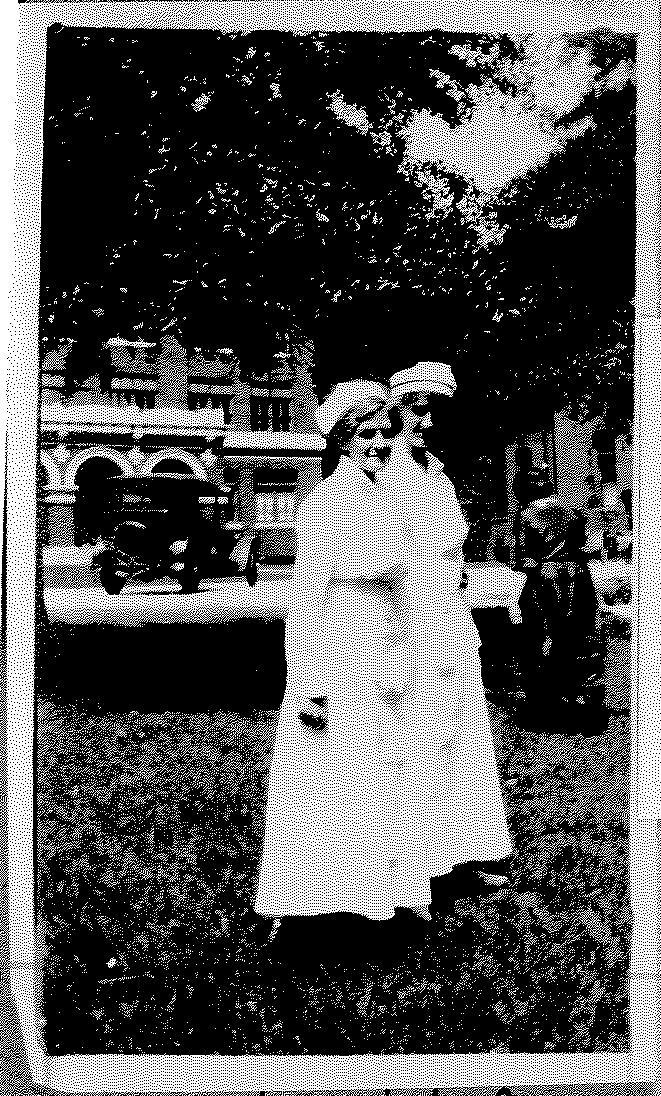
Photo courtesy of Chattanooga Public Library / Harriet Pearson, left, a 1907 graduate of Erlanger Nursing School, was the hospital superintendent from 1914 to 1934. Martha Igou graduated from the school of nursing with her sister, Emma, in 1911. Employed at Erlanger for 50 years, Martha served in a number of supervisory positions. They are pictured here in 1921 strolling the hospital grounds.
Photo courtesy of Chattanooga Public Library / Harriet Pearson, left, a 1907 graduate of Erlanger Nursing School, was the hospital superintendent from 1914 to 1934. Martha Igou graduated from the school of nursing with her sister, Emma, in 1911. Employed at Erlanger for 50 years, Martha served in a number of supervisory positions. They are pictured here in 1921 strolling the hospital grounds. Photo courtesy of Chattanooga Public Library / Harriet Pearson, left, a 1907 graduate of Erlanger Nursing School, was the hospital superintendent from 1914 to 1934. Martha Igou graduated from the school of nursing with her sister, Emma, in 1911. Employed at Erlanger for 50 years, Martha served in a number of supervisory positions. They are pictured here in 1921 strolling the hospital grounds.

Opportunities for nurses expanded rapidly during the first two decades of the 20th century. Schools of nursing opened, and graduates found employment in hospitals, physician offices and the community.

During World War I, nurses deployed to Europe with the Army and the Red Cross, serving on the front lines and in military hospitals.

By 1920, Erlanger School of Nursing graduates numbered 130. They found employment at Erlanger Hospital, as well as private institutions, including Ellis-West Hospital (opened 1902) and Pine Breeze Sanatorium (opened 1919 for the treatment of tuberculosis, a major cause of illness and death).

At the same time, nursing education standards were changing. In 1913, the Erlanger School of Nursing program increased to three years. Admission requirements included one year of high school in addition to statements from a minister attesting to the applicant’s moral character, and a doctor and a dentist certifying their health. Students attended classes three to four hours daily, followed by 12 hours of hospital duty. In 1921, the hospital shift was reduced to eight hours.

During the flu epidemic of 1918, Hamilton County experienced more than 7,000 cases and many deaths. The dead included several nurses, including Erlanger graduate Emma Igou.