
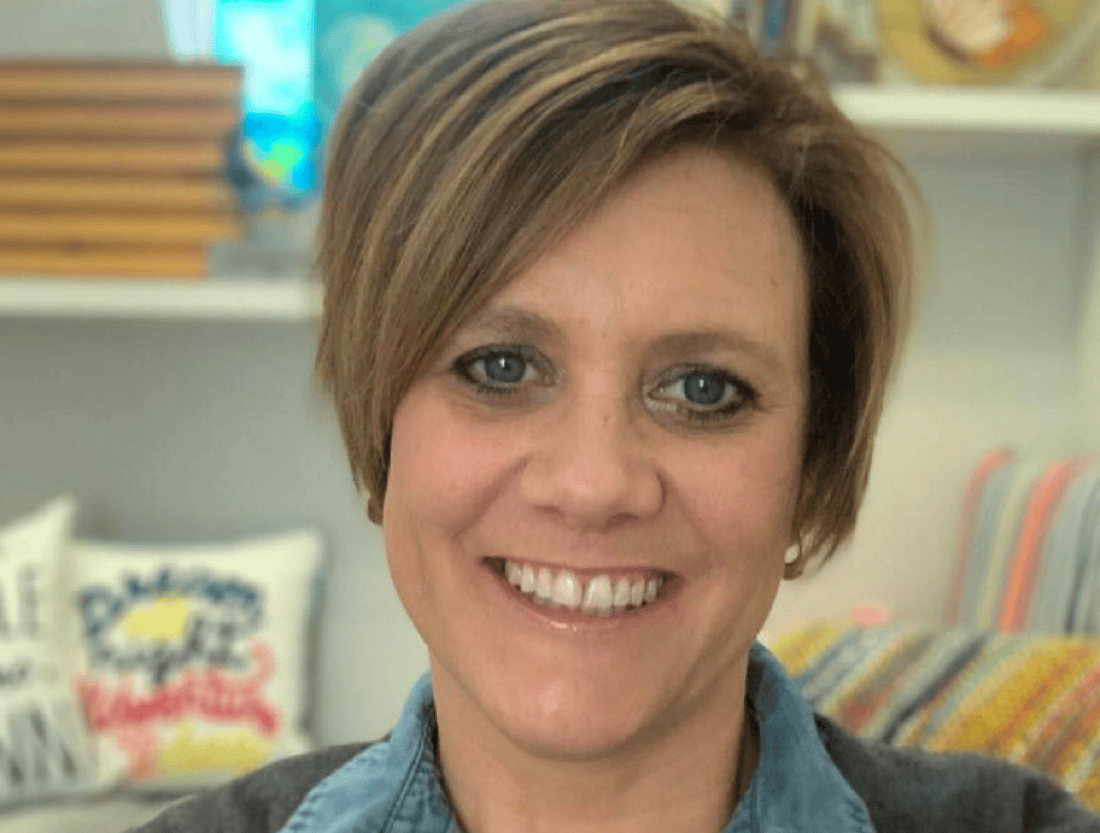
 Contributed photography by Julie Daniel Davis / Julie Daniel Davis
Julie Daniel Davis took early retirement in May from her role leading instructional technology at a local private school, but she’s just getting started when it comes to advocating for technology in education. She’s an adjunct instructor in educational technology at the University of Tennessee at Chattanooga, the host of a weekly podcast on voice technology, a consultant who helps educators integrate technology into their work, and an advocate for teachers with technology developers on their products.
“Many people think that technology has become a substitute for something you can do with paper and pencil,” she says. “For people at large, including educators, to understand the value of technology, they have to think beyond substitution. What can I do with technology that I wasn’t able to do before?”
This interview has been edited for length and clarity.
Q: How has the rise of technology during the pandemic driven demand for your expertise?
A: The voice technology is a passion project for me. I really want to speak in this space. I don’t want voice technology to happen to education – I want educators to have a say. Educators from all around the world would reach out to me, and when you’re working full time it’s hard to find time to help, so I created the podcast. It’s 10 minutes or less each week of me talking about best practices or ways to use it. I have guests on talking about their voice technology skills, so that way when someone contacted me, I could say, ‘Go to episode 102.’ And in the midst of that, I have just as many followers in the voice industry because they’re trying to do things in that space for learning and voice tech. It opened some doors for consulting work there. I believe pandemic times are the best time for using voice. It’s non-touch, it’s meeting families where they are, and the immersion target of people who have voice tech in their homes is large. Now is the time for this technology.