
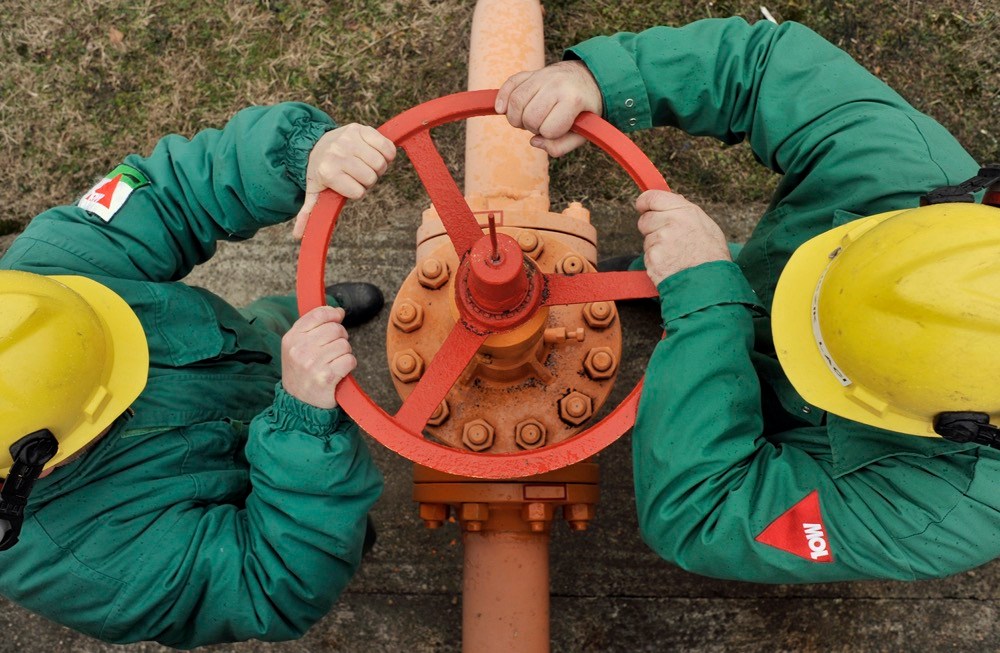
FRANKFURT, Germany (AP) – Europe is short of natural gas – dangerously short. A cold winter could mean a severe crunch, and utility bills are headed higher, burdening ordinary people and weighing on the economic recovery from the coronavirus pandemic.
Russian President Vladimir Putin has promised to help fill European gas storages as energy prices soar – but supply shortages and political tensions have continued to rattle energy markets, keeping prices high. That’s pinched businesses and forced them to pass along costs to customers already facing higher bills at home.
Moscow has been accused of using the volatile situation to push for a quick launch of a newly built Russian pipeline under the Baltic Sea: Nord Stream 2, which is awaiting German regulators’ approval and has been criticized by Ukraine, the U.S. and others.
With Europe dependent on imported gas and Russia supplying 40% or more of those imports, Putin has leverage. He’s said the new pipeline already is filled with gas and could help increase supplies “the day after” it’s approved.
Here are important factors behind the gas crisis: