
Saturday, October 31, 2026Oct 31

This story is free to read.

SpaceX’s returned booster rocket back in hangar

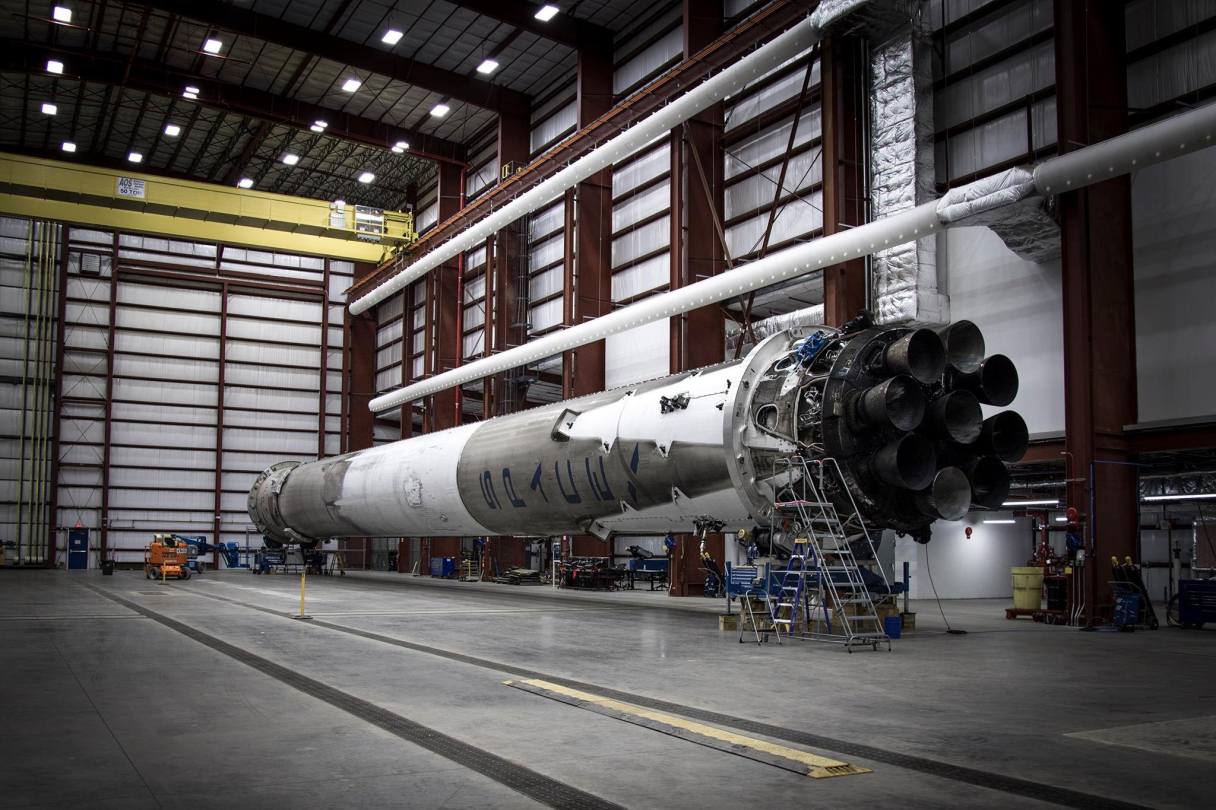
In this Sunday, Jan. 3, 2016, photo, provided by SpaceX, the used Falcon 9 first stage rocket is seen in a hangar at Cape Canaveral, Fla. This represents SpaceX’s first successful fly back and landing of a rocket booster. This leftover booster returned to land, following liftoff on a satellite-delivery mission, on Dec. 21, 2015. (SpaceX via AP)
In this Sunday, Jan. 3, 2016, photo, provided by SpaceX, the used Falcon 9 first stage rocket is seen in a hangar at Cape Canaveral, Fla. This represents SpaceX’s first successful fly back and landing of a rocket booster. This leftover booster returned to land, following liftoff on a satellite-delivery mission, on Dec. 21, 2015. (SpaceX via AP) In this Sunday, Jan. 3, 2016, photo, provided by SpaceX, the used Falcon 9 first stage rocket is seen in a hangar at Cape Canaveral, Fla. This represents SpaceX’s first successful fly back and landing of a rocket booster. This leftover booster returned to land, following liftoff on a satellite-delivery mission, on Dec. 21, 2015. (SpaceX via AP)

CAPE CANAVERAL, Fla. (AP) – SpaceX’s booster rocket, the Falcon, is back in its nest following a historic landing.

The California company led by Elon Musk shared a picture of the returned booster Sunday. The used Falcon 9 is shown on its side inside a hangar at Cape Canaveral, Florida. Musk says no damage was found.

The booster carried satellites aloft Dec. 21, then flew back to its specified landing zone, a first for an orbital mission. It landed upright on legs.

Musk plans to fire the booster again in a test to demonstrate rocket reusability. This particular booster won’t fly again, given its significance. Another booster landing could occur as early as next month on a space station supply run for NASA.

SpaceX wants to reuse rockets to save time and money.