
 Elea Wright
What is the proposed Business Improvement District? That is a good question. Business Improvement Districts, or BIDs, are supposed to be a self-imposed “tax” on property within a specified area that is managed by a private company. It was up for vote in June and did not pass. It then somehow resurrected itself with Councilman Erskine Oglesby presenting it on the agenda as a “resolution” instead of an “ordinance” as a route around the required 364 days before it could be resubmitted by the Tennessee Legislation.
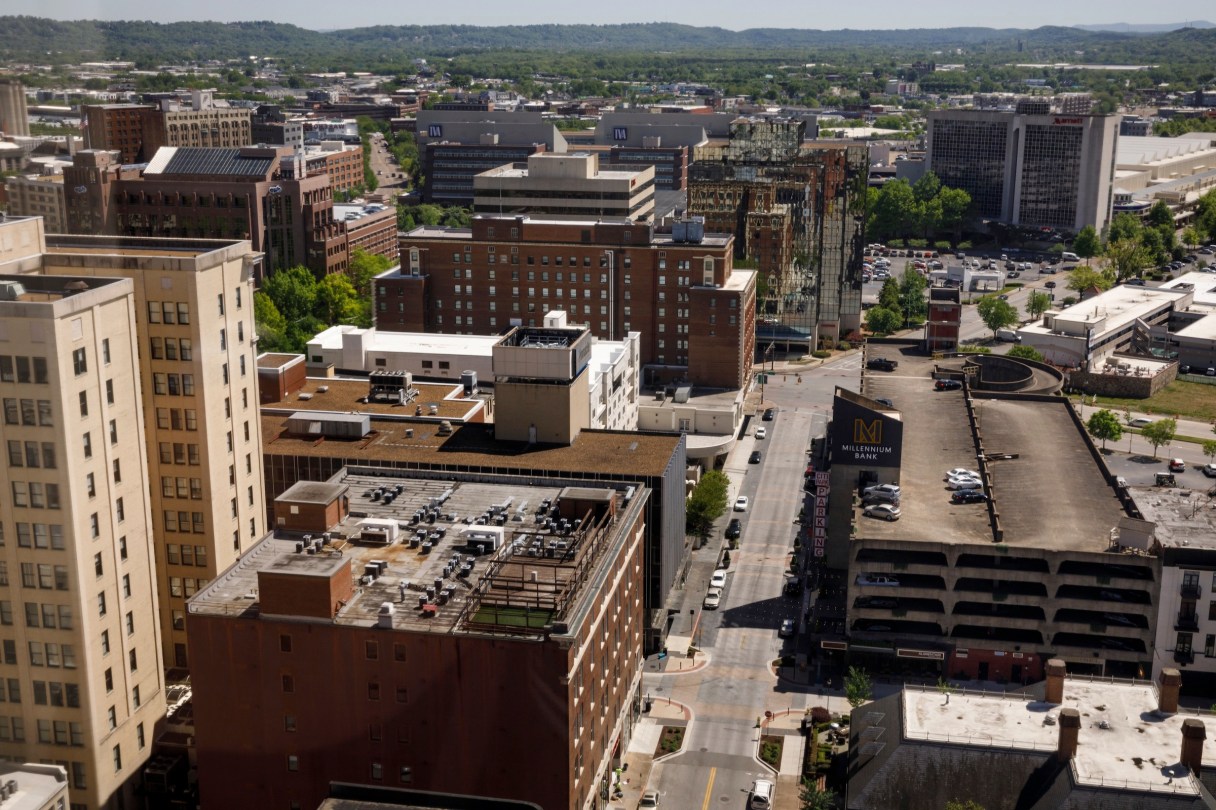
My path to learning more about BIDs has been greeted with hostility, misinformation and avoidance. Who can speak in support or opposition of the BID is restricted. According to the notice on the city council’s website, “All interested persons are invited to attend and express their views” at the public hearings on July 23 and July 30 at 6 p.m. at 1000 Lindsay St. According to Oglesby, only property owners get a say. The city attorney also stated only property owners could speak until there was a challenge that brought up how similar BID public hearings also allowed business owners to speak (including at the first hearing). Regardless, even though a major part of District 8 is being carved out for private interests, District 8 residents are not allowed to speak unless they happen to be in the area and own a building, an area where buildings cost upwards of $1 million dollars.
Considering this issue has mutated with amendments from the previous failed BID only a few weeks ago, I’m starting to question whether there are people aside from those who would financially benefit from this BID who support it. As a Chattanoogan who has spent more than 21 years in the downtown life, I’ve got to ask, has this tax gone from “self-imposed” to simply “imposed?”
Despite the fact that I think everything about Business Improvement Districts is inherently undemocratic and unAmerican (no taxation without representation was the trumpet call for the Revolutionary War, after all) I can see why some folks want the BID to happen. Why wouldn’t you want an area to be obligated to pay for things that only certain unelected board members with no electoral consequences get to decide on without all that pesky government red tape? It is the dream for a private company to get revenue extracted from those tenants who have the tax passed down on them in an area already rife with barriers of entry so as to “beautify” and “secure” downtown. Regardless of the fact that many of those buildings are empty due to the high cost of rent, what River City wants is uncontested power, and no matter what it does for downtown, that is a concern.
Considering that everyone who rents in the proposed district area will pay for this assessment, it seems as if we should be a little worried about why the city council is so desperate to pass this to benefit a private company. This aspect is the reason why some cities such as New York City stop BIDs from forming or expanding, while others like Asheville abandon them almost immediately.