
Friday, October 30, 2026Oct 30

This story is free to read.

Alaskans differ as Senate debates drilling in Arctic refuge

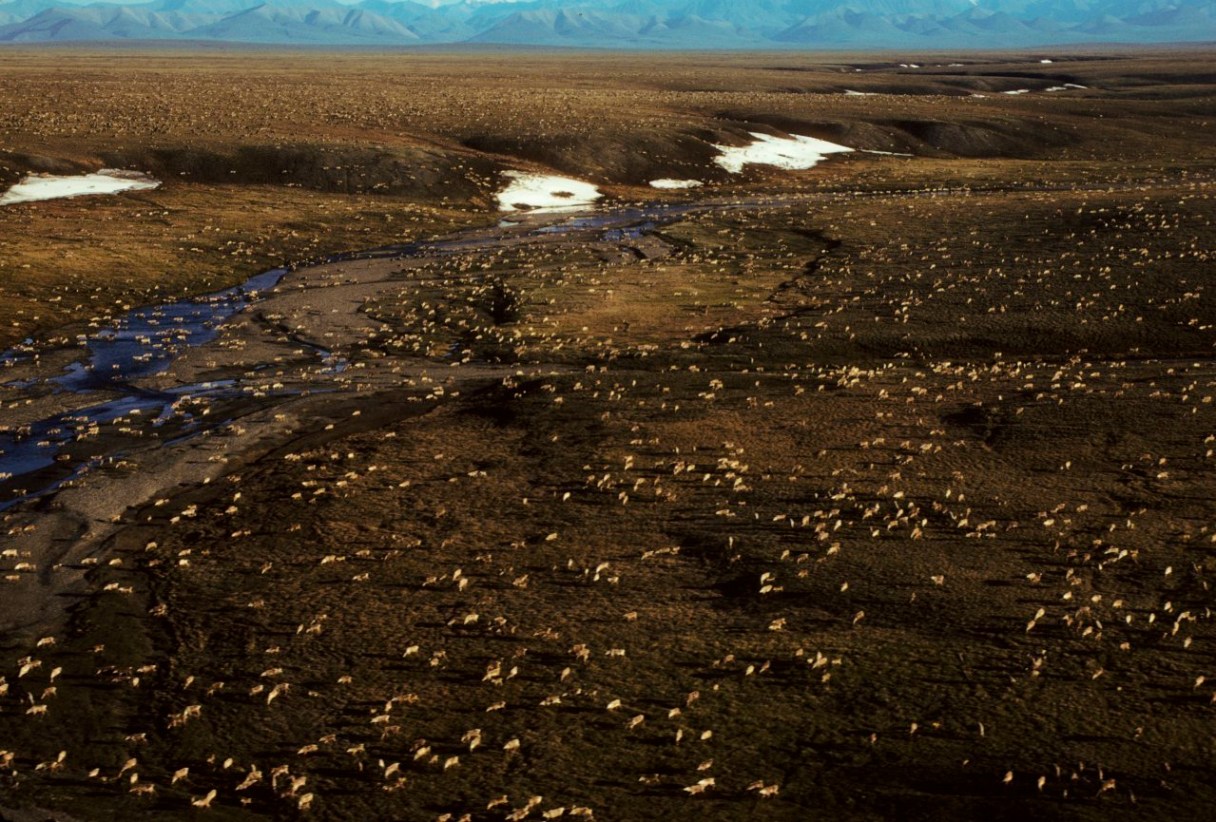
This undated aerial photo provided by U.S. Fish and Wildlife Service shows a herd of caribou on the Arctic National Wildlife Refuge in northeast Alaska. Congress is a step closer to opening Alaska's Arctic National Wildlife Refuge to oil and gas drilling. A budget measure approved by the Republican-controlled Senate allows Congress to pursue legislation allowing oil and gas exploration in the remote refuge on a majority vote. (U.S. Fish and Wildlife Service via AP)
This undated aerial photo provided by U.S. Fish and Wildlife Service shows a herd of caribou on the Arctic National Wildlife Refuge in northeast Alaska. Congress is a step closer to opening Alaska's Arctic National Wildlife Refuge to oil and gas drilling. A budget measure approved by the Republican-controlled Senate allows Congress to pursue legislation allowing oil and gas exploration in the remote refuge on a majority vote. (U.S. Fish and Wildlife Service via AP) This undated aerial photo provided by U.S. Fish and Wildlife Service shows a herd of caribou on the Arctic National Wildlife Refuge in northeast Alaska. Congress is a step closer to opening Alaska's Arctic National Wildlife Refuge to oil and gas drilling. A budget measure approved by the Republican-controlled Senate allows Congress to pursue legislation allowing oil and gas exploration in the remote refuge on a majority vote. (U.S. Fish and Wildlife Service via AP)

WASHINGTON (AP) – Alaskans are bringing the debate over oil drilling in the Arctic National Wildlife Refuge to the U.S. Capitol.

At a hearing on the Hill, Alaska Gov. Bill Walker and Republican lawmakers told a Senate committee that drilling would create jobs and enhance energy security.

Walker and other drilling supporters say they’re confident that a GOP plan to open a small part of the 19-million-acre refuge to drilling would maintain environmental protections and conserve wildlife.

But a leader of an Alaska Native tribe told senators that oil development would threaten the refuge’s pristine coastal plain, “the sacred place where life begins” and home to caribou that provide the tribe’s subsistence.