
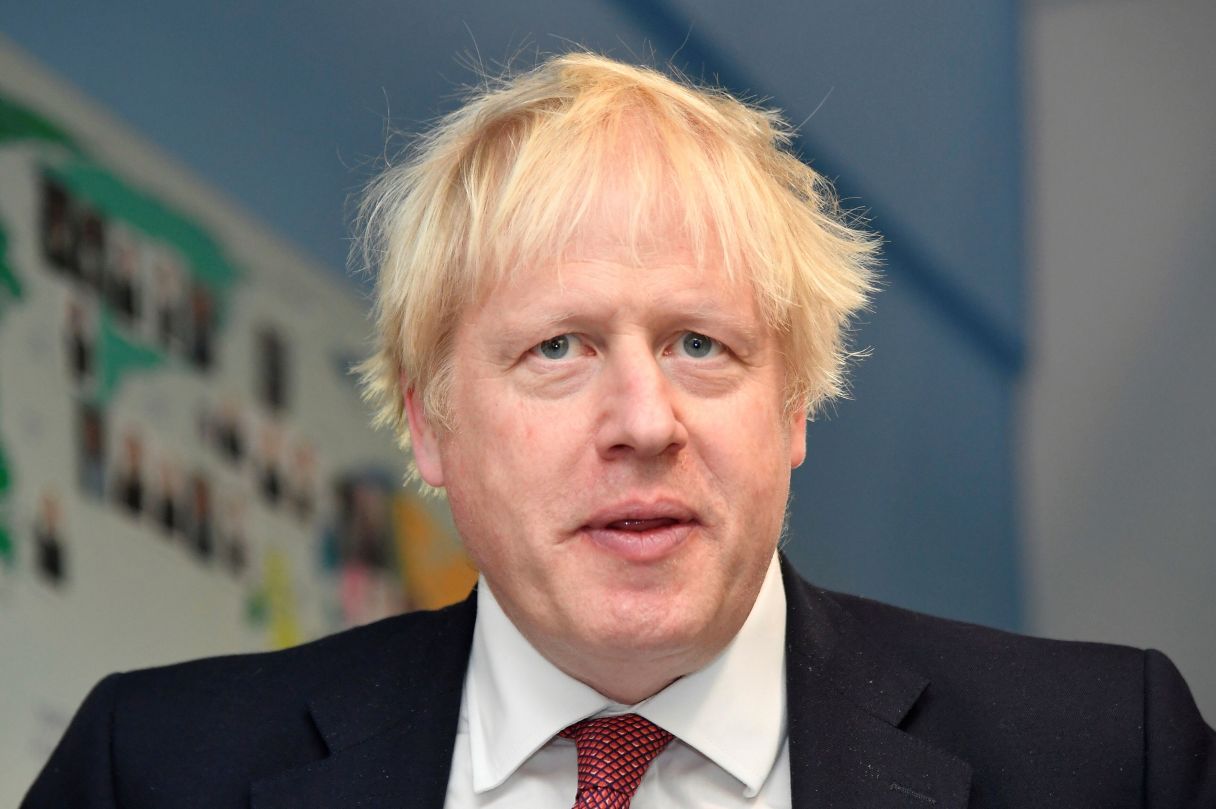
LONDON – British Prime Minister Boris Johnson has lost Parliament. But he could still win a general election if enough voters approve of his determination to make Britain’s departure from the European Union a reality.
The U.K. leader who took office in July failed spectacularly in his first encounter with Parliament, losing six important votes before suspending the legislature for an unexpected five weeks during a crucial period in Britain’s political life. He was unable to convince enough lawmakers to back his call for an early national election, which he hoped would give him a more pliant group of lawmakers.
Despite his inability to get a general election set for mid- October – Parliament voted him down twice on that score – most observers think an early election is now inevitable, in part because Johnson’s Conservative Party has lost its working majority in the House of Commons and no longer has enough votes to pass legislation.
Parliament is now suspended – or prorogued – until Oct. 14, but once its session resumes, most scenarios lead to a cross-party agreement to hold an early election that would test Johnson’s popularity outside Parliament’s Gothic halls in London. Right now the next British election is not scheduled until 2022.
Under a master plan hatched in part by top adviser Dominic Cummings, who played a key role directing pro-Brexit forces during the 2016 referendum campaign on EU membership, Johnson and his team would hope to cast the election as a “people versus Parliament” vote.