
Perhaps there’s something to the adage, “The way to a man’s heart is through his stomach.” For millennia cultures all over the world have attempted to use food to stir ardor. Perhaps the most famous aphrodisiac is the oyster; Casanova was rumored to have eaten 50 for breakfast each day.
But what about less flirtatious vegetables like mangoes or the modest beet? In India men are prescribed mango therapy to increase virility, according to Amy Reiley, master of gastronomy and author of “Fork Me, Spoon Me: the sensual cookbook.” Reiley also documents the romantic power of beets, which has been unearthed in suggestive murals among the ruins of Pompeii. The British government in 2003 awarded a farmer a grant to market beetroot as the new secret to vitality. Aphrodisiacs almost lost their mojo in 1989, however, when the U.S. Food and Drug Administration dismissed them as nothing more than folklore. But for every scientific study that debunks their efficacy, another supports them. What nutritionist doesn’t know about the rare amino acids found in oysters that increase levels of sex hormones?
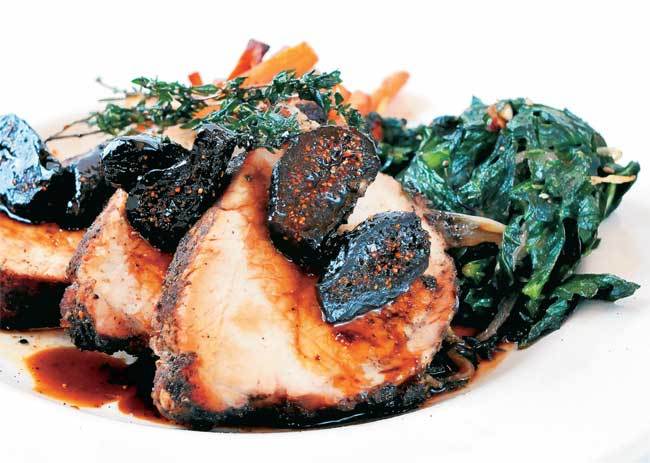
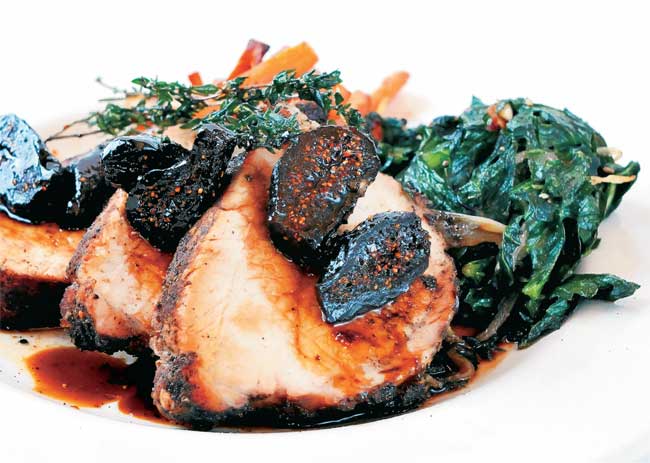
But who needs science when it comes to seduction? Named for Aphrodite, the Goddess of Love, aphrodisiacs have been documented as far back as the first century AD by ancient Greeks Pliny and Dioscordes. Appropriately, Chatter turned to local Greek chef Nick Kyriakidis of Niko’s to create a Valentine meal that is as sensuous as it is sumptuous. With at least three aphrodisiacs per course, this “appetite”-inducing menu just might tempt more than your taste buds.
First Course:
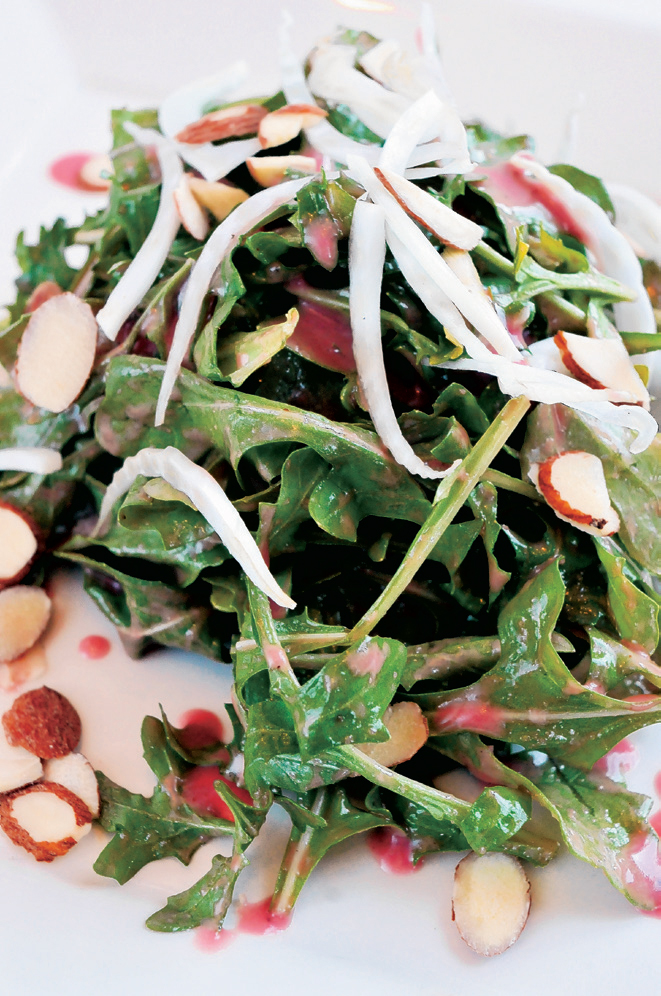
Arugula Salad with almond slivers, shaved fennel and raspberry white balsamic vinaigrette
Arugula
