
Q: My mother can no longer control her bowel movements. Are there treatment options for fecal incontinence?
A: Incontinence of stool is a common problem. It is the loss or imperfect control of gas or stool. Its severity ranges from mild difficulty with gas control to severe loss of control over liquid and formed stools.
There are many causes. Injury during childbirth is one of the most common causes. These injuries may cause a separation in the anal muscles and decrease in muscle strength. The nerves supplying the anal muscles may also be injured. While some injuries may be recognized immediately following childbirth, many others may go unnoticed and not become a problem until later in life.
In addition, as people age, they experience loss of strength in the anal muscles. As a result, a minor problem in a younger person may become more significant later in life. One instance is weakness of the sphincter after anorectal surgery or gynecologic surgery. There are many other reasons, which can be assessed by a specialist in pelvic floor issues. Frequently, additional studies are required to define the problem more completely.
Mild problems may be treated very simply with dietary changes and the use of some over-the counter medications. Your physician also may recommend simple home exercises that may strengthen the anal muscles to help in mild cases. Prescription medications are also available. Physical therapy of the pelvic floor or bottom, called “biofeedback,” can be used to retrain the muscles of this area and strengthen them.
In the past, patients with no hope of regaining bowel control required a colostomy. Today, this procedure is rarely required. Some of the more current options include repair of the damaged sphincter muscle, injectable anal canal filling material, the sacral nerve stimulator and an artificial anal muscle. Many of these are outpatient surgical options. You should consult a specialist, like a colorectal surgeon, for more information.
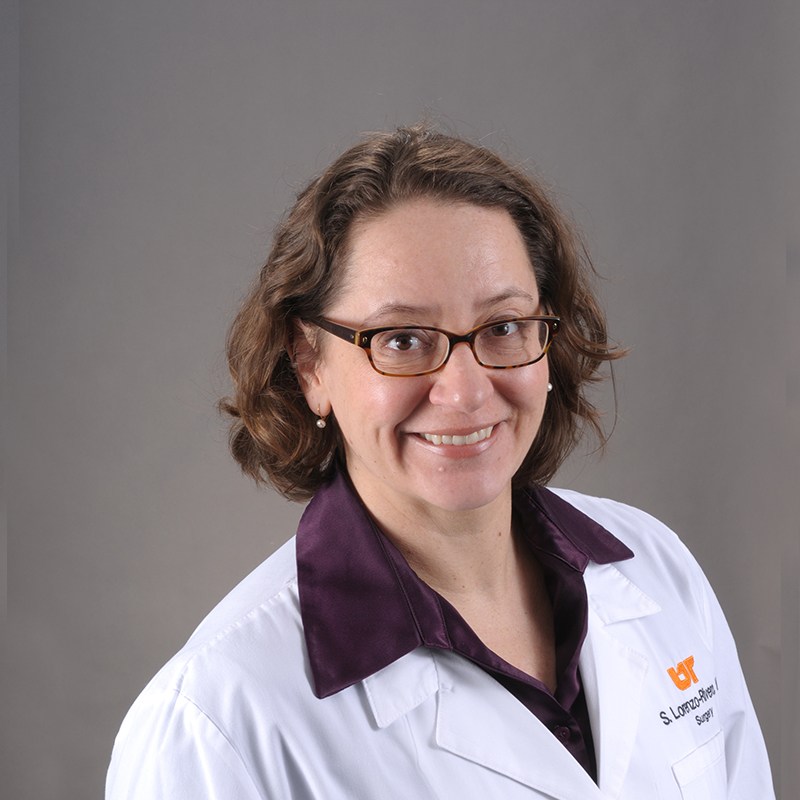
Shauna Lorenzo-Rivero, M.D., is a colorectal surgeon at University Surgical Associates and a member of the Chattanooga-Hamilton County Medical Society.
 Contributed Photo / Shauna Lorenzo-Rivero