
Friday, October 30, 2026Oct 30

This story is free to read.

Scientists ask bird oglers to help study puffins

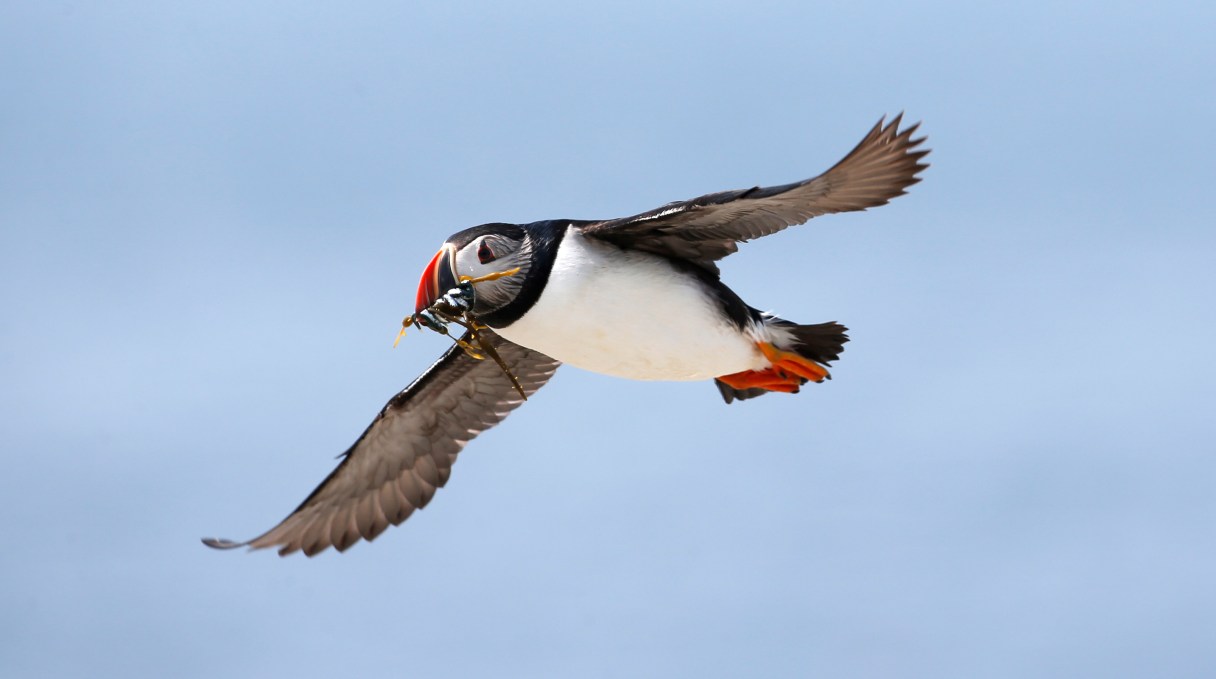
In this photo made Friday, Aug. 1, 2014, an Atlantic puffin flies back to its burrow after catching a beak full of small fish to feed its chicks on Eastern Egg Rock, a small island off the coast of Maine. The Audubon Society, which maintains three web cameras on another island, wants bird lovers to contribute research to a project scientists hope will help save Atlantic puffins in Maine. (AP Photo/Robert F. Bukaty)
In this photo made Friday, Aug. 1, 2014, an Atlantic puffin flies back to its burrow after catching a beak full of small fish to feed its chicks on Eastern Egg Rock, a small island off the coast of Maine. The Audubon Society, which maintains three web cameras on another island, wants bird lovers to contribute research to a project scientists hope will help save Atlantic puffins in Maine. (AP Photo/Robert F. Bukaty) In this photo made Friday, Aug. 1, 2014, an Atlantic puffin flies back to its burrow after catching a beak full of small fish to feed its chicks on Eastern Egg Rock, a small island off the coast of Maine. The Audubon Society, which maintains three web cameras on another island, wants bird lovers to contribute research to a project scientists hope will help save Atlantic puffins in Maine. (AP Photo/Robert F. Bukaty)

EASTERN EGG ROCK, Maine (AP) – Wanted: puffinologists. No experience necessary.

The Audubon Society wants bird lovers to contribute research to a project scientists hope will help save Atlantic puffins from starvation in Maine.

There are about 1,000 pairs of the seabirds, known for their multi-colored beaks and clownish appearance, in Maine. Audubon says the number of puffin fledging chicks has declined in the last two years, possibly because their key food source, herring and hake, are leaving for cooler waters. Puffins are on the state’s threatened species list.

Audubon maintains three web cameras on Seal Island, a National Wildlife Refuge in outer Penobscot Bay, 22 miles off Rockland and one of the key puffin habitats in Maine. Volunteers are being asked to watch the puffins feed and answer questions about their feeding behavior, said Steve Kress, director of the National Audubon Society’s seabird restoration program.

From 2007-2011, Kress said that 77 percent of puffin pairs on Seal Island produced fledglings, or birds that are able to fly. The number declined to 31 percent in 2012 and 10 percent in 2013 and while 2014 “appears to be better,” he said, it’s too early to tell.