
Monday, November 16, 2026Nov 16

Energy-rich Russia pays little attention to climate change

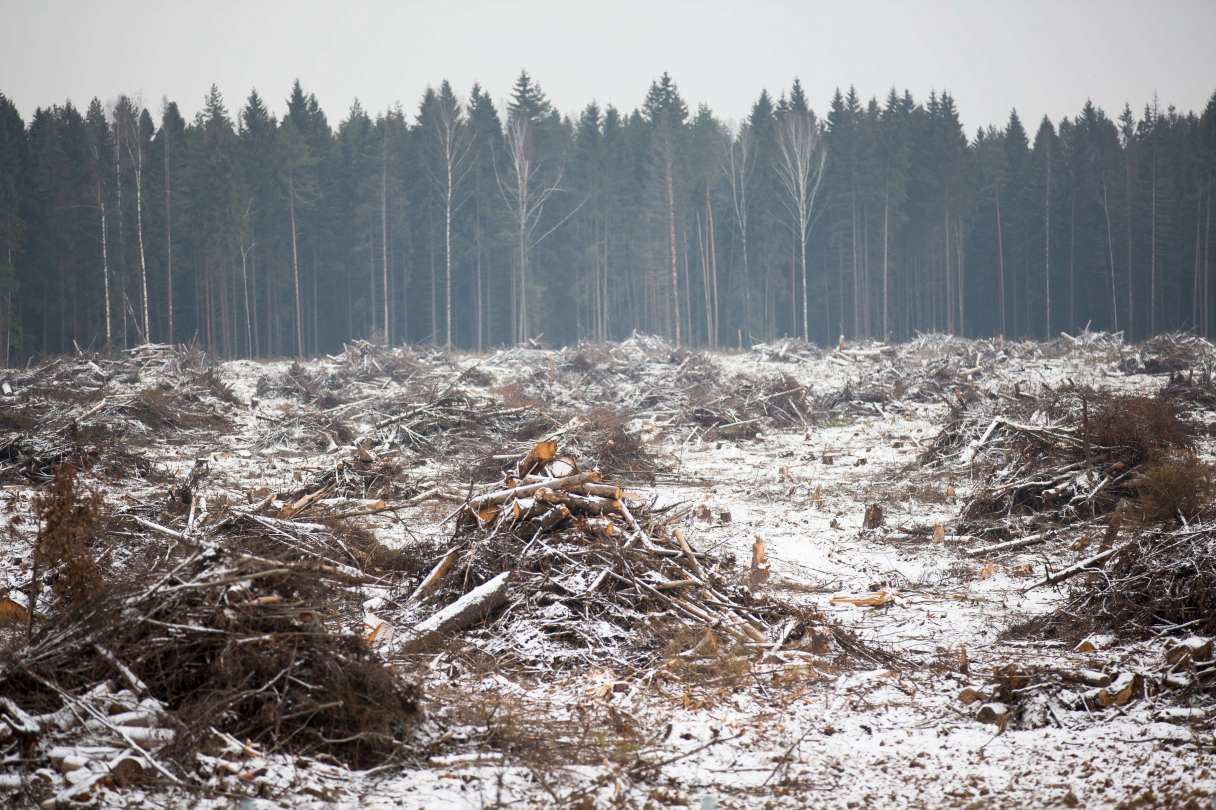
Trees are cut along a construction site of a new highway in Moscow region in this Tuesday, Nov. 17, 2015 photo. As the climate warms, moisture levels are changing with wet areas becoming wetter and dry areas drier. Russia is the fastest warming part of the world, according to a report from the country’s weather monitoring agency. The steady rise in temperatures puts Siberia- known for its long winters and lush forests- at risk to natural disasters, such forest fires. (AP Photo/Alexander Zemlianichenko)

MOSCOW (AP) – When forest fires roared through Siberia this summer, so vast that the smoke blocked vast Lake Baikal from satellite view, Russian officials blamed the blazes on arsonists and disorganized fire crews. Environmentalists say there was another culprit: global warming.

As temperatures rise worldwide, areas such as Siberia are suffering increasingly long dry spells. Russia’s national weather agency says the country is the fastest-warming part of the world.

But Russia has taken little action to reduce its own emissions of the greenhouse gases believed to be behind the warming and at next week’s international climate conference in Paris it aims to push a proposal that would allow its emissions to increase.

To Vladimir Churpov of Greenpeace Russia, the country’s leadership is obtuse and in denial.

“Of course the forest won’t burn if it’s not set on fire, but the unusually dry environment and high temperatures – that’s global warming,” he said. “The fact that the fires burned for so long, that’s because the government can’t adapt to the new demands of a warming climate.”