
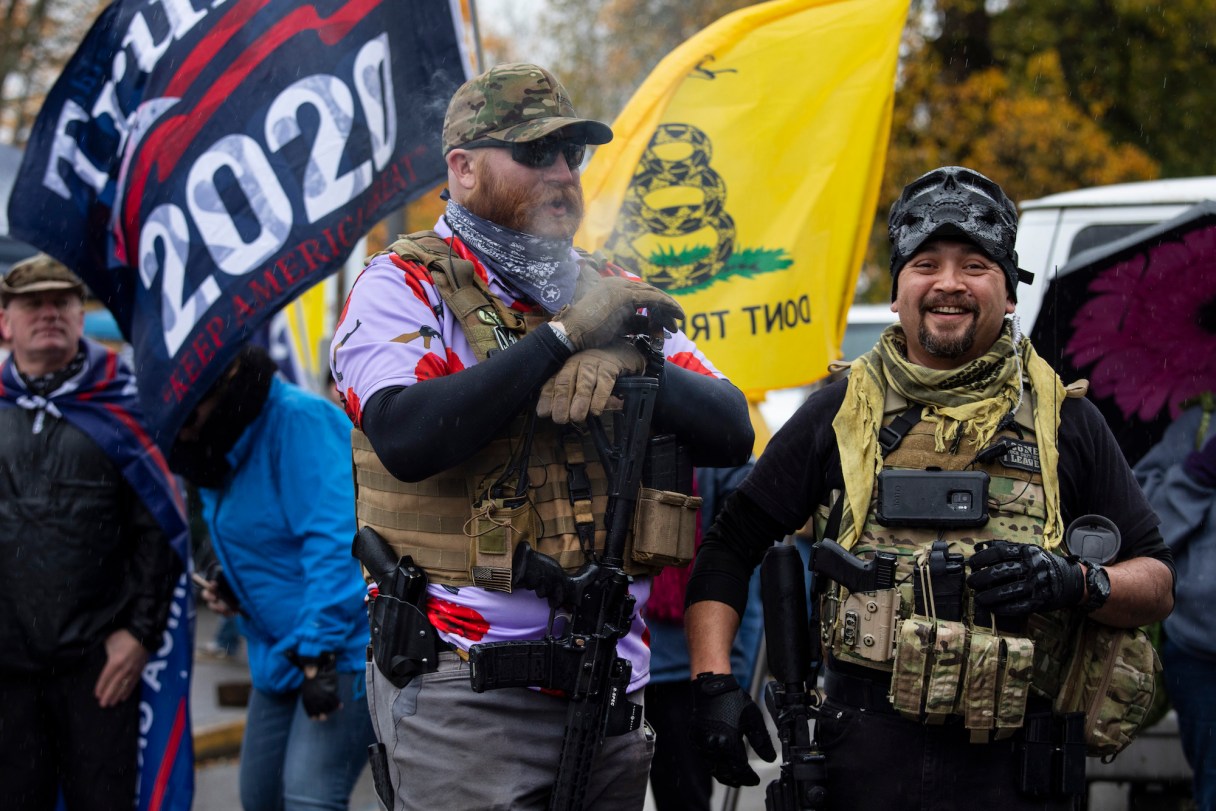
A month after the presidential election, President Donald Trump’s claim that the election was rigged to benefit Joe Biden has been debunked by numerous Republican state elections officials. Dozens of lawsuits filed by the Trump campaign and its proxies have been rejected by judges in both state and federal courts. There is no evidence to support any of the campaign’s baseless charges of election fraud, though its power to undermine faith in American democracy is real.
Yet millions of Americans – including about 70% to 80% of Republicans – believe the election was stolen. Why?
One standard answer is that Trump’s backers will believe anything he says. Another perspective, popular among some psychologists, is that people filter ambiguous information through an ideological lens, preferring interpretations that favor their political affiliations.
But in this case, these explanations seem insufficient. People follow charismatic leaders and selectively process political information, but they do not typically cling to a belief that contradicts all available evidence.
Understanding the fallout from the intense polarization of this election will take time. But research into social and political psychology can offer some insight into this response from Trump supporters.