

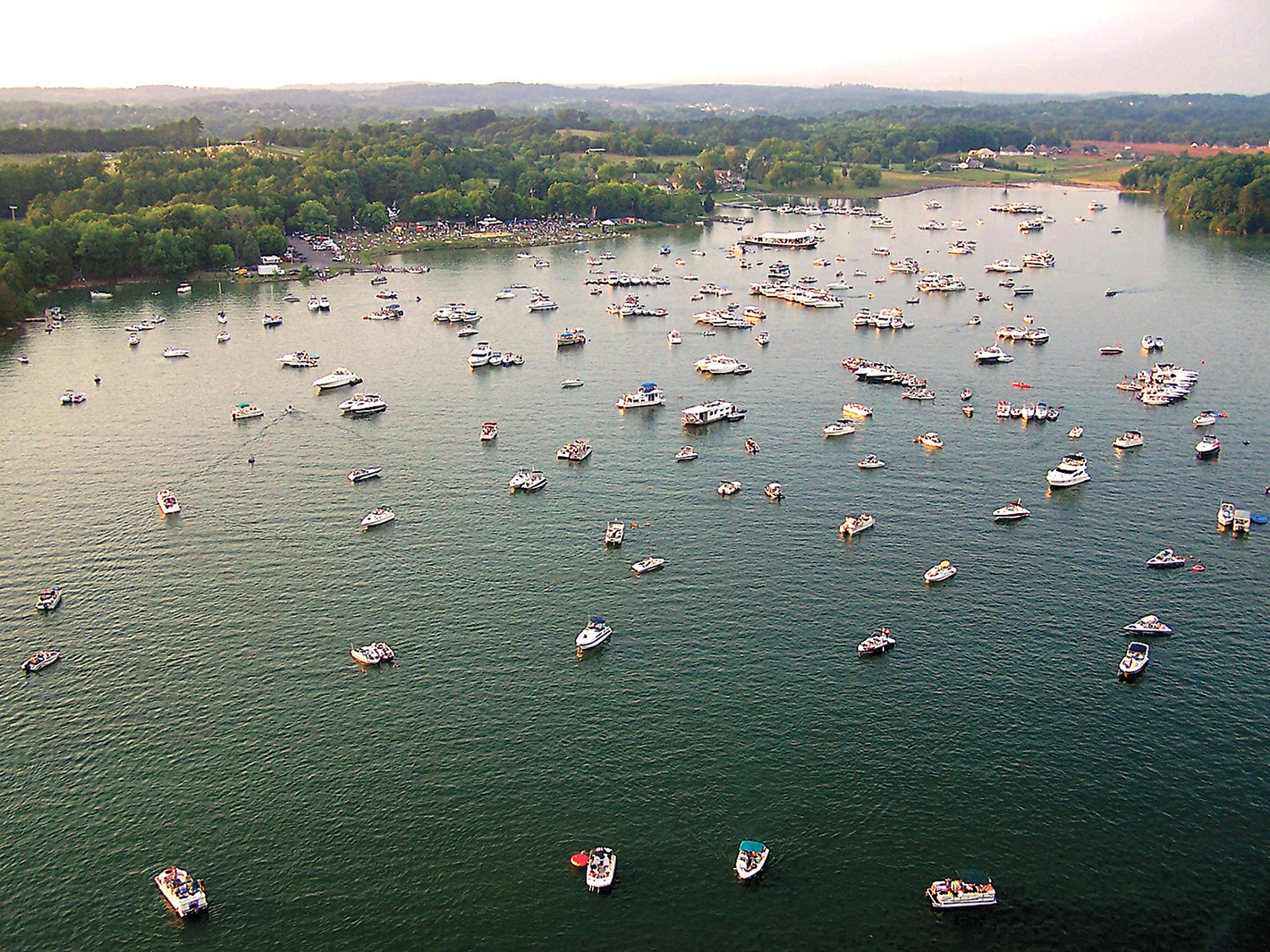

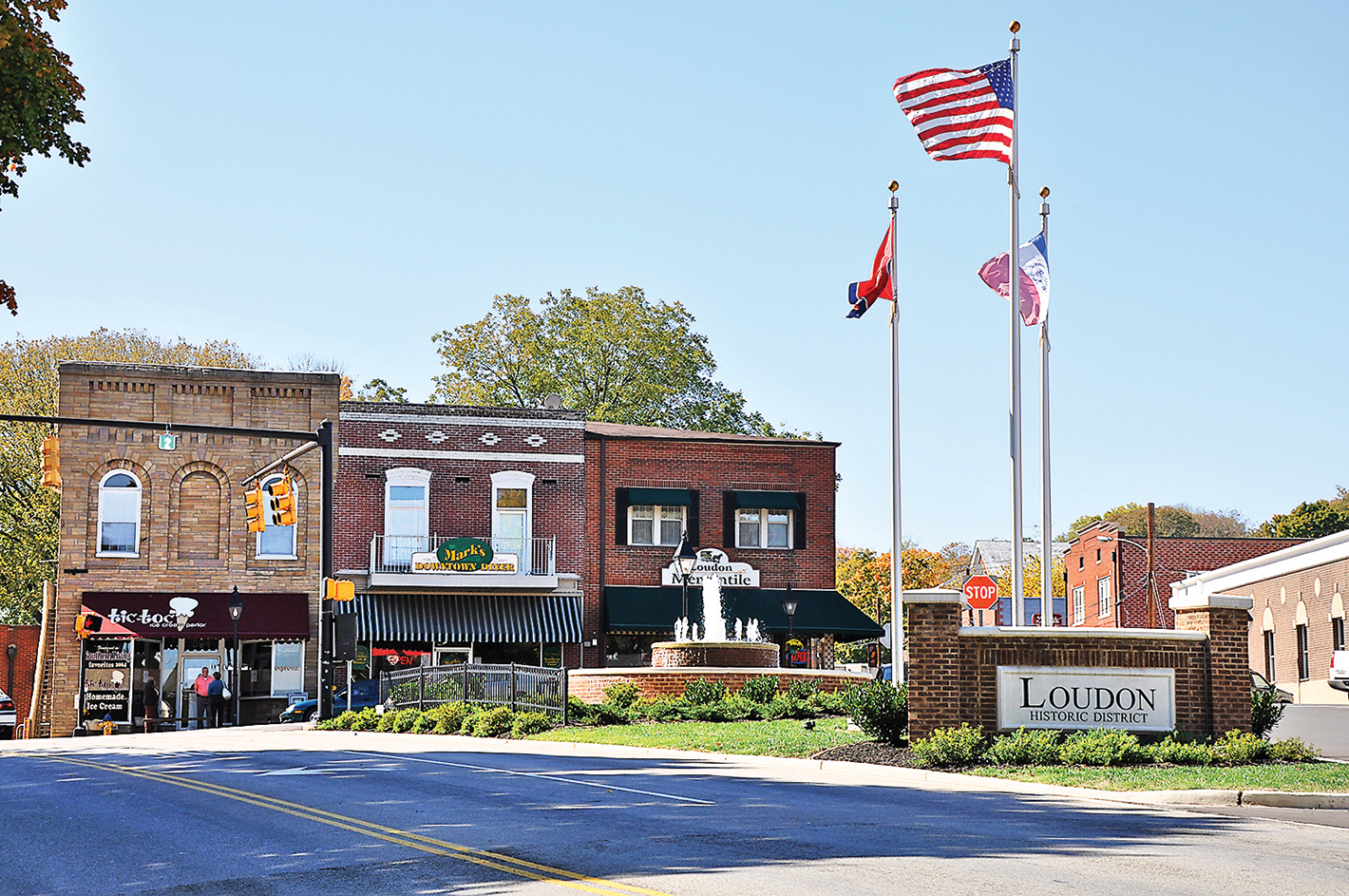
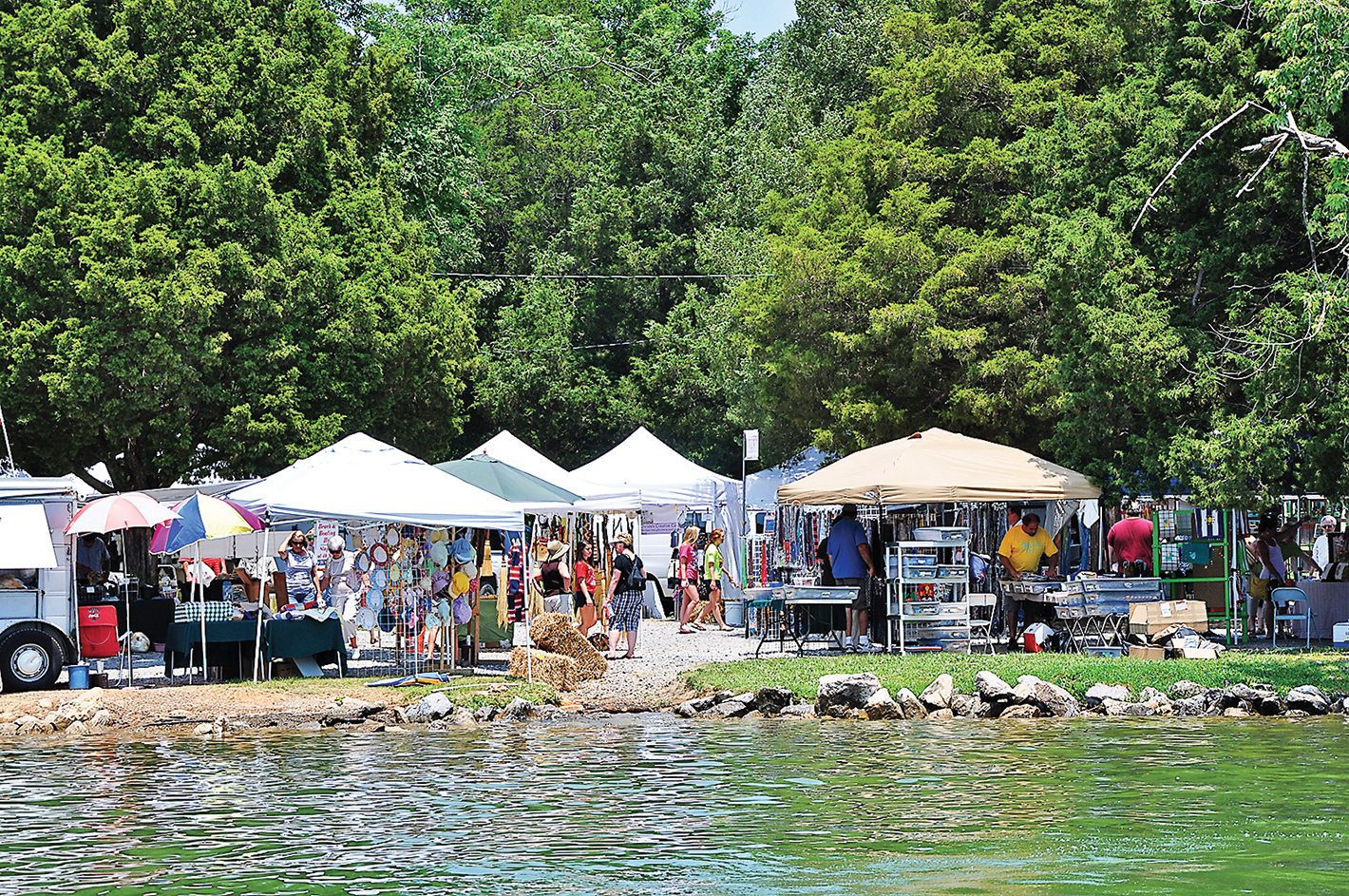


With lakes, lakes and more lakes in and around Loudon County, it’s no wonder it’s touted as the “lakeway to the Smokies.”
Embracing the East Tennessee county are Fort Loudoun, Tellico, Watts Bar and Melton Hill lakes. In addition, the Tennessee and Clinch rivers traverse the county, letting people enjoy lakeside parks, boating, fishing, hiking and many other relaxing activities. The county also is close to Great Smoky Mountains National Park.
Visitors to Loudon County can enjoy top-notch SEC sports at the nearby University of Tennessee, AA baseball, minor league hockey or dirt track racing.
Loudon County was formed on May 27, 1870, from portions of Roane, Monroe and Blount counties. Originally, it was named Christiana County, but a few days later the name was changed to Loudon in honor of nearby colonial Fort Loudoun.
More Info
CIVIL WARLoudon County and surrounding areas have many landmarks representing the sites of significant Civil War battles. Several standing structures were used as hospitals during the Civil War. According to legend, Rhett Butler from Margaret Mitchell’s “Gone With the Wind” is based on Loudon County resident R.T. Wilson.
More Info
PHILADELPHIAPhiladelphia is one of the oldest towns in the state. A fairly accurate estimate of its origin dates it to April 1822, though it’s possible the town was originally laid out in the fall of 1821. Sweetwater Valley Farm is located between Philadelphia and Loudon in the heart of the dairy-rich Sweetwater Valley. On days that the weather permits, visitors can go on a walking tour to see the dairy and learn about the process of turning milk into cheese.
More Info
LENOIR CITYLenoir City is a full-service site on the outskirts of metropolitan Knoxville. It has a strong commercial base on Highway 321 coupled with a historic downtown area. Lenoir City is nationally known as the “Lake Capital of the South.”
More Info
FORT LOUDOUNThe first British fort west of the Appalachians was built in 1756 as an outpost in the French and Indian War. Later, in 1794, the Tellico Blockhouse was constructed by the U.S. government across a river from the Cherokee lands to help keep peace between the Indians and the influx of white settlers.
More Info
GREENBACKThe town of Greenback is relatively young compared to significant historical sites in the area. The land along the Little Tennessee River was a major center for Native American cultures long before European settlers entered the region. For thousands of years, Native Americans hunted and camped along the banks of the river. The Icehouse Bottom site, located a few miles southwest of Greenback, is believed to have been inhabited as early as 9,000 years ago, making it one of the oldest known habitation sites in Tennessee.