
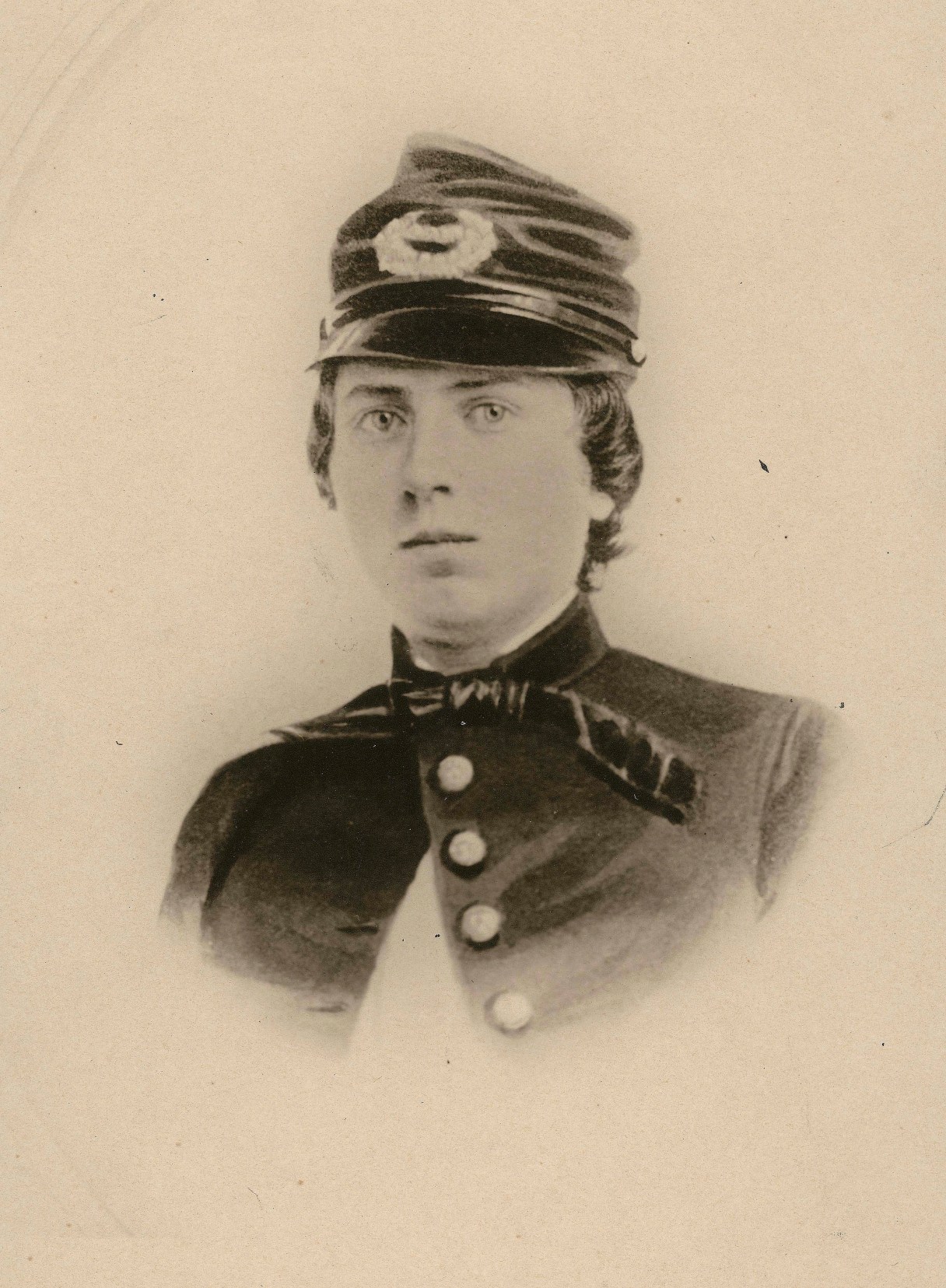
WASHINGTON (AP) – A Union Army officer who stood his ground during the Battle of Gettysburg and paid with his life is receiving the nation’s highest military honor from President Barack Obama.
Obama on Thursday was bestowing the Medal of Honor on 1st Lt. Alonzo H. Cushing, who was killed in July 1863 during the three-day battle near the Pennsylvania town. The battle often is described as the turning point of the Civil War.
Congress granted an exemption for Cushing’s posthumous honor. Recommendations normally must be made within two years of an act of heroism, and the medal presented within three.
Cushing was born in Delafield, Wisconsin, raised in Fredonia, New York, and buried at his alma mater, the U.S. Military Academy at West Point, after his death at age 22. He commanded about 110 men and six cannons, defending the Union position on Cemetery Ridge against Pickett’s Charge, a major Confederate thrust that was repelled by Union forces.
On the third day of battle, Cushing’s small force stood its ground under severe artillery bombardment and an assault by nearly 13,000 advancing Confederate infantrymen. Wounded in the stomach and right shoulder, Cushing refused to move to the rear despite his wounds and insisted on ordering his guns to the front lines.