
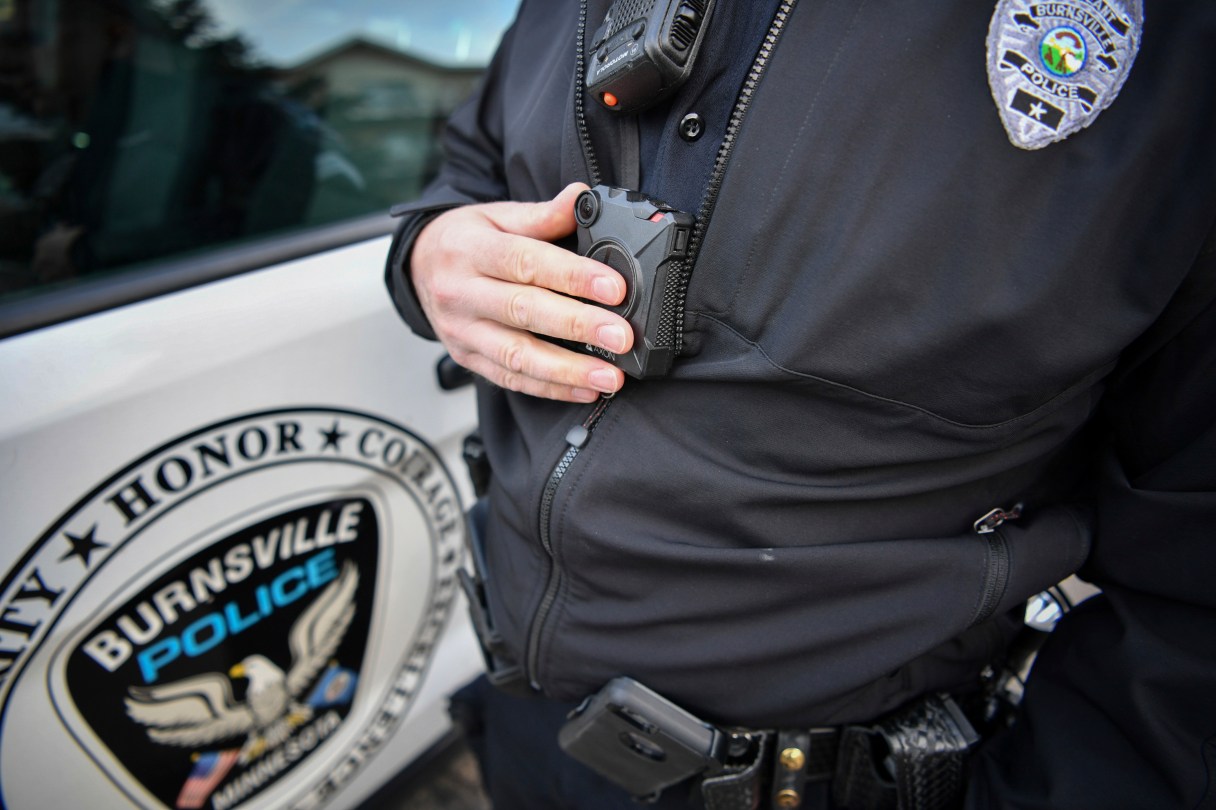
MINNEAPOLIS (AP) – Police and protesters heralded the arrival of the body camera as a critical window into officers’ everyday activities after the unrest in Ferguson, Missouri.
But as the killing of an Australian woman by a Minneapolis officer over the weekend showed, the technology depends on officers turning on their devices. And often they don’t do so.
Officer Mohamed Noor fatally shot 40-year-old Justine Damond on Saturday night while responding to an emergency call Damond placed to report a possible sexual assault near her house. Like the rest of the city’s officers, both Noor and his partner had body cameras but didn’t turn them on until after the shooting. It’s not clear why the officers hadn’t switched on their cameras.
Damond’s death offered a tragic example of a common problem departments have grappled with in the rush to equip officers with body cameras. Though millions of dollars in federal and state grants have helped make the cameras standard equipment in major cities, their effectiveness still often depends on the officers who wear them.
A Department of Justice Investigation chided police officers in Albuquerque, New Mexico – an early adopter of the technology – for failing to turn on their cameras, citing a lack of both training and supervisor enforcement. An outside investigator found that Denver police officers captured just 1 in 4 use-of-force incidents during a 2014 pilot project, due in large part to officers forgetting to turn their cameras on.