
Thursday, October 29, 2026Oct 29

This story is free to read.

Chelsea Manning: a potent symbol for transgender Americans

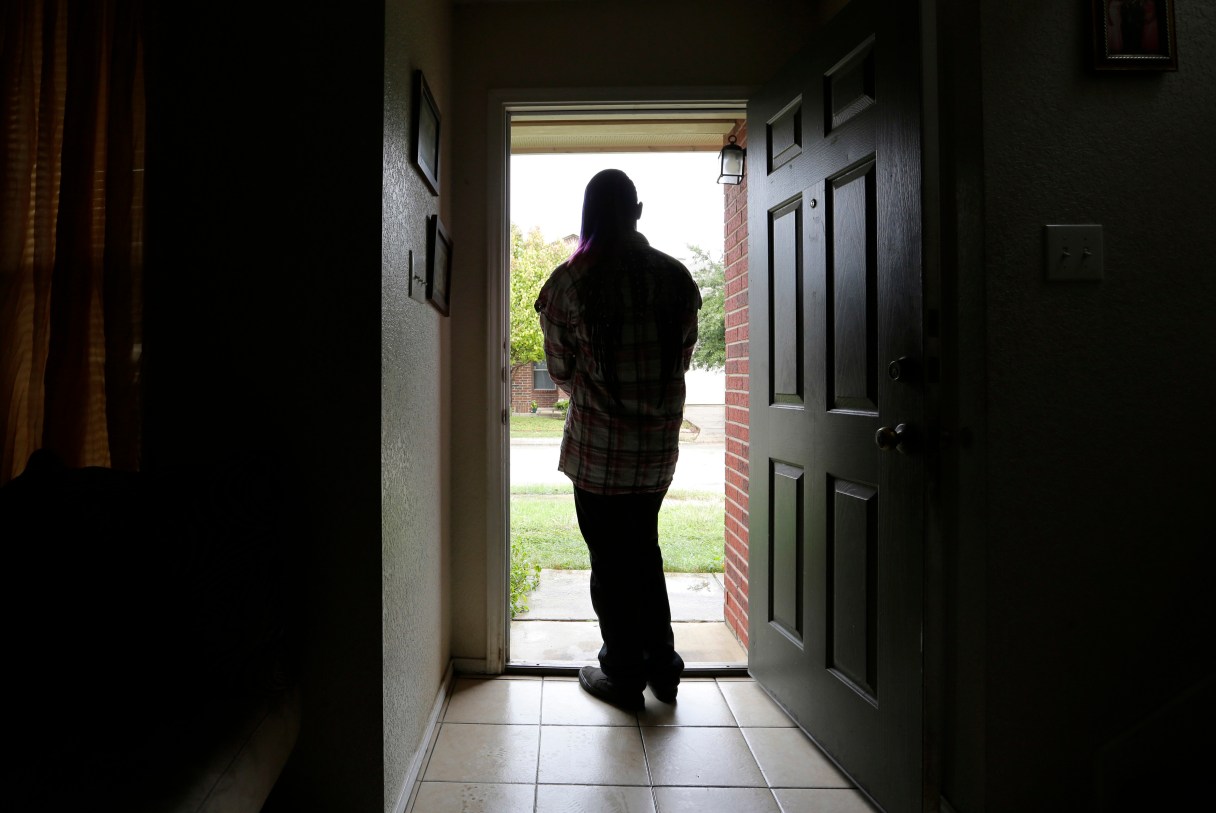
FILE - In this Monday, Dec. 5, 2016 file photo, a 19-year-old transgender teen, who declined to be identified because she feared for her life after receiving death threats earlier in the year at a halfway house, poses for a photo in Texas. Advocates say the nation's juvenile detention centers are largely ill-equipped to house transgender young people, leaving them vulnerable to bullying, sexual assault, depression and suicide. (AP Photo/Eric Gay)
FILE - In this Monday, Dec. 5, 2016 file photo, a 19-year-old transgender teen, who declined to be identified because she feared for her life after receiving death threats earlier in the year at a halfway house, poses for a photo in Texas. Advocates say the nation's juvenile detention centers are largely ill-equipped to house transgender young people, leaving them vulnerable to bullying, sexual assault, depression and suicide. (AP Photo/Eric Gay) FILE - In this Monday, Dec. 5, 2016 file photo, a 19-year-old transgender teen, who declined to be identified because she feared for her life after receiving death threats earlier in the year at a halfway house, poses for a photo in Texas. Advocates say the nation's juvenile detention centers are largely ill-equipped to house transgender young people, leaving them vulnerable to bullying, sexual assault, depression and suicide. (AP Photo/Eric Gay)

NEW YORK (AP) – For most Americans, Chelsea Manning has been a hero or villain based on how they view her decision to leak classified material. For transgender people, she has another dimension – serving as a potent symbol of their struggles for acceptance.

With Tuesday’s commutation of her prison sentence by President Barack Obama, she’s now due for release in May, when she will re-enter a society bitterly divided over many aspects of transgender rights.

Known as Bradley Manning at the time of her 2010 arrest, Manning came out as transgender after being sentenced to 35 years in an all-male military prison. Under Army rules, she was barred from growing her hair long while incarcerated, and only after litigation by her legal team was she approved for hormone therapy.

She spent long stints in solitary confinement, and twice tried to kill herself.

Chase Strangio, the American Civil Liberties Union attorney who filed the medical-care lawsuit, said Manning has viewed herself as a transgender-rights activist even in the isolation of her confinement at Fort Leavenworth.