
Friday, October 30, 2026Oct 30

This story is free to read.

Irma eyes long-feared path: Straight through Florida

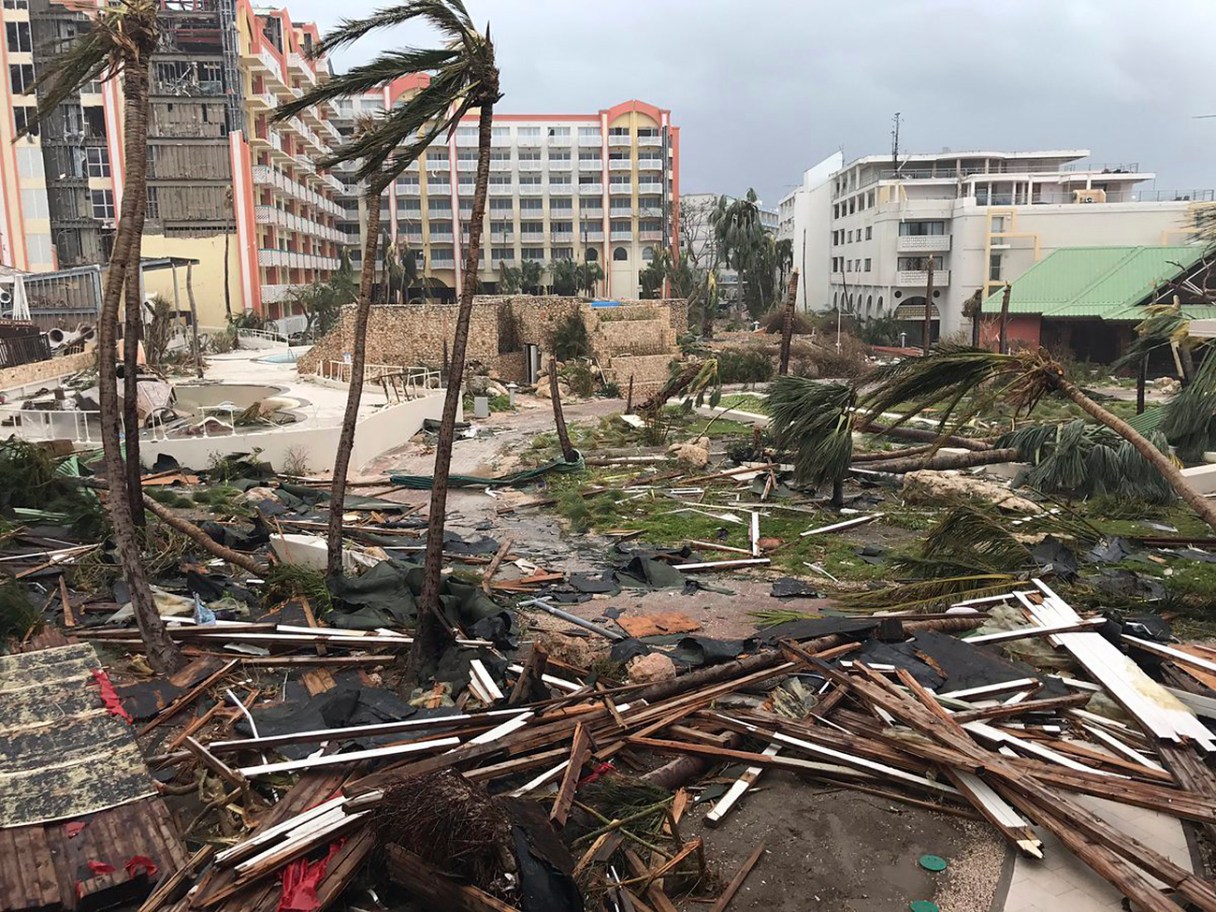
This Sept. 6, 2017 photo shows storm damage in the aftermath of Hurricane Irma in St. Martin. Irma cut a path of devastation across the northern Caribbean, leaving thousands homeless after destroying buildings and uprooting trees. Significant damage was reported on the island known as St. Martin in English which is divided between French Saint-Martin and Dutch Sint Maarten. (Jonathan Falwell via AP)
This Sept. 6, 2017 photo shows storm damage in the aftermath of Hurricane Irma in St. Martin. Irma cut a path of devastation across the northern Caribbean, leaving thousands homeless after destroying buildings and uprooting trees. Significant damage was reported on the island known as St. Martin in English which is divided between French Saint-Martin and Dutch Sint Maarten. (Jonathan Falwell via AP) This Sept. 6, 2017 photo shows storm damage in the aftermath of Hurricane Irma in St. Martin. Irma cut a path of devastation across the northern Caribbean, leaving thousands homeless after destroying buildings and uprooting trees. Significant damage was reported on the island known as St. Martin in English which is divided between French Saint-Martin and Dutch Sint Maarten. (Jonathan Falwell via AP)

MIAMI (AP) – Irma aimed its sights on millions of homes and businesses in Florida and officials warned that time was running out to evacuate ahead of the deadly hurricane, which was headed Friday on a long-feared path right through the heart of the peninsula.

By early Friday evening, Irma had maximum sustained winds of 155 mph (250 kph) – just below the highest Category 5 status – and is forecast to remain at about that strength when it comes ashore someplace south of Miami on Sunday morning.

Forecasters predicted it would regain the coveted Category 5 status as it approached Key West and they adjusted the storm’s potential track more toward the west coast of Florida, away from the Miami metropolitan area of 6 million people.

“Overall, I think it’s a less costly, a less deadly storm on the west coast than the east coast, mostly because there’s fewer people,” University of Miami researcher Brian McNoldy said.

Either way, the storm promises to be a big test for a state that has undergone rapid development and more stringent hurricane-proof building codes in the last decade or so.