
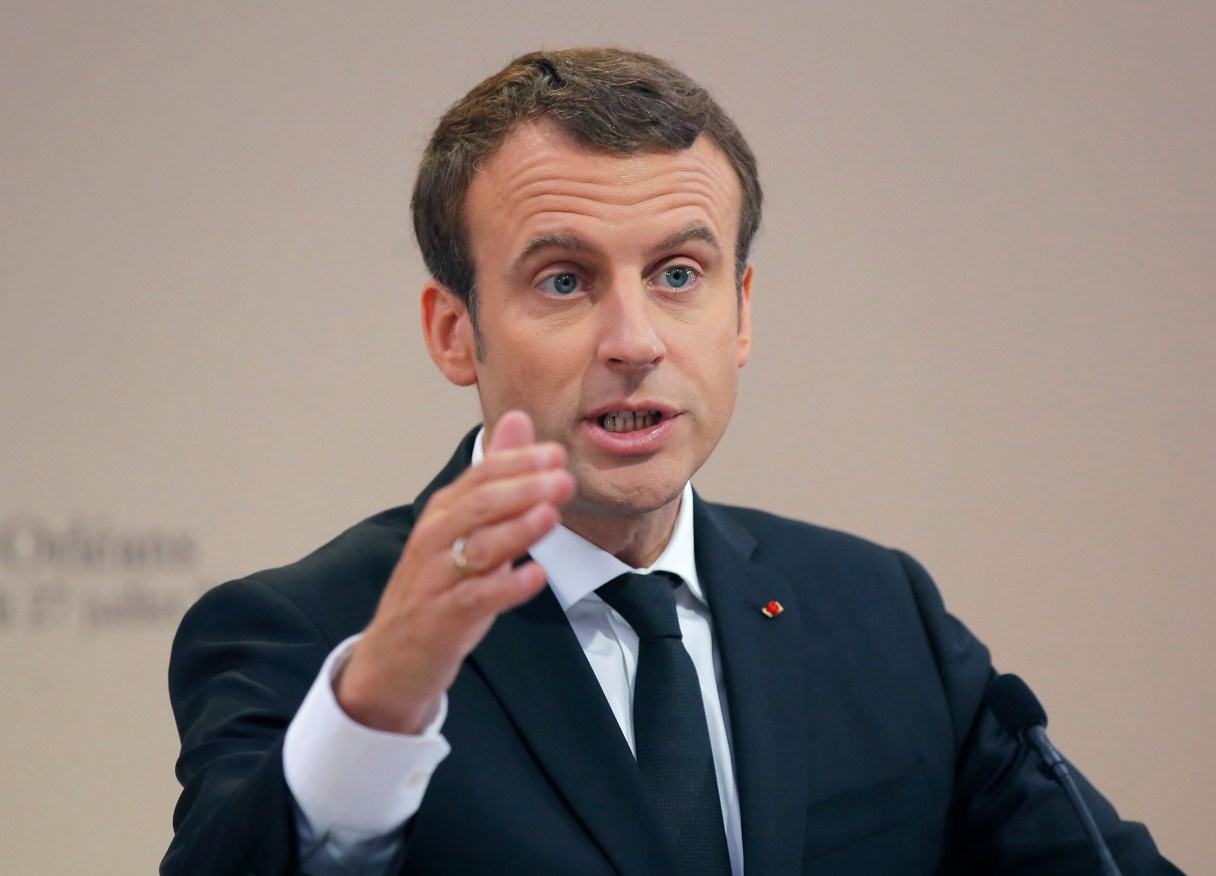
WARSAW, Poland (AP) – French President Emmanuel Macron is pushing for tighter European rules to protect workers in France and other prosperous countries in Western Europe from cheaper labor stemming from the continent’s east.
Macron is set to raise concerns over so-called “posted workers” and “social dumping” with several leaders in Central Europe as he makes his first visit to the region this week, a stance that threatens fresh tensions in a bloc already strained by competing national interests after disputes over migrants and Britain’s vote last year to leave the European Union.
During a three-day tour starting Wednesday, Macron will seek to get agreement on posted workers, those who are temporarily posted by companies in their home country to a second country. While abroad, they continue to pay into the tax and social security systems of their home countries, allowing their employers to hire them for less than in Western countries where welfare costs are higher. The largest number work in construction, but many also work as welders, electricians or caring for the elderly.
Though they don’t account for more than a small fraction of the EU’s total workforce, they are perceived as pricing out local workers in the more prosperous countries of Western Europe, putting downward pressure on wages and exacerbating inequalities in wealth. This concern was one of the factors behind Brexit.
While the posted workers must earn at least the minimum wage of the host country, they often earn less than the wages guaranteed by prevailing collective agreements between unions and firms.