
Photo Gallery
Friday The 13th Fishing
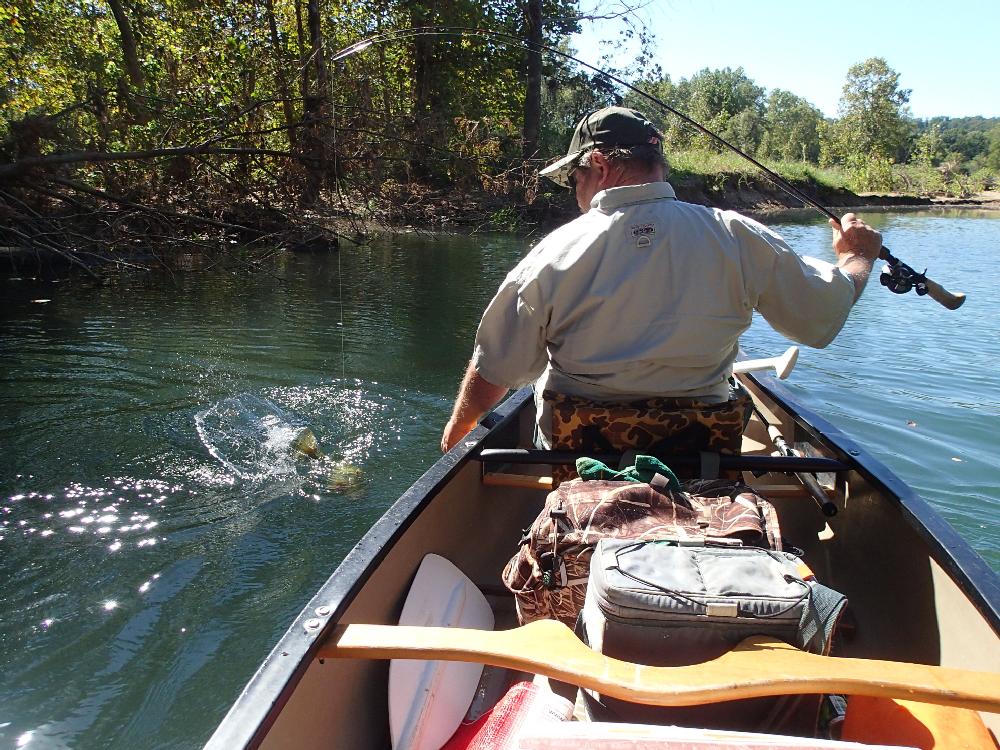
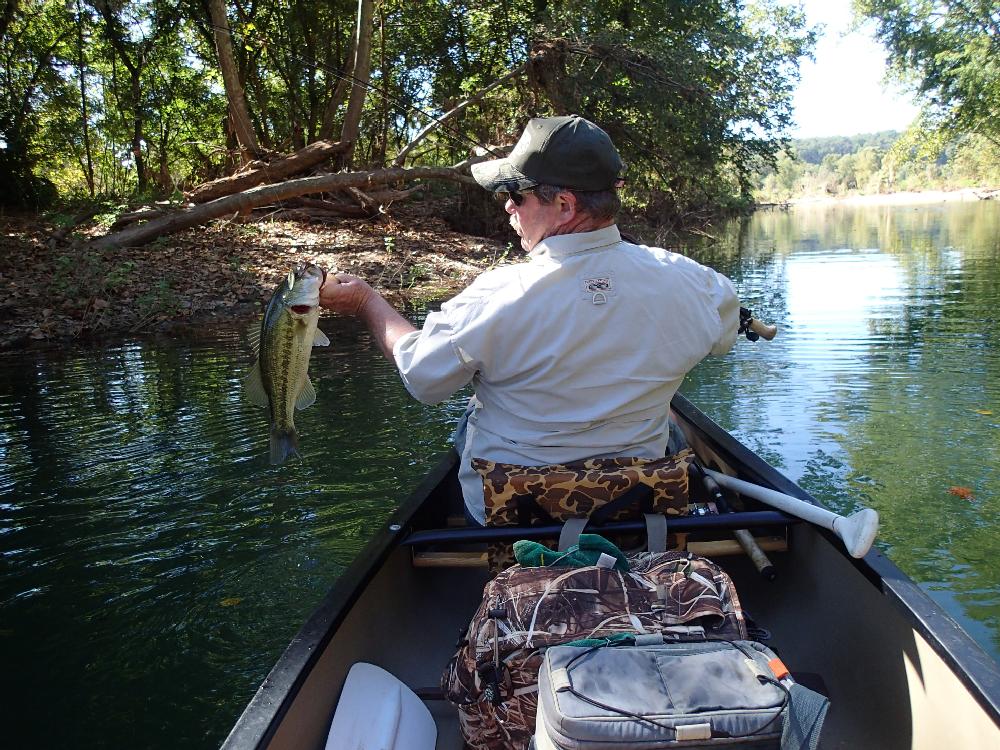
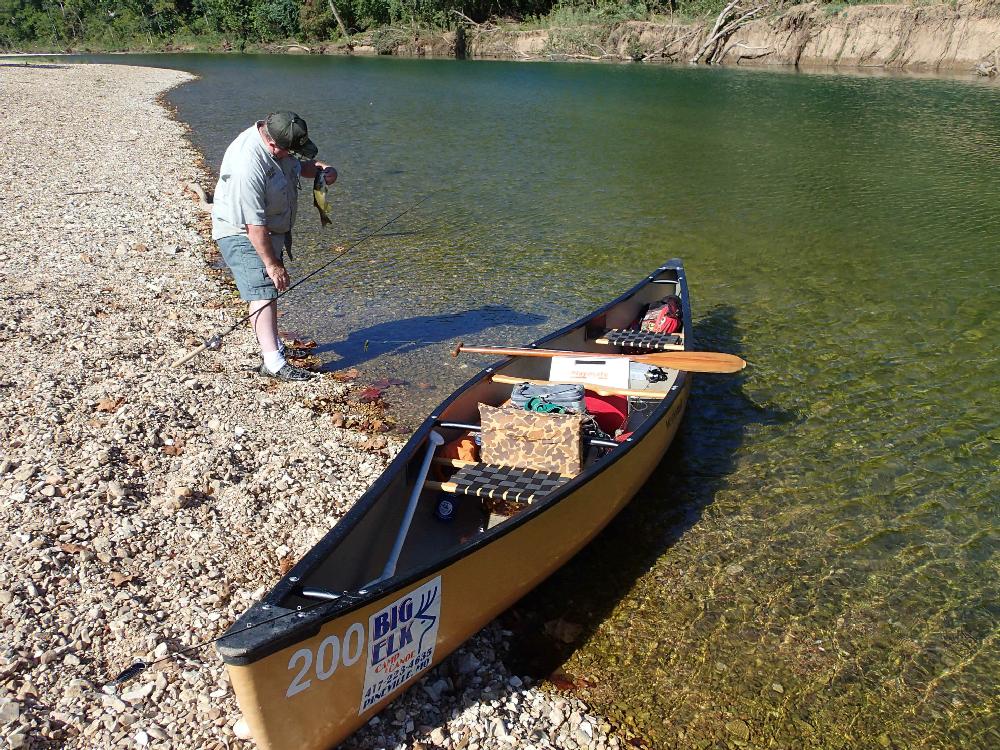
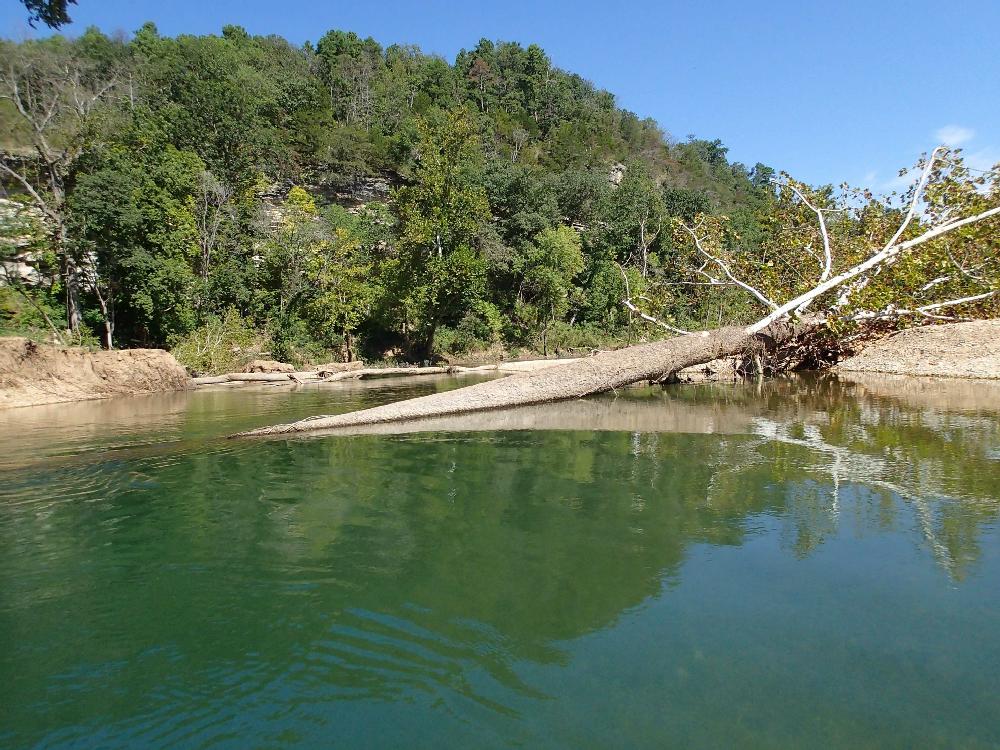
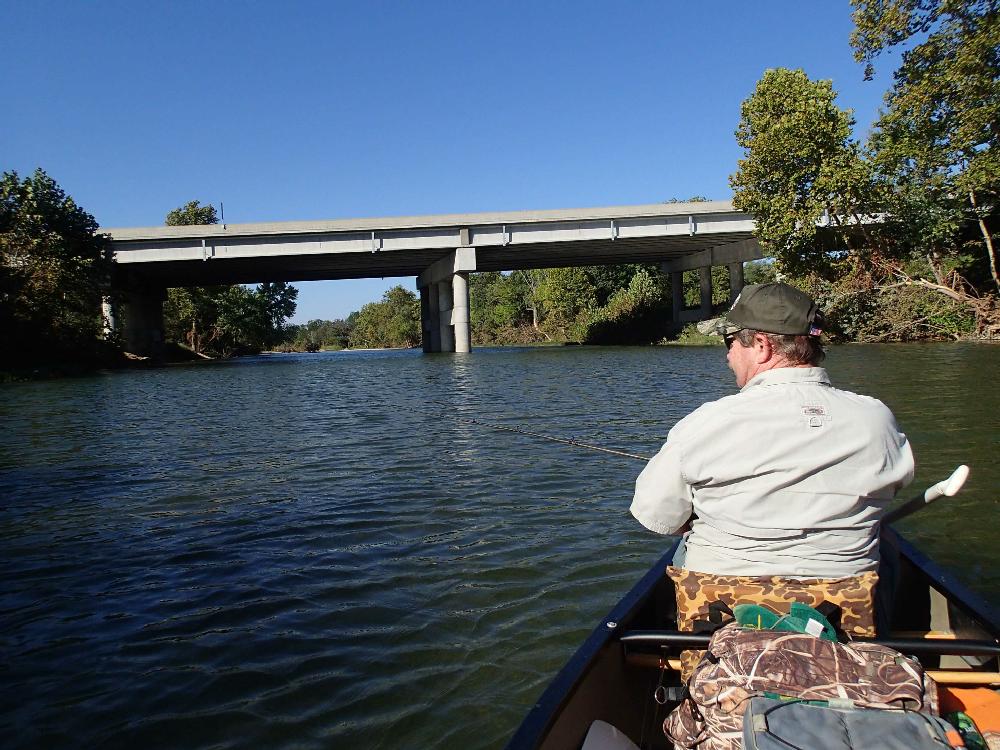
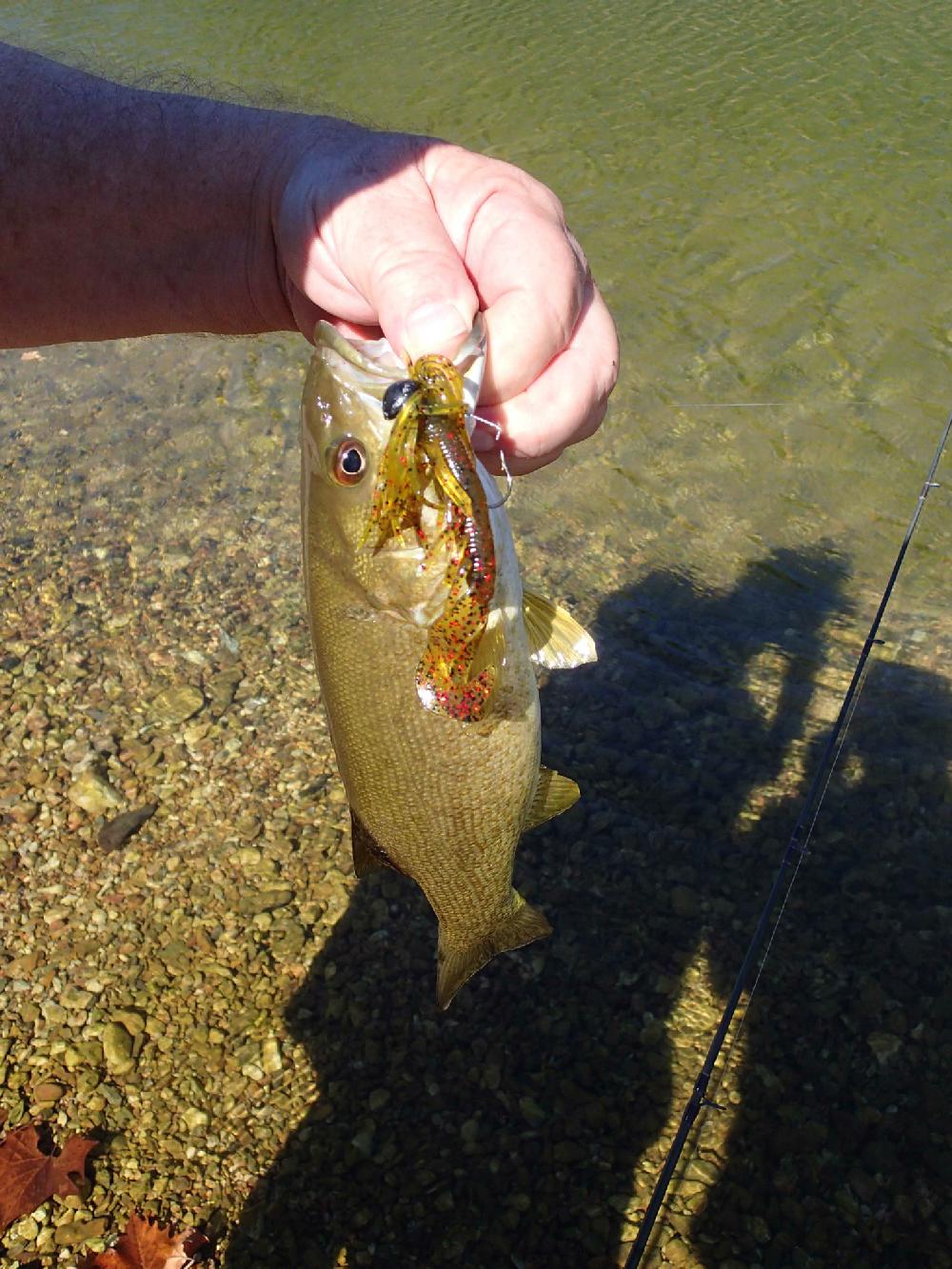
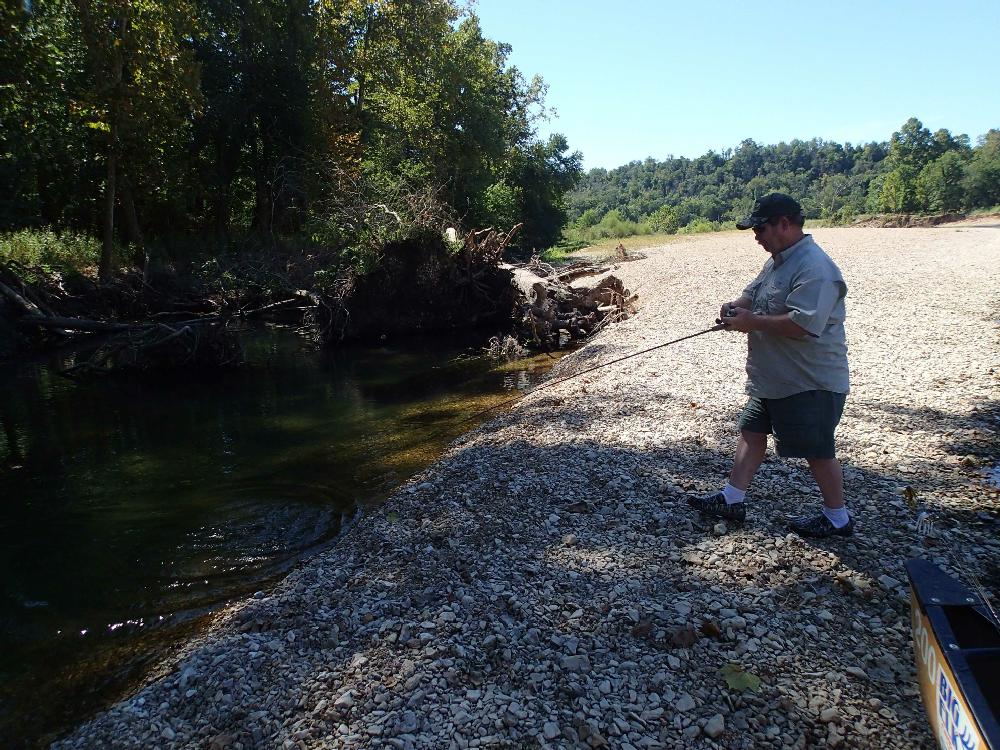
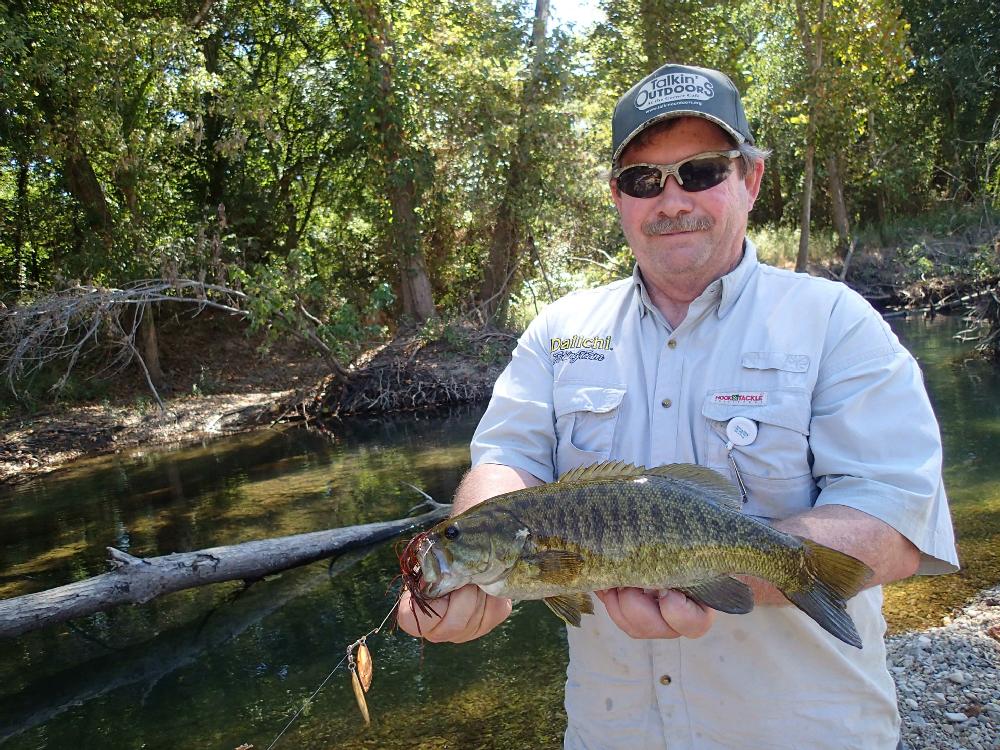
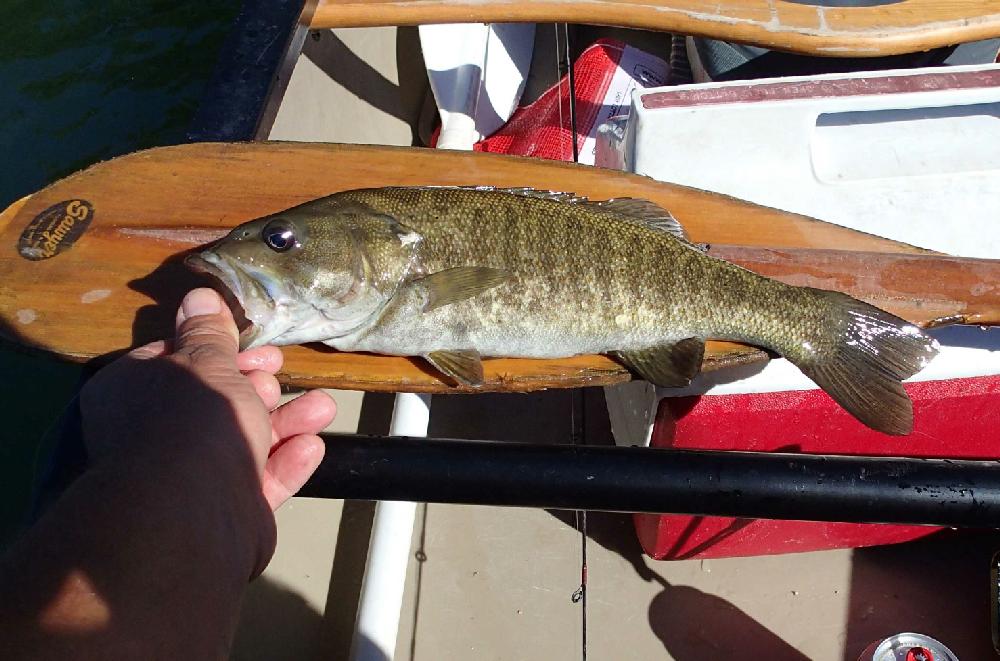
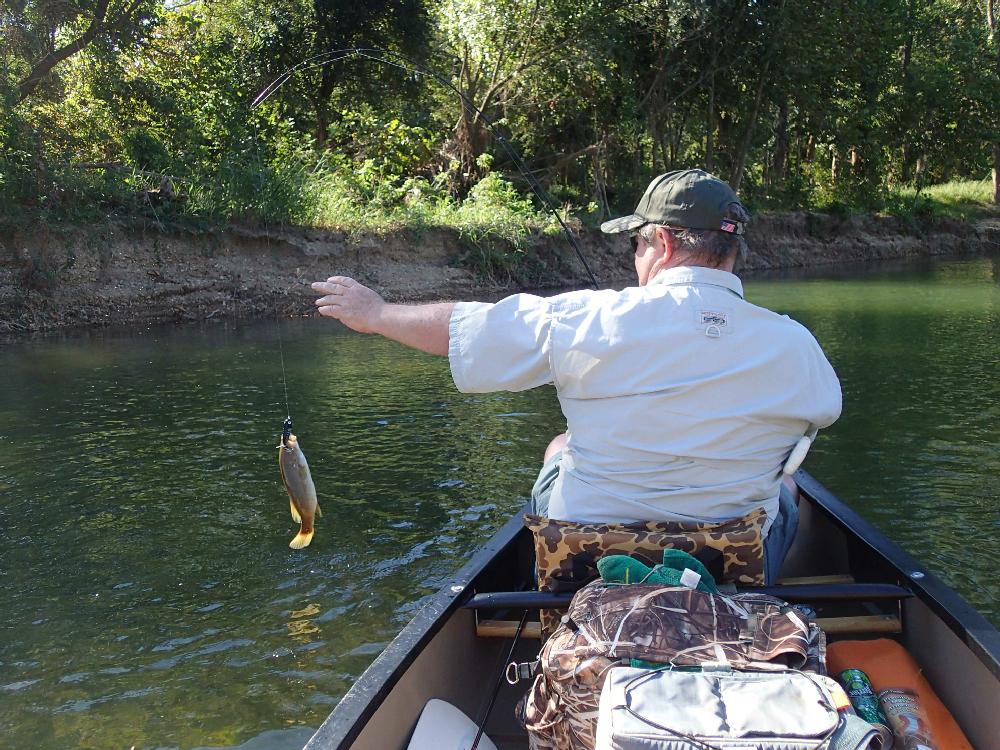
Friday the 13th turned out to be a lucky day on the Elk River for a float-fishing trip along the storied Ozark stream. Ron Duncan of Springdale and outdoors editor Flip Putthoff cast superstition to the wind and enjoyed a stellar day of fishing and canoeing on the beautiful Elk River, near Pineville, Mo. Summer blended into fall on the 5-mile drift that took place Friday, Sept. 13. Staff photos by Flip Putthoff
Also Read
More robots in Chattanooga operating rooms
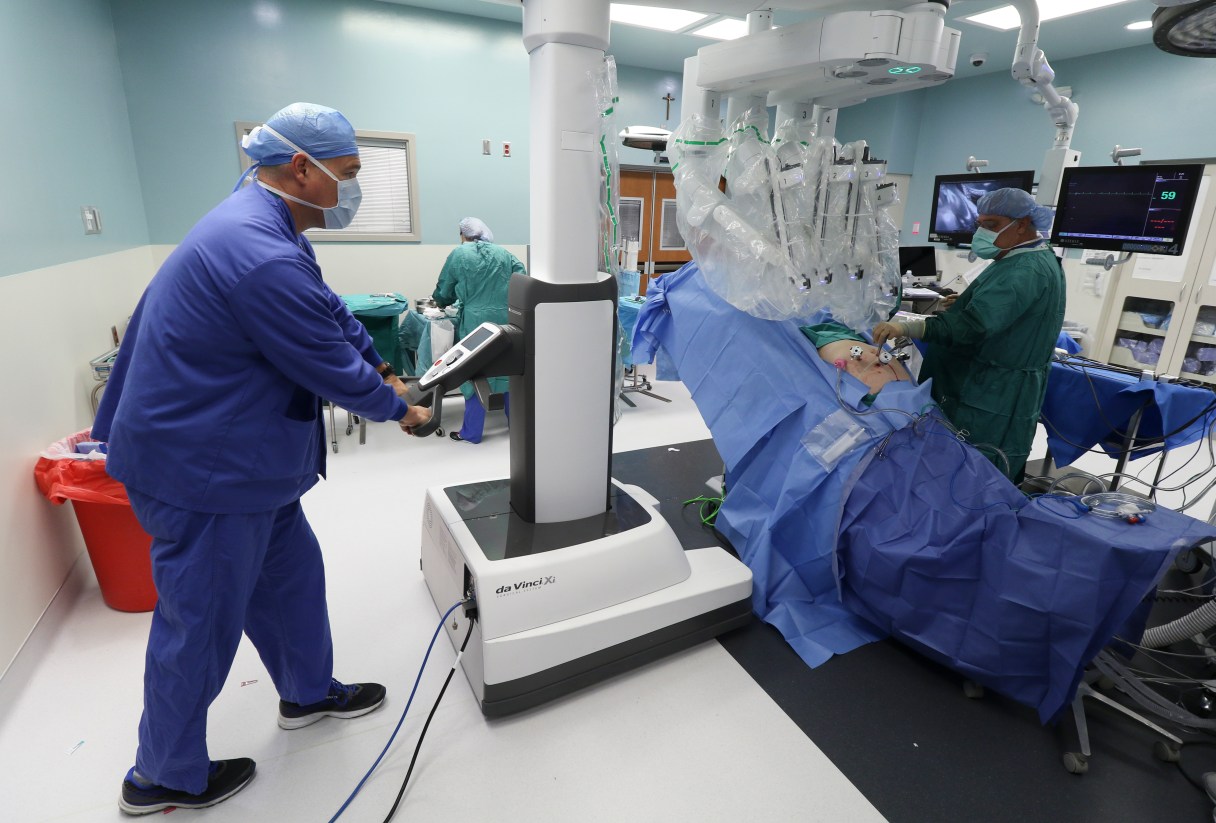
It’s 8:45 a.m. when the patient, a man in his late 60s, is wheeled into the second floor operating room, one of two (out of 31) dedicated to robotic surgery at CHI Memorial Hospital.
The robotic gear includes three separate parts – the controller, where surgeon Dr. Lee Jackson will sit to manipulate the robotic arms; the module that includes the arms itself and the vision system, including a miniature camera and almost a dozen monitors scattered around the room to allow everyone involved in the operation to see what is happening.
The module with four foot-long arms dangling down in front, what the manufacturer calls the “patient side cart,” is off to the side of the room. Before they can be used, metal ports through which the robotic tools will operate must be inserted into the patient’s body.